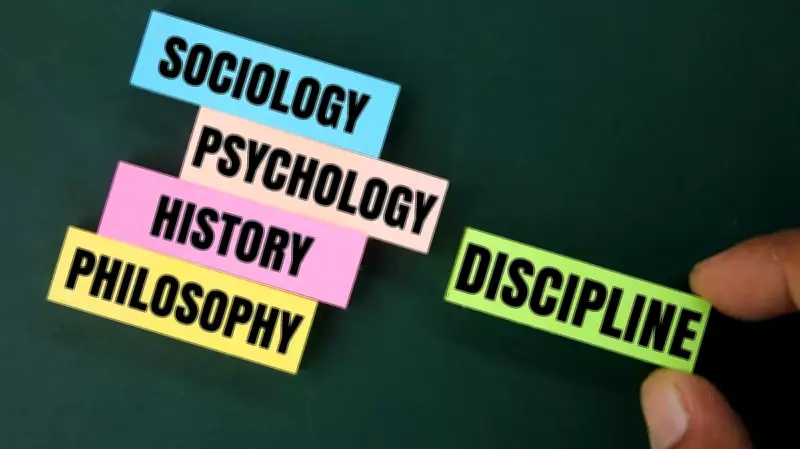
As artificial intelligence (AI) reshapes industries, the value of humanities education is gaining renewed attention. Experts argue that skills traditionally associated with the humanities—critical thinking, problem-solving, creativity, empathy, and communication—are becoming indispensable for a workforce preparing for an AI-driven future.
Why humanities are crucial in the AI era
According to a recent analysis, the skills most valued for a future-ready workforce include not just technical proficiency but also abilities that AI struggles to replicate. These include nuanced decision-making, ethical reasoning, and interpersonal understanding. Upasana Mahanta, in a report published on 30 June 2026, highlights that employers increasingly seek graduates who can complement AI systems with human-centric skills.
The report notes that while AI excels at data processing and pattern recognition, it lacks the contextual awareness and emotional intelligence that humans bring. This makes humanities graduates particularly valuable in roles requiring negotiation, conflict resolution, and creative innovation.

Demand for soft skills rises
Data from multiple industry surveys indicate that over 70% of employers prioritize soft skills like communication and empathy when hiring, often ranking them higher than technical abilities. This trend is accelerating as AI automates routine tasks, freeing humans to focus on complex, interpersonal challenges.
"The humanities teach us to question assumptions, understand diverse perspectives, and articulate ideas clearly—skills that become more, not less, important as machines take over repetitive work," says an education expert quoted in the article.
Educational shifts needed
The article calls for a rebalancing of educational priorities, urging institutions to integrate humanities with STEM (Science, Technology, Engineering, and Mathematics) disciplines. This interdisciplinary approach, often termed STEAM (adding Arts), prepares students to apply technical tools ethically and effectively.
Universities are responding by offering joint degrees and modules that combine AI training with philosophy, sociology, or literature. Such programs aim to produce graduates who can design AI systems that are fair, transparent, and aligned with human values.
Impact on career prospects
Contrary to the perception that humanities lead to limited job opportunities, the article presents evidence that humanities graduates are finding roles in tech companies, consulting firms, and public policy. Their ability to analyze complex social systems and communicate across cultures makes them assets in globalized, AI-augmented workplaces.
In conclusion, the article emphasizes that in the age of AI, humanities are not just relevant but essential. They provide the critical framework to harness AI for societal benefit, ensuring technology serves humanity rather than the other way around.