In cinema, pets are often portrayed as loyal companions and cherished family members, offering comfort and unconditional love. However, the horror genre subverts this comforting image, presenting narratives where these innocent animals morph into terrifying monsters. The transformation is rarely random; it is frequently triggered by human actions—be it scientific experimentation, neglect, grief, or cruelty. These films delve into the unsettling idea that the real horror stems not from external monsters, but from witnessing trusted companions turn into threats, reflecting humanity's own flaws and mistakes back at us.
Primate (2026): A Tale of Affection Turned Violent
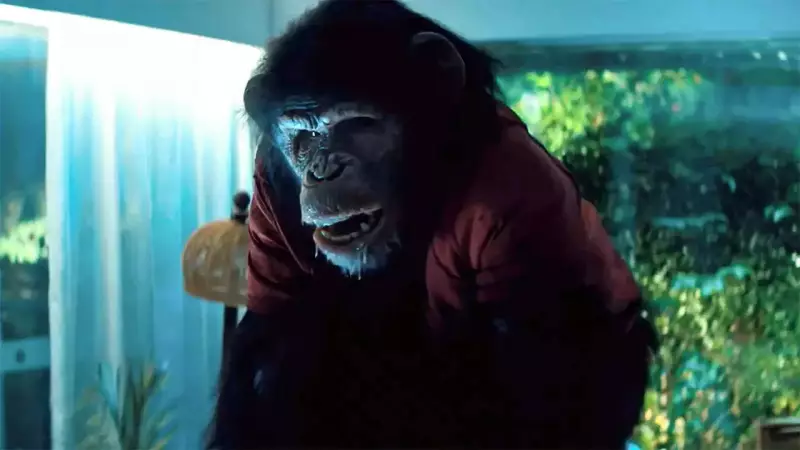
Set in a remote cliffside home in Hawaii, Primate follows Ben, a chimpanzee who is more than just a pet. Communicating through a tablet soundboard—a legacy from Lucy's late linguist mother—Ben embodies a deep bond. This bond shatters when a rabid mongoose bites him, triggering a descent from affection into confusion and violence. A reunion party escalates into a trapped-at-home nightmare as friends are hunted around the pool, house, and cars. Even after Ben's death, his haunting words, "Lucy bad," linger, underscoring the irreversible impact of human-induced trauma.
Director: Johannes Roberts
Runtime: 89 minutes
Cast: Johnny Sequoyah, Jess Alexander, Gia Hunter, Troy Kotsur

Pet Sematary (2019): Grief Unleashes Supernatural Horror
In this chilling adaptation, ER doctor Louis Creed relocates his family to rural Maine, where a hidden burial ground resurrects the dead at a terrible cost. After their cat Church returns altered, tragedy drives Louis to defy repeated warnings and resurrect his daughter. What emerges is a violent, vengeful entity whose corruption spreads contagiously. The film masterfully portrays how grief dismantles boundaries, twisting love into something irrevocably wrong and allowing death to permeate the family itself.
Director: Kevin Kölsch & Dennis Widmyer
Runtime: 101 minutes
Cast: Jason Clarke, Amy Seimetz, John Lithgow, Jeté Laurence
Cujo (1983): The Ravages of Rabies and Desperation
Based on Stephen King's novel, Cujo depicts a gentle St. Bernard bitten by a rabid bat, slowly transforming into a vessel of terrifying violence. Unaware of the infection, a mother and her young son arrive at a rural mechanic's house for car repairs. Trapped in their overheated Pinto with a failing engine, they face a desperate fight for survival as water runs out and help dies at the door. The horror lies not in evil intent, but in the tragic reality of a sick dog, highlighting how human neglect of animal health can lead to catastrophic consequences.
Director: Lewis Teague
Runtime: 93 minutes
Cast: Dee Wallace, Daniel Hugh Kelly, Danny Pintauro
Man’s Best Friend (1993): Genetic Experimentation Gone Awry
Animal activist Lori Tanner breaks into the EMAX lab to rescue Max, a Tibetan Mastiff genetically spliced with predator traits and kept docile by drugs. At home, Max is devoted to Lori but turns violent in her absence, leaving a trail of dead pets and people. When Lori abandons him, abuse scars Max and snaps his restraint. As police hunt him, the lab's owner kidnaps Lori to lure Max back. In a poignant twist, Max softens only to be shot, leaving behind altered puppies—a stark reminder of the lasting impact of human tampering with nature.
Director: John Lafia
Runtime: 87 minutes
Cast: Ally Sheedy, Lance Henriksen, Robert Costanzo
White God (2014): A Canine Uprising Against Human Cruelty
Thirteen-year-old Lili clings to her mixed-breed dog, Hagen, until a harsh mongrel tax forces her father to abandon him. Alone on Budapest's streets, Hagen endures hunting, betrayal, sale into dogfighting, brutalization, and caging. His escape sparks a furious canine uprising against those who harmed him. The chaos culminates at Lili's concert hall, where she steps outside and plays Liszt on her trumpet, calming Hagen and the entire pack into silence. This film powerfully critiques human cruelty and neglect, showing how it can ignite rebellion in the oppressed.

Director: Kornél Mundruczó
Runtime: 121 minutes
Cast: Zsófia Psotta, Sándor Zsótér, Luke
The Deeper Message: Humanity's Reflection in Animal Horror
These five films collectively explore a profound theme: when pets turn monstrous, they often mirror humanity's worst choices. Whether through scientific hubris, emotional neglect, or systemic cruelty, human actions set the stage for horror. The fear evoked is not merely about animal aggression but about the unraveling of trust and the consequences of our own failings. By examining these narratives, viewers are invited to reflect on how our treatment of animals can lead to terrifying outcomes, making these stories both entertaining and thought-provoking.