AI Watermark in Vijay's Jana Nayagan Trailer Sparks Industry-Wide Debate
On January 3, the trailer for Vijay's highly anticipated film Jana Nayagan was released, generating immense excitement among fans, particularly as it marks the actor's final project before his political transition. However, keen-eyed viewers quickly noticed an anomaly at the 23-second mark: a watermark for Google Gemini, an AI tool, appeared in the lower right corner during a shot of Vijay holding a rifle. Although the watermark has since been removed, its presence has ignited discussions about the use of artificial intelligence in Indian filmmaking, especially since the film is currently embroiled in censorship issues. This incident underscores the rapid integration of AI into the industry over recent years, raising questions about its applications and implications.
Divergent Views on AI's Role in Filmmaking
The emergence of AI in cinema has elicited a wide range of opinions. Some view it as a cutting-edge tool that can streamline production, reduce costs, and unlock new creative possibilities, while others fear it may stifle artistic expression, diminish human creativity, and lead to job displacement. There are concerns that AI could replace traditional roles, such as those of 300 crew members with just 30 individuals working on computers, though proponents argue that these new roles still involve artistic guidance. The debate often centers on whether AI-generated content can be considered art, with some asserting that true art requires human emotion and imagination, while others believe that if a work moves audiences, its origin is irrelevant. This polarization highlights the complexity of AI's impact on storytelling and the film industry as a whole.
AI's Growing Footprint in Indian Film Production
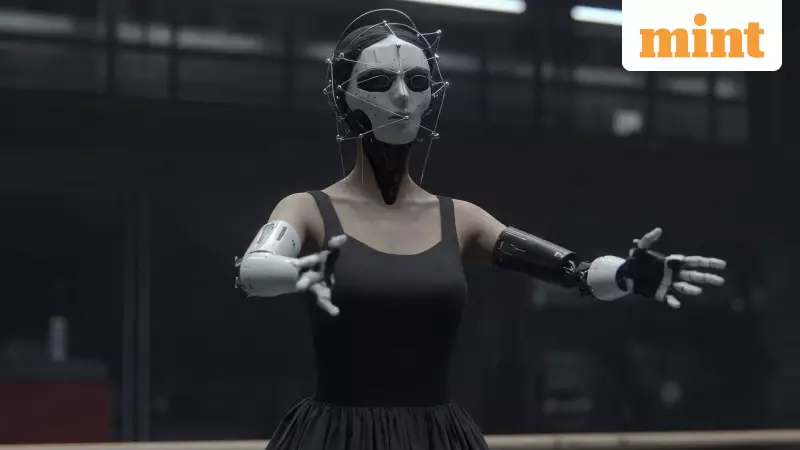
Conversations with filmmakers, writers, and producers reveal that AI is already reshaping various aspects of filmmaking, from screenwriting and casting to shooting and post-production. The pace of adoption is accelerating, with new AI-related announcements emerging weekly. For instance, Ajay Devgn recently unveiled Bal Tanhaji, an AI-powered prequel to his 2020 film, while multiple projects compete for the title of "India's first AI film." Examples include Vivek Anchalia's Naisha, marketed as India's first AI-powered Bollywood film, and S. Narasimhamurthy's Kannada feature Love You, touted as the world's first AI Kannada movie. Additionally, Chiranjeevi Hanuman—The Eternal is set for release this year as India's first AI-generated Hindi feature film, part of the "Historyverse" slate that includes several AI projects.

AI in Screenwriting: ChatGPT's Role and Controversies
In the realm of screenwriting, ChatGPT has become a common tool, though it is often criticized for producing generic content. Writers report using it for research, generating visual aids, and refining scripts, as it can provide quick feedback on plot holes and character development. Screenwriter Sulagna Chatterjee notes that while AI can offer valuable structural insights, its dialogue suggestions often lack human nuance. However, the reliance on AI is growing due to tight deadlines and pressure from producers, some of whom use AI to generate plot outlines or assess pitches. This shift has led to concerns about devaluing screenwriters, with reports of many leaving the industry amid economic challenges and technological changes. Writers express mixed feelings, using AI out of necessity but feeling a sense of shame, as it becomes normalized among younger professionals.

Post-Production and Visual Effects: AI's Transformative Impact
AI is making significant strides in post-production, where it is used for tasks such as de-aging actors, enhancing visual effects, and improving efficiency. For example, cinematographer Ravi Varman discussed using AI in Indian 2 to complete scenes with unavailable actors and de-age Kamal Haasan. Similarly, directors like Lokesh Kanagaraj and Guhan Senniappan have employed AI for voice and visual modifications in films such as Coolie and Weapon. AI tools are also reducing the time and cost of processes like color correction, dubbing, and trailer music production. While streaming platforms initially resisted AI in live-action films, they are now reconsidering policies, especially for non-human interaction scenes, reflecting the technology's expanding role.
Ethical Concerns and the Future of AI in Cinema
The ethical dimensions of AI in filmmaking are increasingly contentious. Issues include the potential for deepfakes, the unauthorized use of AI to alter films (as seen with the re-release of Raanjhanaa), and the broader implications for creativity and employment. Vijay Subramaniam of Collective Artists Network defends AI projects, arguing that they involve full artistic teams and offer cost savings, making epic stories more accessible. However, critics like Anurag Kashyap voice concerns about AI undermining human creators. As AI technology advances, there are fears about its impact on non-fiction content and historical accuracy, given India's trend of presenting distorted narratives. Despite these challenges, some industry figures, such as editor Nitin Baid, believe that AI's potential is still unfolding and that audiences will prioritize storytelling quality over technological origins.
Conclusion: Navigating the AI Revolution in Indian Film
The integration of AI into Indian cinema is undeniable, from the Jana Nayagan trailer incident to the proliferation of AI-generated films. While it offers opportunities for innovation and efficiency, it also poses risks to artistic integrity and ethical standards. The industry must balance embracing AI's benefits with safeguarding human creativity and addressing ethical minefields. As Karan Johar optimistically noted, human artistry will endure, but the ongoing debate underscores the need for thoughtful regulation and dialogue to ensure that AI enhances rather than diminishes the magic of cinema.