Akshay Kumar's Unconventional Take on Paparazzi Culture
In the glittering world of Bollywood, where fame often comes with intense public scrutiny, Akshay Kumar has offered a refreshingly pragmatic view on the often-controversial relationship between celebrities and paparazzi. While many stars decry the invasive nature of constant photography, Kumar presents a different perspective that highlights the symbiotic nature of this dynamic.
The Airport Encounter: A Matter of Livelihood
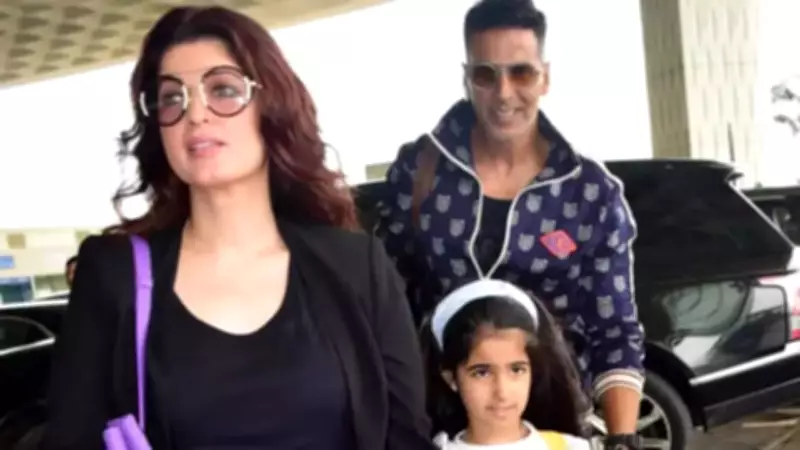
During a candid conversation at the India Today Conclave with journalist Rajdeep Sardesai, Kumar addressed the common scenario of being photographed at airports with his wife Twinkle Khanna and their children, Aarav and Nitara. Rather than expressing frustration, the actor revealed an empathetic stance toward photographers.
"When I disembark at the airport, sometimes my wife is with me or my children are present," Kumar explained in Hindi. "If a photographer wants to take my picture, or a picture with my wife, they receive approximately 3,500 to 4,000 rupees for that single photograph. If they're earning money from it, why should I have a problem simply posing for them? That money helps run their household and makes them happy."

Privacy Concerns: A Different Definition
When pressed further about potential privacy invasion during family outings, Kumar offered a straightforward response that challenges conventional celebrity complaints. "What privacy are you referring to when you step outside with your family instead of staying at home?" he questioned, suggesting that public spaces inherently involve some degree of visibility for public figures.
This perspective stands in stark contrast to the more common celebrity narrative that portrays paparazzi as intrusive forces violating personal boundaries. Kumar's approach acknowledges the reality of his public profession while maintaining a practical outlook on public appearances.
The Real Professional Hazard: Being Ignored
Perhaps most revealing was Kumar's response when asked if he considers paparazzi attention a professional hazard. "It's not a hazard," he asserted. "If they don't take photos, then that's a problem. As an actor, if someone doesn't recognize you, that's a problem."
This statement underscores a fundamental truth about celebrity culture: visibility equals relevance. For performers whose careers depend on public recognition, being photographed represents continued public interest rather than intrusion.
Contrasting Perspectives in Bollywood
Kumar's views differ significantly from those expressed by veteran actress Jaya Bachchan, who has been vocal about her distinction between legitimate media and paparazzi. In a previous interview with journalist Barkha Dutt, Bachchan stated: "My relationship with the media is fantastic—I am the product of media—but my relationship with paparazzi is zero. Who are these people? Are they trained to be representatives of this country?"
Bachchan, whose father was a journalist, expressed particular concern about the informal nature of modern paparazzi culture: "They think because they have a mobile phone they can take your picture and say what they want, making whatever comments they please."
These contrasting viewpoints highlight the spectrum of attitudes within the Indian film industry toward the evolving media landscape, where traditional journalism intersects with celebrity-driven content creation.
The Bigger Picture: Celebrity Culture in Transition
Kumar's comments reflect a broader shift in how celebrities navigate their public and private lives in an era of ubiquitous smartphone cameras and instant social media sharing. His pragmatic approach suggests an acceptance of certain realities that come with stardom, while simultaneously recognizing the economic realities of those who document celebrity lives.
This perspective doesn't dismiss legitimate concerns about harassment or dangerous situations that some celebrities face, but rather offers a nuanced take on routine public encounters. It acknowledges that for public figures, some degree of visibility comes with the territory, and that this visibility serves both the celebrity's career and the livelihoods of those documenting it.

As Bollywood continues to evolve in its relationship with media and fans, Kumar's comments provide valuable insight into how one of India's most successful actors balances the demands of fame with practical realities, offering a perspective that prioritizes empathy and professional pragmatism over blanket condemnation of paparazzi culture.