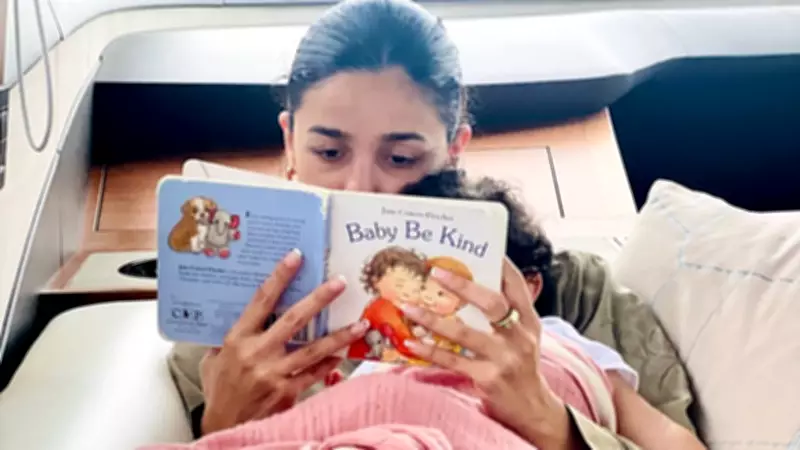
Alia Bhatt's Motherhood Transformation: From Front Seat to Back Seat
Bollywood actress Alia Bhatt has undergone a significant transformation in her approach to safety and parenting since embracing motherhood four years ago. The celebrated actor recently opened up about how becoming a mother has fundamentally changed her perspective on road safety and personal responsibility.
The Front Seat Shift: A Conscious Safety Decision
In a revealing interview with CNBC, Alia Bhatt explained her deliberate choice to stop sitting in the front seat of vehicles. "I have to be safe and secure for my child, if not for myself. From there, my whole brain changed. Now I don't sit at the front," she shared. This decision stems from her heightened awareness about road safety, particularly in urban environments where traffic conditions can be challenging.
The actress noted that many people don't wear seatbelts in the back seat simply because it doesn't occur to them, while front seat passengers often do so only because of warning beeps. Her observations extend beyond personal habits to broader road safety concerns. "When I'm watching others drive on the road, often carrying 4 people on a scooter, I understand they have no choice; they have to travel. But what's important is to develop that empathy for the person driving next to you and others on the road to be safe and sound," Alia emphasized.

Parenting Anxiety: Finding the Right Balance
Psychologist Muskan Marwah from Mpower, Aditya Birla Education Trust, reflected on Alia Bhatt's statements, noting that parental anxiety is common but requires careful management. "One of the most challenging tasks parents face is finding the right balance between being strict and overbearing. While boundaries are necessary for development, overstepping those boundaries can have unintended consequences," Marwah explained.
The psychologist highlighted how parents can enforce rules effectively without becoming overbearing:
- Establish clear rules, expectations, and consistent consequences
- Provide structure and routine that gives children security
- Explain the reasoning behind rules and offer positive reinforcement
- Support children's growing independence, especially during adolescence
"Always remember that overbearing parenting can emotionally drive children away," Marwah cautioned. "Adolescents, in particular, need to assert their independence, and constant control can prevent this growth. As a result, children may rebel, withdraw, or develop strained relationships with their parents."
Managing Maternal Anxiety: Expert Recommendations
Clinical psychologist Kamna Chhibber offered practical strategies for mothers navigating parenting anxiety:
- Challenge negative beliefs by focusing on positive aspects and balancing thoughts
- Prepare for contingencies while reminding yourself of your ongoing presence
- Establish consistent routines with your child and maintain them as much as possible
- Recognize that children can understand explanations and situations
- Be gentle with yourself and allow space for occasional mistakes
"You are probably doing a lot during the course of the day, so don't take away from that," Chhibber advised, emphasizing self-compassion in the parenting journey.
The Broader Impact of Celebrity Parenting Insights
Alia Bhatt's candid discussion about her parenting evolution highlights how celebrity experiences can spark important conversations about safety, anxiety, and balanced parenting. Her shift from front seat to back seat represents more than just a physical change—it symbolizes a deeper transformation in priorities and perspective that many parents experience.
The combination of personal experience and professional psychological insight creates a comprehensive view of modern parenting challenges, offering both relatability and practical guidance for families navigating similar concerns about safety, independence, and emotional connection.