Anubhav Sinha Weighs In on Bollywood's Actor Work Hours Debate
Amid the ongoing industry discussion surrounding actors demanding fixed 8-9 hour shifts, acclaimed filmmaker Anubhav Sinha has offered a measured and practical perspective during a recent conversation. When directly questioned about whether he would sign an actor insisting on working only eight or nine hours daily, Sinha provided a straightforward response that cuts through the controversy.
'Actors Are Wired Differently'
"Actors are different people. Good actors are different personalities — and that's perfectly fine," Sinha explained to interviewer Shubhankar Mishra. "Acting is perhaps the toughest art form in the history of art. Every other art form deals with some kind of hardware. Even in singing, you use your voice physically. Acting is the only art form that doesn't rely on a physical instrument in that specific sense. Therefore, actors are fundamentally wired differently."
He added with characteristic bluntness: "If an actor wants to work six hours a day and you're not comfortable with that arrangement, then simply don't work with that particular actor. It's as simple and direct as that."

Recalling Rishi Kapoor's 'No Night Shoots' Condition During Mulk
Sinha illustrated his point by recalling his experience working with the legendary late actor Rishi Kapoor during the filming of Mulk. He revealed how conditions on film sets are typically matters of professional negotiation rather than confrontation.
"Yes, Chintu ji told me after reading the script of Mulk that he didn't want to participate in night shoots," Sinha recounted. "I responded, 'But Chintu ji, night scenes are crucial for this narrative.' So we entered into negotiations. He proposed he would do four night shoots. I agreed to those terms."
However, filmmaking rarely adheres strictly to initial plans. "Later during the actual shoot, I informed him, 'Sir, it has unfortunately become five nights.' He questioned, 'What happened?' But we managed to work through it together," Sinha shared.
The filmmaker made it unequivocally clear there was no bitterness in their collaboration. "I desperately wanted Rishi Kapoor in that film, and I had absolutely no problem making adjustments. I had a truly wonderful experience working with him. He also thoroughly enjoyed the process."
He fondly remembered meeting Kapoor after his medical treatment in New York at Amitabh Bachchan's Diwali celebration. "He even suggested we shoot one additional scene for Thappad with Taapsee Pannu, proposing he would quietly walk in from behind. That was my final meeting with him. I discovered a genuine friend in him — just because he preferred not to shoot nights doesn't automatically make him a difficult person."
Then, with his trademark candor, Sinha added: "And incidentally, I personally don't enjoy shooting nights either. Am I not permitted that personal preference?"
Addressing the Deepika Padukone Debate: 'Why Create Unnecessary Controversy?'
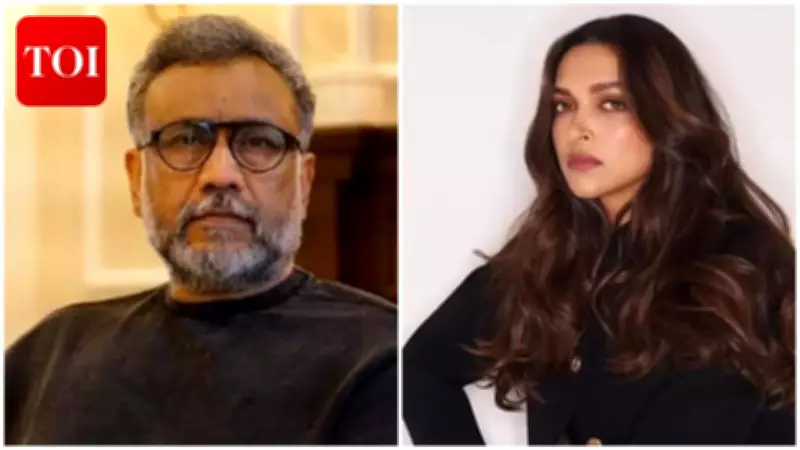
Sinha also addressed the broader conversation surrounding actors' working hours, particularly in the wake of discussions about Deepika Padukone opting out of certain projects due to scheduling demands.
"I don't engage with or believe in gossip. I've never actually worked with Deepika Padukone, having barely met her once at a social gathering years ago," he stated. "But I inquired with people who have collaborated with her professionally, and they consistently described her as a delightful actress to work alongside."
He questioned the necessity of transforming professional disagreements into public spectacles. "If any actor's demands appear unreasonable to you, then simply don't work with them. Why deliberately create controversy? Every household experiences disagreements, but you don't escalate to the terrace and shout about them publicly."

Calling the entire debate significantly overblown, he continued: "I believe it's fundamentally unfair how this situation has been exaggerated. If you don't wish to work with a particular actor, then professionally fire them. Actors and directors have been dismissed before — it happens regularly in this industry. These matters should remain strictly between the concerned individuals."
He further underlined the practical realities facing film professionals. "People can legitimately have specific working conditions. An actor stands directly in front of the camera. They must look presentable on a massive 50–60 foot screen. If there are visible eye bags, they appear enormous. So yes, working hours genuinely matter. These issues can easily be resolved through private discussions."
'No Need to Turn Everything Into a Public Spectacle'
When questioned about controversies escalating rapidly on social media platforms, Sinha remained firm in his position.
"That escalation is completely unnecessary. If you don't want to work with someone, then don't. Why make public statements? These topics can and should be avoided. There's absolutely no need to transform everything into a public spectacle," he concluded emphatically.
The filmmaker's pragmatic approach highlights how professional boundaries and personal requirements can coexist in Bollywood when handled with mutual respect and private negotiation, rather than public confrontation.