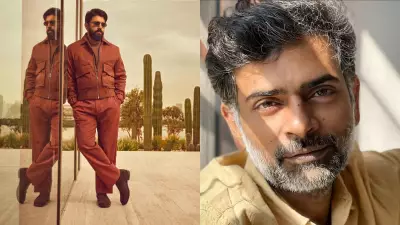
Anurag Basu Reflects on Arijit Singh's Retirement: A Natural Progression, Not a Shock
In the wake of Arijit Singh's surprising retirement announcement that has sent ripples through Bollywood, director Anurag Basu has come forward with a unique perspective, suggesting that the move was not entirely unexpected. Having worked closely with the acclaimed playback singer on multiple film projects, Basu provides an insider's view into Singh's evolving career aspirations.
Basu's Calm Response to Industry Shock
While many in the entertainment industry expressed shock at Arijit Singh's decision to step away from playback singing, Anurag Basu maintains a remarkably calm stance. The director emphasizes that the signs of this transition were visible long before the official announcement, pointing to Singh's growing fascination with the broader aspects of filmmaking beyond just vocal performances.
Arijit Singh's Expanding Creative Horizons
According to Basu, what might appear as a sudden departure is actually a natural progression in Singh's artistic journey. The singer had been demonstrating increasing interest in cinema's technical and storytelling dimensions, suggesting his ambitions extended well beyond the recording booth. This shift toward independent music and greater creative control represents Singh's pursuit of artistic fulfillment rather than a complete withdrawal from entertainment.

The Evolution from Playback to Creative Freedom
Basu's observations highlight an important trend in Bollywood where artists seek more comprehensive creative expression. Arijit Singh's move reflects a broader desire among musicians to explore storytelling through multiple mediums, not just through playback singing. This transition, while surprising to the industry at large, aligns with Singh's long-term vision for his career.
What This Means for Bollywood's Music Landscape
The retirement of such a prominent playback singer inevitably raises questions about the future of Bollywood music. However, Basu's perspective suggests this might represent an evolution rather than a loss. Singh's journey could inspire other artists to pursue their creative passions more holistically, potentially leading to more diverse and innovative contributions to Indian cinema.
As Bollywood continues to process this significant development, Anurag Basu's insights provide valuable context for understanding Arijit Singh's decision as a calculated career move rather than an abrupt departure from the industry he has so profoundly influenced.