Anurag Kashyap Voices Concerns Over Censorship and Changing Cinema Landscape
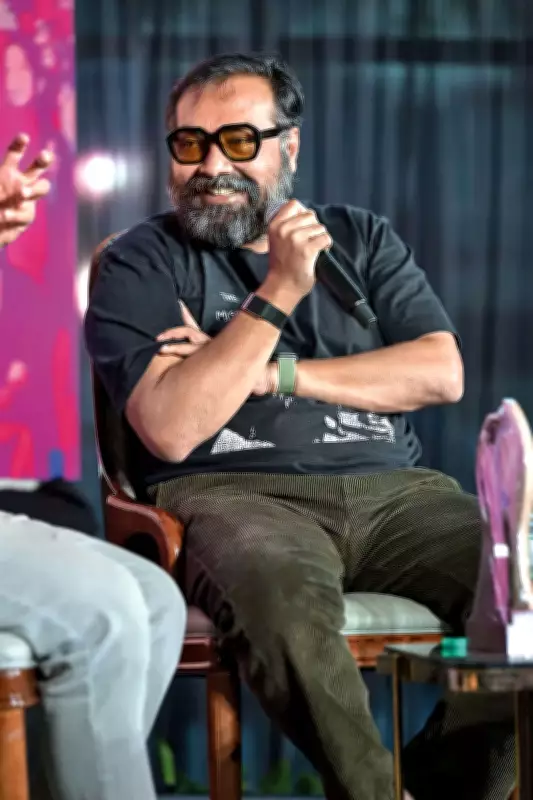
Renowned filmmaker and actor Anurag Kashyap has openly shared his apprehensions about the current cinematic environment in India, highlighting fears that bold storytelling may be stifled. Speaking at the 17th Bengaluru International Film Festival (BIFFES) 2026 during a session titled Fearless Filmmaking, Kashyap delivered candid insights that resonate with many in the industry.
Fear of Censorship Hindering Creative Expression
Kashyap revealed that his greatest worry today is the inability to produce cinema that aligns with his artistic vision due to increasing censorship pressures. He pointed to his own works, such as Gangs of Wasseypur and Mukkabaaz, as examples of films that might not see the light of day in the present climate. "Gangs of Wasseypur or Mukkabaaz would not have been made today because of the themes I chose to tell those stories with," he stated emphatically. "And even if they were released, they would be heavily censored," he added, underscoring the challenges faced by filmmakers tackling sensitive subjects.
Despite these hurdles, Kashyap remains hopeful, noting that India still offers more freedom compared to some other countries. "India is still better, and that gives me hope. If filmmakers can make cinema in Russia and China, we can too," he remarked during his conversation with critic and writer Baradwaj Rangan. He expressed confidence that movies sparking important conversations will eventually be made in India, urging patience within the creative community. "Movies that spark important conversations will be made in India at some point. We just need to wait," he affirmed.

OTT Platforms Altering the Cinema Experience
Kashyap also voiced strong opinions on the impact of Over-The-Top (OTT) platforms on the traditional cinema experience. He emphasized that cinema has always been intended for the big screen, a sentiment rooted in his own filmmaking journey. "When I made Nishaanchi, I envisioned it entirely for the big screen. But times have changed. People now watch films at their convenience," he observed, lamenting the shift in viewing habits.
He criticized the convenience-driven consumption of films on smaller devices, arguing that it detracts from the essence of cinematic art. "The format has destroyed the way cinema is experienced," Kashyap declared, stressing the irreplaceable joy of theatrical viewing. He illustrated this point by referencing iconic films like Mera Naam Joker and Sholay, stating, "You can’t watch Mera Naam Joker or Sholay on a phone. These films are made for the theatre, and it’s a disgrace if they’re watched otherwise." This perspective highlights his commitment to preserving the immersive nature of cinema.
Social Media Amplifying Backlash Unfairly
In addition to censorship and OTT concerns, Kashyap addressed the recent controversy surrounding the trailer of the upcoming Kannada film Toxic. He shared that he enjoyed the trailer and felt the negative reaction on social media was disproportionate. "When a woman is in control of her sexuality and enjoys it on screen, it becomes a problem. But when male actors do the same, no one says anything," he commented, pointing out a double standard in public perception.
He attributed the exaggerated backlash to the controlled narratives prevalent on social media platforms. "Social media controls the narrative, and this was blown out of proportion," Kashyap explained, suggesting that online discourse often distorts genuine artistic expression. This remark underscores the broader challenges filmmakers face in navigating public opinion in the digital age.
Overall, Anurag Kashyap's remarks at BIFFES 2026 shed light on critical issues shaping Indian cinema today, from creative freedom and censorship to evolving viewing habits and media dynamics.