AR Rahman Credits Islamic Teachings for Inspiration Behind Patriotic Anthem 'Maa Tujhe Salaam'
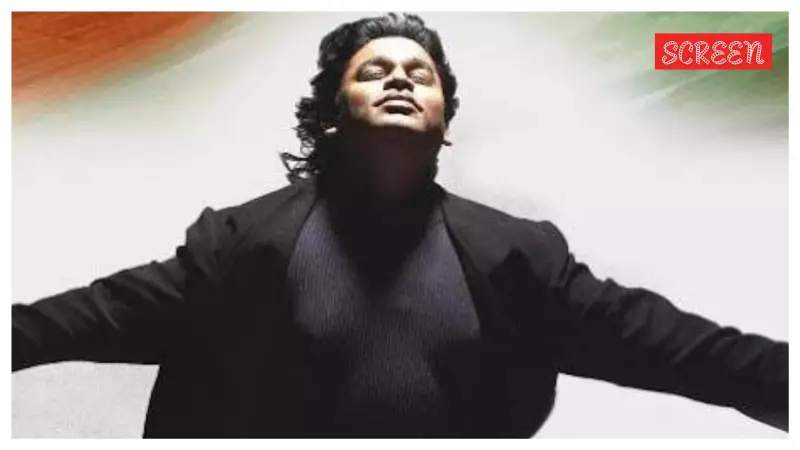
In a recent revelation that has reignited discussions about faith and nationalism, Oscar-winning music maestro AR Rahman has reiterated the profound Islamic inspiration behind his iconic patriotic composition 'Maa Tujhe Salaam'. The composer, known for his groundbreaking work in Indian cinema, first shared this insight back in 1997 when he released the album Vande Mataram to commemorate 50 years of India's Independence.
The Original Revelation from 1997
During an appearance on veteran actor Farida Jalal's podcast Yaadein BTown Ki on Shemaroo in 1997, Rahman explained the spiritual foundation of his creative process. 'Even in Islam, it says being patriotic to your country is half of it', the composer stated, highlighting how religious teachings directly influenced his artistic vision. He collaborated with director-producer Bharat Bala on the project, which aimed to create music that would resonate across generations and communities.
Rahman elaborated on the song's evolution, noting that when lyricist Mehboob Kotwal presented 'Maa Tujhe Salaam', it became 'a beautiful expression' of their shared patriotic fervor. The composer emphasized that the song, which had historical roots spanning nearly a century, was intended to bridge divides and connect with youth 'without any bias', reaching people from all religions and backgrounds, including non-resident Indians worldwide.

The Collaborative Vision with Bharat Bala
The genesis of the Vande Mataram album stemmed from a meeting in Mumbai between Rahman and Bharat Bala, who had previously worked together on advertising campaigns. Rahman recalled that Bala was motivated by his father's advice to 'do something for the country', leading to the decision to create a contemporary version of the classic patriotic song.
'I said if we plan to do 'Vande Mataram,' it should be done to reach out to the youth, from every religion, all around the world, and all the NRIs for them to feel a sense of belonging and feel like they have a home', Rahman explained, underscoring the inclusive and unifying purpose behind the musical endeavor. This vision perfectly aligned with the Islamic principle he cited, reinforcing the idea that patriotism is an integral part of faith.
Addressing Recent Controversies and Reaffirming Commitment
Rahman's recent reiteration of these sentiments comes in the context of a significant controversy that erupted earlier this month. In an interview with BBC Asian Network, the composer suggested that he might have faced reduced work opportunities in the Hindi film industry due to 'communal' reasons, pointing to a power shift where non-creative individuals now influence decisions.
'People who are not creative have the power now to decide things and this might have been a communal thing also but not in my face', Rahman remarked, adding that he often hears through indirect channels about missed opportunities. This statement sparked widespread debate and backlash across the industry and public sphere.
In response to the uproar, Rahman posted a heartfelt video message on his Instagram handle, clarifying his intentions and reaffirming his dedication to India. 'India is my inspiration, my teacher and my home. I understand that intentions can sometimes be misunderstood. But my purpose has always been to uplift, honour and serve through music', he asserted, expressing hope that his sincerity would be recognized and that he never intended to cause any pain.
Legacy and Impact of 'Maa Tujhe Salaam'
Nearly three decades after its release, 'Maa Tujhe Salaam' remains a powerful anthem of national pride, celebrated for its ability to transcend religious and cultural boundaries. Rahman's revelation about its Islamic inspiration adds a deeper layer of meaning to the song, illustrating how diverse spiritual traditions can converge in expressions of love for one's country.

The composer's recent comments not only revisit the creative origins of this timeless piece but also highlight ongoing challenges in the entertainment industry regarding inclusivity and artistic freedom. As Rahman continues to navigate these complexities, his unwavering commitment to using music as a force for unity and inspiration stands as a testament to his enduring legacy in Indian culture.