Bad Bunny Creates Super Bowl History Amidst Political Firestorm
Puerto Rican superstar Bad Bunny transformed Super Bowl 60 into a landmark cultural moment on February 8, 2026, becoming the first solo Spanish-speaking artist to headline the prestigious halftime show. The historic performance at Levi's Stadium in Santa Clara, California, lasted thirteen electrifying minutes and immediately ignited widespread debate across social media platforms and political circles.
A Performance Packed with Symbolism and Pride
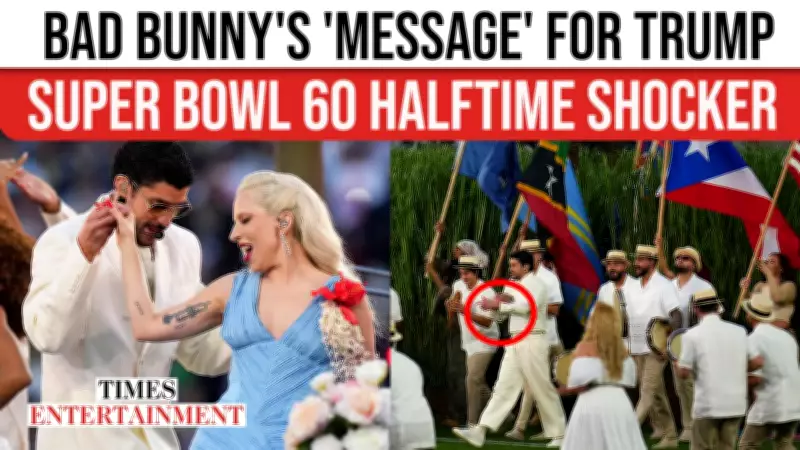
The artist's explosive set was characterized by high-energy choreography, bold visual elements, and an unapologetic celebration of Latin identity. However, it was the closing segment that generated the most significant controversy. Bad Bunny concluded his performance with a striking tribute that prominently featured the flags of various South American and Caribbean nations displayed across the massive stage.
This visual statement, combined with cryptic messages woven into the performance's lyrics and visuals, was interpreted by many observers as a pointed political commentary. The symbolism resonated deeply with global audiences, particularly within Latin American communities, while simultaneously drawing sharp criticism from certain political figures.

Immediate Reactions and Political Fallout
The aftermath of the show was swift and polarized. Former President Donald Trump was reportedly pushed "over the edge" by the performance, according to sources close to his circle. Trump's reaction was part of a broader conservative backlash against what they perceived as the politicization of a major American sporting event.
Social media platforms exploded with commentary, with the hashtag #SuperBowlControversy trending worldwide within hours. Supporters praised Bad Bunny for using the global platform to highlight cultural pride and make a statement, while detractors accused him of injecting divisive politics into entertainment.
The controversy extended beyond traditional political lines, sparking discussions about artistic expression, national identity, and the role of major entertainment platforms in contemporary discourse. The performance's timing, during one of the most-watched television events globally, ensured maximum impact and guaranteed that the conversation would dominate news cycles for days following the event.Historical Context and Lasting Impact
Bad Bunny's halftime show will undoubtedly be remembered as a watershed moment in Super Bowl history. Beyond the immediate controversy, the performance solidified the artist's status as a global icon and highlighted the growing influence of Latin music and culture on the world stage.
The incident also raises important questions about the future of major entertainment events and their intersection with social and political issues. As audiences become increasingly global and diverse, the expectations for representation and messaging in such high-profile showcases continue to evolve.
While the debate over the appropriateness of Bad Bunny's statements continues, one fact remains clear: Super Bowl 60's halftime show has permanently altered the conversation around what is possible—and permissible—during one of television's most coveted performance slots.