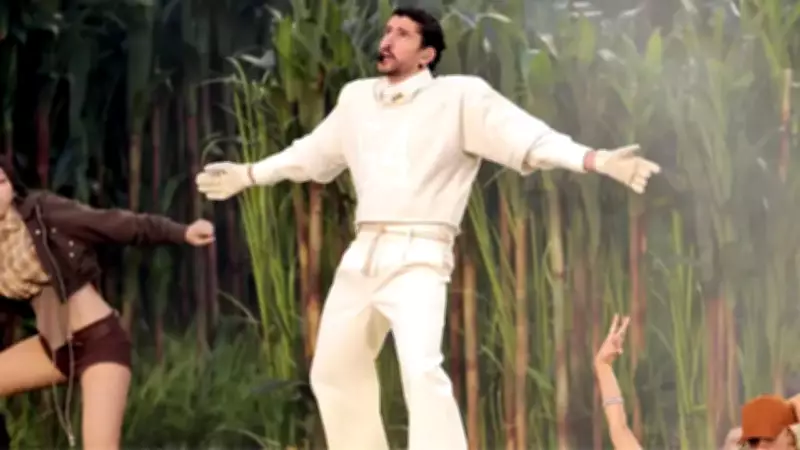
Bad Bunny's Super Bowl Halftime Performance Ignites Political Firestorm
The Super Bowl halftime show featuring Bad Bunny was always destined to generate discussion, but few anticipated the intense political controversy that erupted within days of the broadcast. The performance, which captivated more than 128 million viewers worldwide, rapidly transformed from a celebrated pop culture spectacle into a contentious topic of debate within the halls of Capitol Hill.
Republican Lawmakers Launch Formal Criticism
Several prominent Republican legislators have publicly condemned the halftime set, asserting that it crossed acceptable boundaries for network television during one of the most widely watched annual events. The National Football League and its broadcast partner NBC now find themselves embroiled in this heated national conversation.
While countless fans praised the production's technical excellence and the star power of Bad Bunny, others focused intently on specific choreographic elements and overall presentation. For certain lawmakers, this scrutiny has escalated into concrete political action.

Congressional Inquiry Formally Requested
Representative Andy Ogles of Tennessee has officially called for a congressional investigation into both the NFL and NBC regarding the halftime show content. In a formal letter addressed to the House Energy and Commerce Committee, Ogles characterized the performance as "pure smut" and detailed his objections.
He specifically cited what he described as "overtly sexualized movements, including widespread twerking, grinding, pelvic thrusts and other sexually suggestive conduct." The congressman urged the committee to thoroughly examine whether such content was appropriate for public airwaves, emphatically stating that "American culture will not be mocked or corrupted without consequence."
Historical Comparisons and Broader Concerns
Representative Mark Alford reinforced these concerns by drawing parallels to the infamous 2004 Janet Jackson wardrobe malfunction during another Super Bowl halftime show. Alford suggested that this year's performance might represent an even more troubling development for broadcast standards. He confirmed that he and congressional colleagues have initiated their own investigation into the television broadcast.
Former President Donald Trump amplified the controversy with his own commentary, describing the show as "absolutely terrible, one of the worst, EVER!" and labeling it "an affront to the Greatness of America." These remarks further intensified an already fiery debate raging across social media platforms and political circles.
Viewership Numbers Tell Different Story
Despite the significant political backlash, the extraordinary viewership statistics present a contrasting narrative. The halftime entertainment attracted one of the largest audiences in Super Bowl history, demonstrating both the massive scale of the event and Bad Bunny's substantial global popularity.
For the NFL, this incident underscores the delicate balance between providing entertaining spectacle and meeting diverse audience expectations. The organization now navigates complex questions about content standards during live prime-time broadcasts that reach hundreds of millions of households.
Broader Implications for Broadcast Standards
As investigations move into congressional committee arenas, the broader discussion will inevitably center on evolving broadcast standards, historical precedents, and the unique challenges of presenting live entertainment during prime-time television coverage. This controversy highlights ongoing tensions between artistic expression, cultural norms, and regulatory expectations in mass media.
The outcome of these inquiries could establish important precedents for future major televised events, potentially influencing how networks approach content decisions for similarly massive audience gatherings. Both the entertainment industry and regulatory bodies will closely monitor developments as this debate continues to unfold.