Manoj Bajpayee Addresses Ghooskhor Pandat Title Controversy
In a significant development, acclaimed actor Manoj Bajpayee has stepped forward to clarify the intent behind the controversial title of the upcoming film Ghooskhor Pandat. This move comes just hours after filmmaker Neeraj Pandey issued a detailed public statement addressing the mounting backlash and a police case linked to the project.
Bajpayee's Reflection on Public Concerns
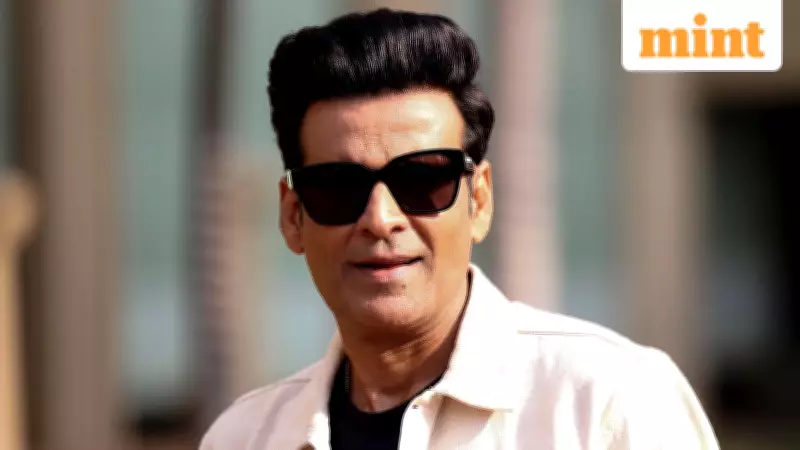
Sharing Pandey's note on social media platform X, Bajpayee expressed that he had taken the public's concerns very seriously. He used this moment to reflect deeply on whether the creative team had unintentionally caused hurt or offense through their artistic choices. The actor stressed emphatically that the film should not be interpreted as a commentary on any specific community, religion, or caste group.
Bajpayee clarified that his role in the film is strictly limited to portraying a morally flawed individual within a completely fictional narrative. According to the actor, the character he embodies is defined solely by personal choices, ethical shortcomings, and individual actions—not by any caste identity or community affiliation.

Filmmakers' Responsible Approach
The actor further elaborated that his extensive experience of working with Neeraj Pandey has consistently involved careful thought, ethical consideration, and profound responsibility in storytelling. He highlighted that the decision to temporarily withdraw all promotional material for the film underscores the seriousness with which the filmmakers are treating public sentiment and community sensitivities.
Bajpayee's statement aligns with Pandey's earlier clarification on Instagram, where the filmmaker described Ghooskhor Pandat as a fictional police drama. Pandey emphasized that the word "Pandat" is used exclusively as a colloquial name for a fictional character within this narrative universe.
Roots of the Controversy
The controversy erupted immediately after the film's teaser dropped on February 3rd, triggering sharp and widespread reactions across social media platforms. Numerous users alleged that the title was derogatory toward the Brahmin community, with criticism spreading rapidly and intensifying over subsequent days.
The backlash soon transcended online debate and entered legal and official channels. A formal petition has been filed in the Delhi High Court, and a police case has reportedly been registered at Hazratganj police station in Lucknow. These legal actions allege that the film's title and promotional material represent attempts to disturb social harmony and communal peace.
Divided Social Media Reactions
On social media platforms, reactions remain profoundly divided and polarized:
- Some users have welcomed the filmmakers' clarification and the withdrawal of promotional material, viewing it as a responsible and respectful response to community concerns.
- Others continue to question the initial choice of title, arguing that filmmakers must exercise greater sensitivity in India's current polarized social and political environment.
- Several critics have called out what they describe as a harmful portrayal of caste dynamics in popular culture, suggesting that such naming conventions would not be attempted with other communities.
- Some social media users have expressed disappointment that a global platform like Netflix allowed such a potentially contentious title to proceed without more thorough cultural vetting.
Film Details and Production Background
Ghooskhor Pandat is a significant part of Netflix India's ambitious 2026 content slate. The film marks another high-profile collaboration between the streaming giant and filmmaker Neeraj Pandey, following their successful partnership on Khakee: The Bihar Chapter.
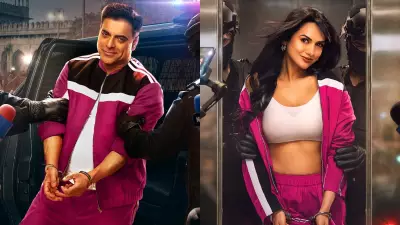
The project is co-directed by Ritesh Shah and Neeraj Pandey, featuring a talented ensemble cast that includes Nushrratt Bharuccha, Shraddha Das, and Kiku Sharda alongside Manoj Bajpayee in the lead role. The filmmakers have reiterated that the story focuses exclusively on an individual's actions and moral journey, without aiming to represent or comment on any caste, religion, or community identity.

As the controversy continues to unfold, the film industry and audiences alike await further developments, with many hoping for more nuanced conversations about representation, creative freedom, and social responsibility in Indian cinema.