BBC Launches Urgent Internal Investigation Following BAFTA Broadcast Incident
The British Broadcasting Corporation has launched a fast-tracked internal investigation after a racial slur was broadcast during the 79th BAFTA ceremony, despite a significant two-hour delay between filming and transmission. The broadcaster has officially labeled this incident as a "serious mistake" that should never have reached viewers' screens.
Immediate Response and Political Reaction
BBC Director-General Tim Davie has personally instructed the Executive Complaints Unit to complete a swift and thorough inquiry into how the offensive remark was aired and subsequently remained available on the BBC iPlayer platform until the following morning. The investigation will respond directly to viewer concerns and examine the entire broadcast chain.
Culture Secretary Lisa Nandy has welcomed the BBC's decision to investigate and described the broadcast of the racial slur as "completely unacceptable and harmful." This political scrutiny adds significant pressure on the broadcaster to provide transparent answers about how such content made it through multiple layers of editorial control.

Incident Details and Context
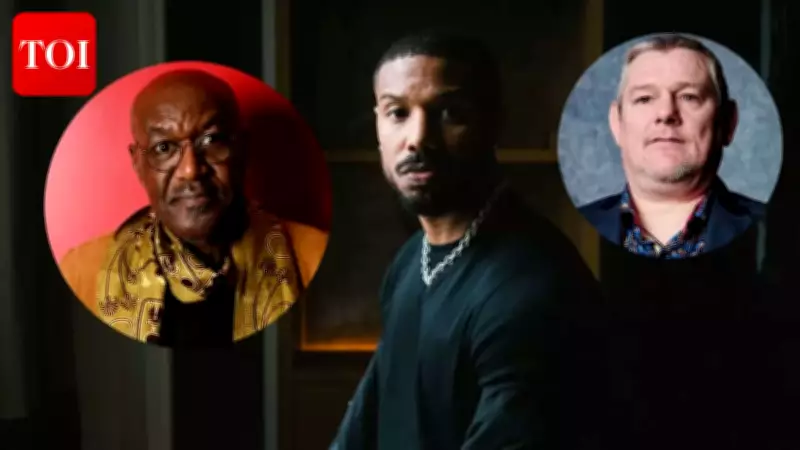
The controversial moment occurred while actors Michael B. Jordan and Delroy Lindo were presenting an award during the prestigious ceremony. Tourette's campaigner John Davidson, who inspired one of the winning films, shouted the N-word during the proceedings. Davidson later expressed being "deeply mortified" and attributed the outburst to an involuntary tic directly linked to his Tourette's syndrome.
Industry reports indicate that Warner Bros. raised immediate concerns about the offensive language and specifically requested that the racial slur be removed from the broadcast. Despite these warnings and the two-hour editing window, the offensive remark remained in the final transmission that reached millions of viewers.
Broader Context of BBC Editorial Challenges
This controversy follows earlier criticism of the BBC's editorial decisions during its Glastonbury Festival coverage, when a livestream of punk rap duo Bob Vylan included an anti-Israel chant. The broadcaster subsequently apologized for that incident and announced it would implement new protocols to avoid live-streaming performances considered "high risk" for containing offensive content.
John Davidson's Explanation and Apology
After the ceremony, Davidson spoke extensively to Variety about what transpired during the BAFTA event. He explained that his vocal tics disrupted the proceedings and emphasized that the offensive language was entirely unintentional and unrelated to his personal beliefs or character.
"What you're hearing is a symptom -- not my character, not my thought, not my belief," Davidson told the publication. He acknowledged that one of the words uttered was a racial slur and expressed understanding of its significant historical and modern impact on affected communities.
Davidson provided important context by revealing that he ticked "perhaps 10 different offensive words" throughout the evening and suggested that focusing exclusively on a single term created a misleading picture of what occurred. His management team confirmed that Davidson has personally contacted the studio behind 'Sinners' to apologize directly to Jordan, Lindo, and production designer Hannah Beachler.
Ongoing Scrutiny and Industry Implications
The BBC has confirmed it has ordered an urgent probe as scrutiny from political leaders, industry figures, and the public continues to intensify. This incident raises serious questions about broadcast protocols, editorial oversight, and how media organizations handle sensitive content involving medical conditions while maintaining appropriate standards.
The investigation will likely examine multiple aspects of the production and broadcast process, including:

- Why the two-hour delay between filming and transmission didn't prevent the airing of offensive content
- How the remark passed through multiple layers of editorial review
- Why it remained available on iPlayer for hours after the initial broadcast
- What protocols exist for handling content involving medical conditions
- How the BBC balances editorial freedom with content sensitivity
This incident occurs at a time when broadcasters face increasing pressure to maintain high editorial standards while navigating complex social sensitivities and medical considerations. The outcome of the BBC's investigation will likely influence industry-wide practices regarding delayed broadcasts and content review processes.