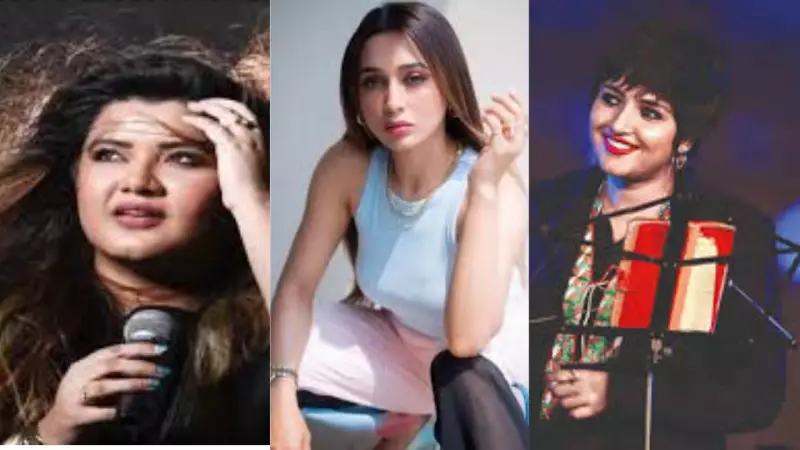
Bengal's Female Artists Confront Systemic Pressure to 'Adjust' Amid Unsafe Performance Conditions
In a troubling pattern emerging across West Bengal, numerous performing female artists have come forward to describe how late-night shows routinely subject them to pressure to "adjust" to substandard logistics and potentially unsafe working environments. These performers report facing insufficient security arrangements, inadequate green rooms and toilet facilities, unclear stage access protocols, and organizers who push them to continue performing despite instances of crowding, heckling, or unwanted attention from audiences.
The High Cost of Speaking Out: Accusations of Being 'Difficult' or 'Unprofessional'
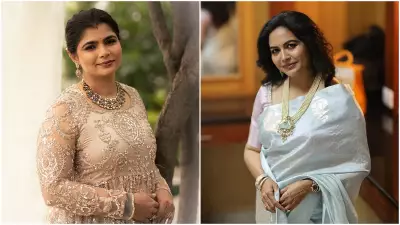
What makes this situation particularly challenging for artists is that any protest or complaint about these conditions is frequently met with accusations of being "difficult," "unprofessional," or even "insulting the audience." This pattern has gained renewed attention following actress and former TMC MP Mimi Chakraborty's recent complaint about harassment during a live cultural program in North 24 Parganas district.
Mimi took to social media to detail her experience, explaining that she had been invited by the Naya Gopal Gunj Yubak Sango Club to perform at an event in Bongaon. According to her account, she was abruptly asked to leave the stage mid-performance without any prior communication, in full view of the audience. She described the manner of her removal as humiliating, particularly when followed by derogatory remarks made over the microphone, which she characterized as amounting to public defamation.

"I left quietly to maintain decorum, but dignity on stage is non-negotiable," Mimi stated, adding that she has since approached appropriate legal authorities regarding the incident.
A Culture of Silence and the Expectation to Endure
In subsequent posts, Mimi shared a message from an audience member who apologized and acknowledged she had not been treated with due respect. The actress used this opportunity to highlight what she described as the pervasive expectation that women artists should simply "adjust, endure, and stay quiet" when facing difficult situations.
"Speaking up often leads to women being labeled 'difficult,' while silence allows such behavior to continue unchecked," Mimi wrote. She emphasized that she has built her career on principles of self-respect, hard work, and discipline, and urged for clearer boundaries to be established so that other performers do not face similar treatment. She also expressed solidarity with fellow artists who have experienced humiliation, interruption, or unfair blame during stage performances.
Broader Pattern of Challenges for Female Performers
Mimi's experience is not isolated. The episode follows singer Lagnajita Chakraborty's recent police complaint alleging she was heckled and physically harassed after performing a devotional song at a private educational institution in Purba Medinipur. Lagnajita had been performing in north Bengal with concerts in Raiganj and North Jaipalguri when she encountered difficulties.
While both shows were successful, she reported a brief heated exchange with Raiganj organizers who allegedly demanded mid-performance that branded advertisements be streamed on the LED screen during her act. "After a brief showdown, I agreed. The show was a success and I moved on," Lagnajita recounted. However, she later discovered the organizers had published an online article about the incident on a local portal.
Lagnajita noted that "this sense of entitlement among organizers is new," while clarifying that in her view, "this behavior has nothing to do with gender." She acknowledged that artists today have more avenues to air grievances, understand their rights, and file police complaints more efficiently than in the past.
Veteran Perspectives on Changing Dynamics
Singer Ujjaini Mukherjee provided additional context, telling TOI that she too has faced unruly behavior from organizers over the years. "Gender is an important factor in these situations," she asserted, while noting that "thankfully, the number of incidents has decreased in recent times."

Mukherjee explained her current approach: "I am now more selective about which shows I perform at and careful about the time I am supposed to start. I've found that problems tend to escalate when performances are scheduled for later in the evening."
Lagnajita offered a nuanced perspective on the broader landscape, stating that in her eleven-year career, she has witnessed only about five percent of cases where organizers misbehaved. "That is why women like me continue to perform," she explained, while adding that she remains "more guarded about my conduct" in professional settings.
The collective experiences shared by these artists have sparked renewed discussion about the specific challenges and safety concerns faced by female performers in Bengal's cultural circuit. As more artists speak out, the conversation is shifting toward establishing clearer professional standards and safer working environments for all performers, regardless of gender.