In the grand, dramatic tapestry of Bollywood storytelling, heroes and heroines often take center stage. Yet, some of the most powerful and enduring narratives are quietly steered by a different force: the mother. These characters, portrayed by legendary actresses, provide the emotional core, moral compass, and unwavering strength that turn simple plots into unforgettable cultural milestones. On December 3, 2025, a reflection on these pivotal roles reminds us how maternal figures have shaped some of Hindi cinema's most beloved stories.
The Pillars of Faith and Tradition
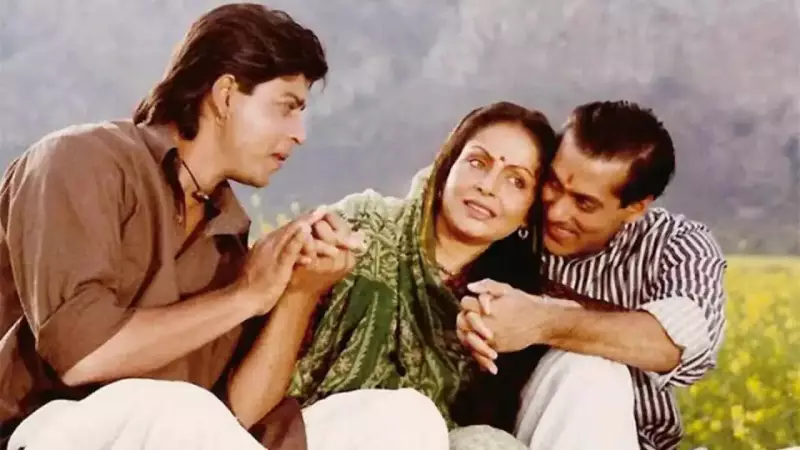
Certain maternal portrayals are etched into memory through their embodiment of timeless values. In the 1995 blockbuster Karan Arjun, Rakhee delivered a masterclass in a mother's spiritual fortitude. Her character suffers an unbearable loss but clings to an unshakeable belief that her sons will return. This isn't just passive hope; it is her prayers and devotion that actively challenge fate and drive the narrative toward its victorious conclusion. Audiences for decades have been moved by her portrayal, proving that a mother's love can be a formidable, narrative-driving power.
Similarly, Jaya Bachchan in Kabhi Khushi Kabhie Gham (2001) became the graceful anchor of a sprawling family saga. She represents tradition and warmth, her silent prayers and gentle smile serving as the glue that holds the family together even when conflicts arise. Her strength lies not in loud proclamations but in quiet resilience, reminding viewers that a mother's silent presence often carries the loudest message of love, forgiveness, and belonging.

Mothers of Conviction and Sacrifice
Other filmi mothers stand out for their resilience in the face of societal change and personal tragedy. Kirron Kher's performance in Rang De Basanti (2006) provides the grounding emotional heart in a film pulsating with youthful rebellion and patriotic fervor. She is the worried but supportive mother watching her son tread a dangerous path. When tragedy strikes, her personal grief transforms into a nation's courage, illustrating how a mother's love can fuel a larger movement for justice and change.
The archetype of the sacrificing mother found one of its most definitive performances in Nirupa Roy's role in Deewaar (1975). Her life, marked by struggle and dignity, positions her as the moral fulcrum between her two sons who choose diametrically opposite paths. The iconic scene where she must choose righteousness over maternal love remains one of Bollywood's most powerful moments. Through her, the film demonstrates how a mother's values and sacrifices fundamentally shape the heroes and villains of a story, making her its undeniable emotional backbone.
A Modern Portrait of Motherhood
Bollywood's portrayal of motherhood has also evolved to reflect contemporary realities. Vidya Balan in Paa (2009) presented a beautifully modern, single mother raising a child with a rare genetic condition. Her character abandons stigma, choosing instead to raise her son with confidence, joy, and fierce protection. She encourages him to shine, making their bond a source of tenderness and humor. This role highlighted independent, single motherhood with honesty, becoming a role model who shows that love only grows stronger when tested by extraordinary circumstances.
These five performances—by Rakhee, Jaya Bachchan, Kirron Kher, Nirupa Roy, and Vidya Balan—transcend their screen time. They are not just supporting characters but the very foundation upon which stories of faith, conflict, rebellion, and love are built. They remind us that often, the quietest force in a film can leave the loudest, most lasting echo in the hearts of the audience, shaping Bollywood's legacy one unforgettable story at a time.