For decades, Bollywood has painted a picture of India's Muslim community that is often simplistic, lazy, and dangerously misleading. A recent critical examination of this trend reveals a persistent reliance on tired tropes and shallow characterizations that fail to capture the diversity and reality of Muslim life in India.
The Persistent Clichés: From 'Nawabs' to 'Terrorists'
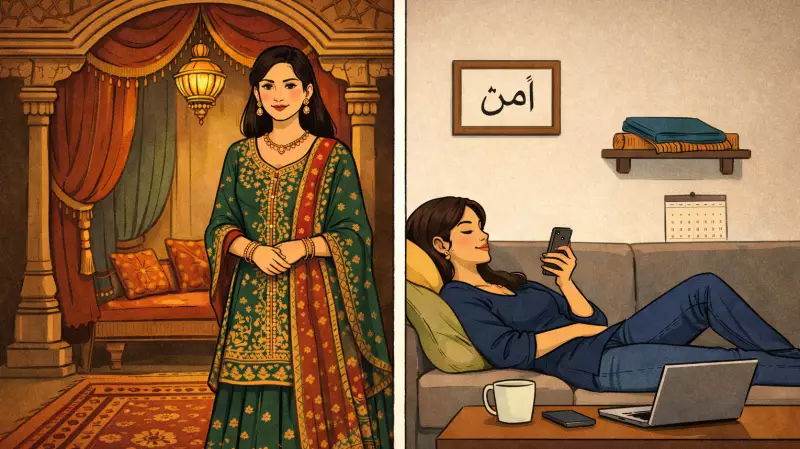
The industry's portrayal oscillates between two extreme and equally problematic poles. On one end, we find the romanticized, often historical, figure of the 'nawab' or the 'tawaif'—characters frozen in a bygone era of royalty and courtly love, speaking in heavily Persianized Urdu. This depiction, while sometimes glamorous, confines Muslim identity to a nostalgic past, disconnected from contemporary reality.
On the opposite end lies the more modern and pernicious stereotype: the Muslim as a threat. This manifests in characters linked to terrorism, crime, or religious fundamentalism. Such portrayals not only promote fear and suspicion but also unfairly tarnish an entire community by associating it with violence and extremism. These lazy shortcuts in storytelling ignore the vast, ordinary, and complex lives of Indian Muslims.

Beyond the Urdu Dialogue and Sherwanis
The superficiality extends to visual and linguistic shorthand. A Muslim character's identity is frequently established through a checklist of external markers: wearing a sherwani or topi, living in a haveli with Mughal architecture, and speaking a stilted, poetic form of Urdu. Their lives are overwhelmingly shown as revolving around festivals like Eid, weddings with 'nikaah', and culinary staples like kebabs and biryani.
This reductionist approach treats Muslimness as a costume or a set of cultural props, rather than exploring the internal world, professions, aspirations, and everyday challenges of individuals. Where are the Muslim software engineers, doctors, teachers, or students in mainstream Bollywood narratives? Their near-total absence creates a glaring gap in representation.
The Real-World Impact of Fictional Stereotypes
These cinematic portrayals are not harmless entertainment. They have tangible consequences. Stereotypical depictions shape public perception, especially for audiences with limited real-life interaction with the community. They can reinforce prejudices, cement 'otherness,' and contribute to social polarization.
Furthermore, this creative laziness does a disservice to the art of storytelling itself. It limits the industry's potential to tell rich, authentic, and compelling stories from a significant segment of Indian society. Audiences are increasingly seeking nuance and authenticity, which these recycled clichés fail to provide.
The call from critics and audiences alike is for writers and filmmakers to move beyond tokenism. It demands Muslim characters who are central to the plot not because of their religion, but in spite of it—characters with agency, flaws, dreams, and dimensions that go beyond their religious identity. Films like "Manto" and "Secret Superstar" have shown glimpses of this possibility, but they remain exceptions rather than the rule.
The need of the hour is for Bollywood to embrace its responsibility as a powerful cultural force. It must invest in research, collaborate with diverse writers, and consciously dismantle the stereotypical boxes it has built over the years. Only then can it truly reflect the vibrant, complex tapestry of the nation it represents.