Border 2 vs Ikkis: A Tale of Two 1971 War Films
Hindi cinema is currently presenting audiences with a fascinating and rare contrast. Just three weeks after the release of Sriram Raghavan's Ikkis, a thoughtful film examining the 1971 Indo-Pakistan War, Anurag Singh's Border 2 has arrived in theaters this Republic Day weekend. Both films are set during the same historical conflict, yet they could not be more different in their approach and execution.
The Clash of Cinematic Philosophies
Ikkis positions itself as an intelligent interrogation of the modern Hindi war film, deliberately avoiding and subverting tired stereotypes. In stark contrast, Border 2 frequently embraces cinematic clichés with what seems like willing martyrdom, sacrificing originality scene after scene. This assessment might appear harsh toward Border 2, which does have its moments of emotional resonance and occasional excitement, and is notably less jingoistic than many typical Hindi war films. However, director Anurag Singh and co-writer Sumit Arora appear constrained by the monumental legacy of J.P. Dutta's original 1997 blockbuster Border, and by the commercial pressures of crafting a vehicle for superstar Sunny Deol, who tends toward safety-first choices.
Border 2's Narrative and Structural Choices
The result is a film that recycles numerous elements from its predecessor:

- Familiar songs and thematic ideas
- Hologram-like apparitions referencing the first film
- A fresh supply of stoic wives and teary mothers
- Soldiers making dramatic sacrifices like giving up rations to keep ritual lamps burning
While not entirely unwatchable, the film becomes increasingly unremarkable and, at three hours and twenty minutes, ultimately exhausting. Interestingly, internet critics who accused Ikkis of glossing over Pakistan's actions in Bangladesh during 1971 will find no satisfaction in Border 2 either, as it focuses exclusively on the western front and Indian soldiers with their families.
Character Deployment and Battlefield Perspectives
After a brief preamble, viewers are plunged into a simmering conflict about to erupt on multiple fronts. The film follows four main protagonists across different battlefields:
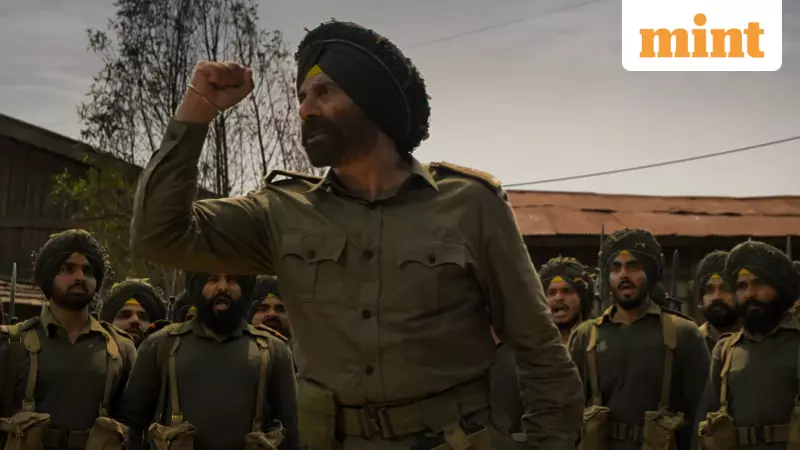
- Lt Col Fateh Singh Kaler (Sunny Deol) leading his battalion on land
- Major Hoshiar Singh Dahiya (Varun Dhawan) commanding ground forces
- Fg Offr Nirmal Jit Singh Sekhon (Diljit Dosanjh) defending in aerial combat
- Lt Cdr M.S. Rawat (Ahan Shetty) engaged in naval warfare
Though fighting separately during the war, the film includes an extended, largely comic flashback showing the three younger soldiers at military academy with Fateh Singh as their strict instructor. This structural choice of spreading protagonists across locations helps convey the expansive nature of the conflict, but Singh fails to clearly explain why specific posts being captured or held are vital to the overall war effort. Consequently, every skirmish feels presented as potentially war-deciding.
Character Development and Emotional Arcs
The splitting of the central quartet means Border 2 lacks the tight focus of the original Border, which concentrated on a single company. The film succeeds most effectively with Hoshiar Singh's men, with whom viewers spend sufficient time to become emotionally invested in their eventual sacrifices. Hoshiar himself enjoys a sweet romance with his new wife (Medha Rana), featuring a nice comic touch where an ambiguous couplet he quotes in a letter makes her believe he's dying.
Mona Singh, portraying Fateh Singh's brave but worried wife, delivers the only other significant female performance. Sonam Bajwa, paired with Dosanjh, struggles to feign interest in her limited screen time. Like its predecessor, this remains fundamentally a film about men serving their country, with women primarily serving the men who do so.

Action Sequences and Technical Execution
The film opens with a smartly executed action sequence involving land mines, retreating Pakistani soldiers, and an advancing Sunny Deol, initially raising expectations. However, subsequent scenes of aerial and naval combat reveal shaky CGI that substantially undermines Rawat's submarine standoffs and Sekhon's dogfights. The land-based action generally fares better, with Deol portraying his usual indestructible self, though sequences featuring the younger, more mobile Dhawan prove more engaging. Particularly noteworthy are several scenes of messy trench fighting involving Hoshiar and his men that rank among the most exciting combat sequences in Indian war cinema.
Content and Historical Context
Apart from one gratuitous shot of a soldier's decapitation, Border 2 lacks the nasty edge of some recent combat films. Deol spends much of the runtime delivering hoarse yells, but the dialogue (from what could be deciphered) remains relatively restrained. Some unnecessary provocations do surface:
- A drive-by criticism of the Mughals
- Excessive uses of 'halaal' by Pakistani soldiers
- Another blanket charge of cowardice after Dhurandhar (this time targeting Hindustan rather than Hindus specifically)
Such elements have become expected in Hindi war films, though one wishes for more nuanced touches like General Yahya Khan playing a Noor Jehan record during a meeting with his chiefs.
The Shadow of Predecessors and Industry Context
J.P. Dutta's original Border—depicting the same war but a different battle, fleetingly referenced—casts a long shadow over this sequel. Songs like 'Sandese Aate Hain' and 'Toh Chalun' are reproduced wholesale, making one wonder how scenes might have played had they reused 'Mere Dushman Mere Bhai'. The 1997 film established the rules and tenor for chest-thumping Hindi combat cinema, much as Lakshya (2004) would later define the more personal war narrative. Ikkis continues Lakshya's thoughtful approach while directly challenging Border and its numerous imitators. Border 2, unfortunately, offers little that feels fresh or innovative, ultimately delivering a conventional war film experience that fails to break new ground in a genre ripe for evolution.