Director Brett Ratner Addresses 'Empty Seats' Controversy Surrounding Melania Trump Documentary
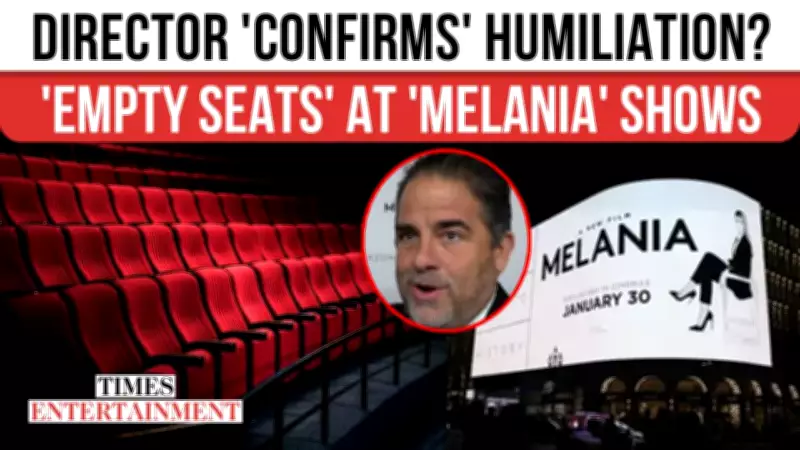
The self-titled documentary 'Melania', focusing on U.S. First Lady Melania Trump, has found itself embroiled in fresh controversy following its premiere. Director Brett Ratner has publicly reacted to widespread reports of shockingly low ticket sales, which some media outlets have described as a huge humiliation for the project.
Ratner's Remarks at Kennedy Center Premiere Spark Debate
Speaking at the film's high-profile premiere held at the Kennedy Center, Brett Ratner appeared to downplay the significance of the documentary's box office performance. He insisted that the project's success would not be measured by theatrical revenue, a statement that has raised eyebrows across the entertainment industry and among political commentators.
This remark comes amid emerging reports from major U.S. and U.K. cities indicating that theaters screening the documentary have sold as few as zero to three tickets for some showings. The stark contrast between the film's promotional buildup and its actual audience turnout has fueled intense scrutiny and debate.

Documentary Faces Backlash and Unconventional Marketing
The controversy has been further amplified by various reactions and related incidents:
- Online platforms like Craigslist have seen ads offering $50 to individuals willing to watch the documentary, highlighting the struggle to attract viewers.
- Critics have pointed to Melania Trump's so-called 'funeral look' in the film, suggesting it reflects broader tensions.
- Other news items, such as reports on Brooklyn's social media activity and royal family dramas, have intersected with the narrative, though they remain separate events.
Despite the negative attention, Ratner's defense suggests a strategic pivot, possibly aiming to frame the documentary as a cultural or political statement rather than a commercial venture. This approach echoes similar tactics used in politically charged film projects that prioritize message over profitability.
The situation underscores the volatile intersection of politics and entertainment, where public figures like Melania Trump often become focal points for broader societal debates. As the documentary continues its limited release, its impact may extend beyond box office numbers, influencing public discourse and media coverage in unexpected ways.