Chinmayi Sripada Condemns Jnanpith Award for #MeToo Accused Vairamuthu as 'Systemic Signal'
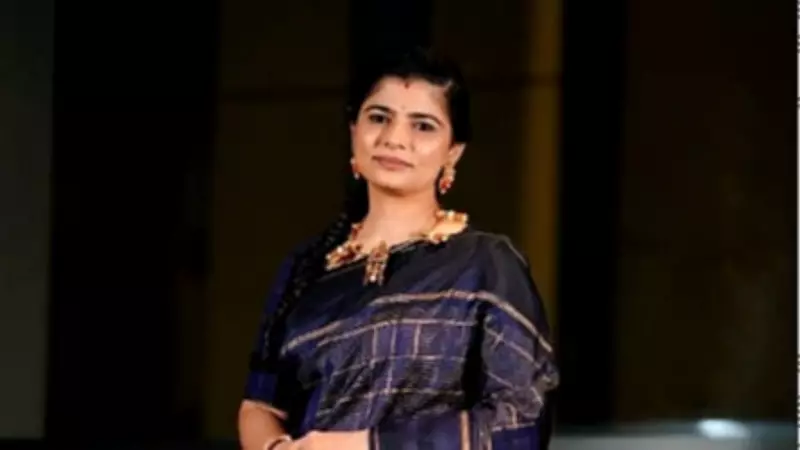
In a powerful and scathing critique, acclaimed singer and voice artist Chinmayi Sripada has denounced the decision to award the prestigious Jnanpith literary honor to Tamil writer and lyricist Vairamuthu, who faces at least 17 public allegations of sexual harassment and misconduct. Sripada describes this move as a 'systemic signal' that undermines the safety and testimony of women, emboldening perpetrators while silencing survivors.
Award Sparks Outrage Over Values and Justice
'When the nation's highest literary honor is bestowed on an individual with multiple sexual misconduct allegations, what does it say about the state's commitment to women's safety?' Sripada questioned in a recent interview. She emphasized that this decision reflects a broader societal failure, where victims are often told to remain silent while offenders face no consequences. 'Children see adults getting away with such acts, and that perpetuates the cycle,' she noted, pointing to the alarming trend of younger perpetrators emerging in recent years.
Sripada argued that political parties and institutions constantly platforming sex offenders contribute to this toxic environment. 'There are no moral, ethical, or legal questions asked of them, yet survivors face scrutiny over what they wore or did,' she lamented. This systemic inaction, she warned, encourages more men to commit abuses without fear of repercussion.

Calling Out Industry Legends Rajinikanth and Kamal Haasan
In a pointed critique, Sripada specifically called out Tamil cinema legends Rajinikanth and Kamal Haasan for their congratulatory social media posts on Vairamuthu's award. 'As senior-most pillars of Tamil cinema with political ambitions, they have failed to set safeguards in their own industry,' she stated. She expressed disappointment that these figures, who often speak about women's safety, did not acknowledge the trauma of survivors, instead choosing to 'stand by their bros, friends, mentors.'
Sripada highlighted the hypocrisy in how the industry treats accusers versus the accused. 'Why didn't they separate the art from the artist in my case? I was punished for speaking up, but the rule suddenly changes for the man accused by multiple women,' she said, referencing her own experiences after accusing Vairamuthu. She stressed that survivors like her must not only prove their talent but also gather numerous other accusers to be heard, a burden not placed on alleged offenders.
Industry Resistance and Technological Harassment
Discussing the Tamil film industry's response to sexual misconduct, Sripada expressed skepticism about any meaningful change. She referenced the Hema Committee Report in Kerala, which investigated harassment in the Malayalam film industry but saw many cases closed due to 'lack of cooperation.' 'The Tamil industry will fall over backwards to ensure such a report never happens here,' she predicted, noting that some women within the industry deny any problems exist.
Sripada also detailed the evolution of silencing tactics, from professional blacklisting to technological character assassination. She has faced targeted deepfake harassment and orchestrated online abuse since accusing Vairamuthu. 'This is a machinery that churns to ensure survivors don't speak up,' she described, calling it a 'different kind of beast' that undermines cultural values of free criticism.
Personal Struggles and Glimmers of Hope
Despite years of industry resistance, including a ban from the South Indian Cine and Television Artistes and Dubbing Artistes Union, Sripada continues her legal and advocacy efforts. 'Thankfully, my lawyers have not charged me a pie to fight my case,' she shared, expressing gratitude for their support against well-funded opposition.
In a bittersweet note, Sripada mentioned the viral success of her song 'Muththa Mazhai' from Thug Life, which she sees as a 'personal win' for many women. 'Gen Zs have learned about #MeToo and come to support me, which is heartwarming,' she said, emphasizing that such public victories are crucial for inspiring others.

Lessons for the Future
As a mother facing threats for her activism, Sripada is determined to teach her children about the price of speaking truth to power. 'It always comes at a price,' she advised, urging them to act only from conviction, not pressure. While she acknowledges that sexual abuse may not stop, she hopes for a future with less retraumatization by society and systems. 'I can only pray things will be safer for them,' she concluded, embodying resilience in the face of ongoing injustice.