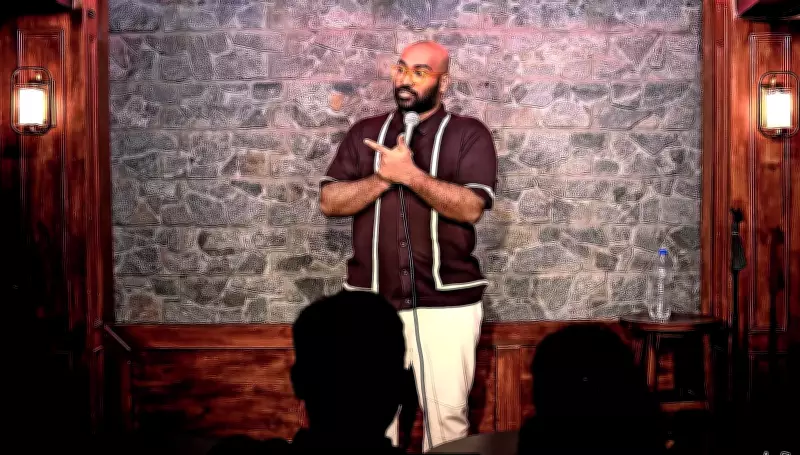
Comedian Anudeep Katikala Detained by Andhra Police Over Controversial Jokes
In a significant development that has ignited debates about artistic freedom and legal boundaries, Hyderabad-based stand-up comedian Anudeep Katikala was detained by Andhra Pradesh police on April 14. The detention occurred in Prayagraj, Uttar Pradesh, where Katikala was visiting his parents, following an FIR filed earlier in the week at Kakinada Police Station.
The Complaint and Legal Action
The legal action stems from a complaint lodged by a member of the Jana Sena Party, who alleged that Katikala's YouTube-uploaded comedy set contained objectionable remarks targeting prominent Telugu film personalities. Specifically, the set featured jokes about actor-politician Pawan Kalyan, Niharika Konidela, and Ram Charan, which the complainant found offensive and defamatory.
Despite issuing a public apology days prior, where Katikala explained that his material was intended to "normalise feminism and destigmatise divorce," authorities proceeded with charges under the Bharatiya Nyaya Sanhita (BNS) and the Information Technology Act. He was reportedly transported by train to Kakinada, accompanied by his parents, to face legal proceedings.

Sections Invoked in the Case
The police have invoked multiple legal provisions against Anudeep Katikala, reflecting the seriousness with which the complaint is being treated:
- Section 356(2), Bharatiya Nyaya Sanhita (BNS): This section pertains to defamation, addressing statements that harm an individual's reputation.
- Section 353(2), Bharatiya Nyaya Sanhita (BNS): Deals with statements made in public that could cause alarm or public mischief, potentially disrupting social harmony.
- Section 79, Bharatiya Nyaya Sanhita (BNS): Relates to words or gestures intended to insult the modesty of a woman, highlighting gender-sensitive aspects of the complaint.
- Section 67, Information Technology Act: Addresses the publishing or transmitting of objectionable content in electronic form, relevant given the YouTube platform used for the comedy set.
Reactions from the Comedy Community
The detention has drawn sharp criticism from fellow comedians, who describe the police action as excessive and inhumane. Sandesh Johnny commented, "Some of the jokes may not have been in the best taste, but they are still just jokes. It feels excessive for the police to travel all the way to Prayagraj to detain a comedian over this, especially when far more serious crimes occur every day." He added that Indian society lacks the culture of satire seen in Western countries, where public figures are more freely critiqued.
Sravanthi Basa, who has performed in both the US and India, noted, "In the US, there is a culture of satire... But in India, stand-up is often taken far more seriously than it should be... choosing to respond with aggression or involving the police raises a bigger question: How is that fair or even humane?"
Anirudh expressed concerns about the impact on the nascent comedy scene in Telangana and Andhra Pradesh. "Stand-up comedy is still a fairly new space in Telangana and Andhra Pradesh, and as artists, we are still exploring our voice. Incidents like this are likely to slow that growth," he said. He highlighted that cinema holds a strong emotional connection in the region, making jokes about film personalities particularly sensitive, and warned that such reactions could deter the opening of new comedy venues in Hyderabad.
Broader Implications and Context
This incident underscores the ongoing tensions between creative expression and legal accountability in India's entertainment landscape. The use of BNS sections, which replace older penal codes, indicates a modern legal framework being applied to digital content. The case also raises questions about the balance between protecting individuals from defamation and upholding freedom of speech, especially in regions where film personalities command immense public admiration.

As the legal process unfolds, the comedy community and free speech advocates are closely watching, arguing that while content moderation is necessary, disproportionate responses could stifle artistic growth. The detention from a distant state like Uttar Pradesh adds a layer of complexity, suggesting interstate coordination in policing online content.
Ultimately, this event may prompt broader discussions on guidelines for satire in India, the role of law enforcement in cultural disputes, and the evolving dynamics between public figures and comedians in the digital age.