Ranveer Singh Faces Legal Heat as Court Rejects Apology, Demands Affidavit and Temple Visit
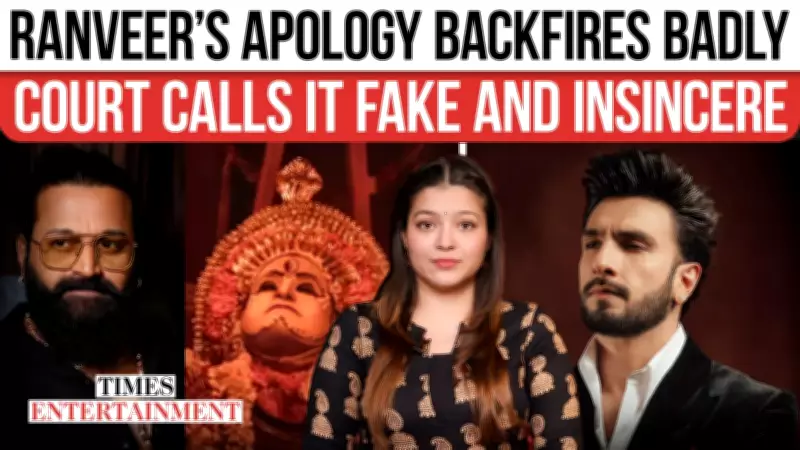
The legal controversy surrounding Bollywood actor Ranveer Singh has intensified significantly, with the Karnataka High Court delivering a stern rebuke and issuing specific directives in response to his recent public remarks. The court has categorically labeled his previous apology as "insincere" and "fake," escalating the judicial scrutiny over comments that allegedly offended religious sentiments.
Court's Uncompromising Stance on the Apology
During the proceedings, the bench expressed clear dissatisfaction with the actor's initial attempt at reconciliation. The judges noted that the apology lacked genuine remorse and failed to adequately address the gravity of the situation. Consequently, the court has mandated Ranveer Singh to submit a formal, unconditional affidavit. This legal document must unequivocally express regret and acknowledge the impact of his words, moving beyond the perceived superficiality of his earlier statement.
Proposed Pilgrimage to Chamundi Hills Temple
In a notable development aimed at fostering amends, Ranveer Singh's legal representatives have indicated plans for the actor to undertake a visit to the revered Chamundi Hills Temple. This proposed pilgrimage is viewed as a gesture of respect and atonement towards the religious community affected by his comments. The temple, a significant spiritual site, symbolizes the cultural context at the heart of this dispute.

The entire legal issue originates from remarks made by Ranveer Singh during a public event, where he referenced a sacred tradition depicted in the film Kantara: Chapter 1. His on-stage commentary sparked immediate backlash, with critics alleging that it trivialized or disrespected deeply held religious beliefs. The actor's attempt to clarify or apologize initially did little to quell the outrage, leading to the formal legal complaint now before the High Court.
Upcoming Judicial Proceedings
The matter remains active in the judicial system, with the next hearing scheduled for April 10. This session will likely review the compliance with the court's orders, including the submission of the affidavit and details regarding the temple visit. The outcome could set a precedent for how similar cases involving public figures and religious sentiments are handled in the future.
This case highlights the delicate balance between freedom of expression and respect for religious sentiments in India's diverse cultural landscape. As a prominent celebrity, Ranveer Singh's actions and the court's response are being closely watched, underscoring the broader implications for artistic expression and legal accountability in the entertainment industry.