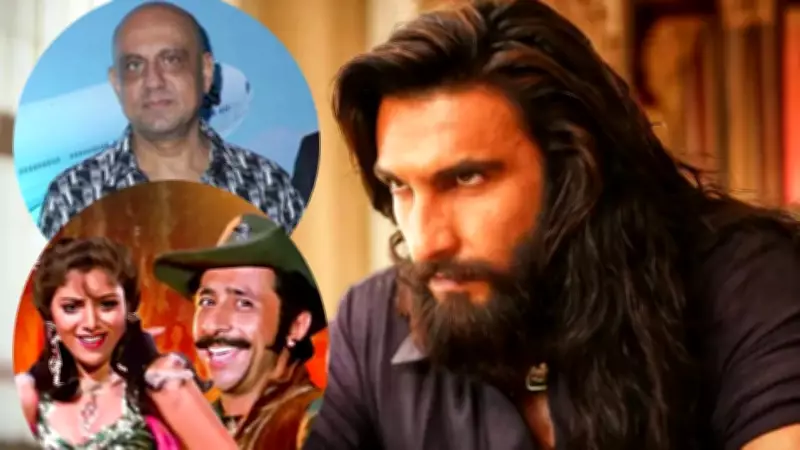
Delhi High Court Imposes Media Gag on Filmmaker in 'Dhurandhar 2' Song Copyright Dispute
Amidst the tremendous box office success and widespread acclaim for the blockbuster film 'Dhurandhar 2', a significant legal controversy has emerged, casting a shadow over its theatrical run. Trimurti Films has initiated legal action against the movie's producers, alleging unauthorized use of the iconic song 'Oye Oye (Tirchi Topi Wale)' from the 1989 classic 'Tridev'. This dispute has now escalated to the Delhi High Court, which has taken decisive steps to manage the situation.
Court Orders Restraint During Mediation Process
In a crucial development last week, the court referred the contentious matter to mediation, aiming for an amicable resolution outside the traditional adversarial courtroom setting. However, proceedings took a dramatic turn on Wednesday when Justice Tushar Rao Gedela of the Delhi High Court recorded a formal undertaking from filmmaker Rajeev Rai. The filmmaker has committed to abstain from making any public statements to the media regarding the song dispute while the mediation process is ongoing.
The court's intervention came in response to an application filed by Super Cassettes, which highlighted that Rai had continued to grant interviews and comment on the case despite the mediation referral. Justice Gedela expressed concern that such public remarks could undermine the mediation efforts and potentially intensify the conflict beyond the courtroom.

The bench made it unequivocally clear that once litigants approach the judiciary, they are expected to exercise appropriate restraint in publicly discussing matters that are sub judice. "Such restraint is essential to prevent disruption of mediation efforts and to avoid intensifying the dispute outside the courtroom," the court observed, while clarifying that it had not expressed any opinion on the merits of the case at this preliminary stage.
Legal Arguments and Counterarguments
Senior Advocate Akhil Sibal, representing Super Cassettes, argued forcefully that Rai's continued media commentary was prejudicial and was adversely affecting the film's commercial performance. "They are calling us thieves while the very issue is before this Court for consideration," Sibal submitted, emphasizing that a litigant cannot simultaneously seek judicial relief while publicly airing allegations through media channels.
In response, Senior Advocate Swathi Sukumar, appearing for Rajeev Rai, acknowledged that her client had made some comments out of anguish but emphasized his willingness to cooperate fully with the mediation process. "They get praise every day for being a box office hit. Equally, two people criticising them is not going to bring down heavens," she argued, while also opposing any blanket restriction on free speech.
Core of the Copyright AllegationThe dispute originates from Trimurti Films' claim that the song 'Rang De Lal (Oye Oye)' featured in 'Dhurandhar 2' improperly borrows from 'Tirchi Topiwala', a memorable track from the 1989 film 'Tridev', without obtaining proper authorization. The defendants have categorically denied these allegations and have opposed any interim relief sought by the plaintiffs.
Judicial Philosophy on Parallel Narratives
The court delivered a significant observation regarding the appropriate conduct of litigants during judicial proceedings. Justice Gedela remarked that while individuals are certainly entitled to their personal opinions, making specific imputations or commenting extensively on an ongoing legal dispute is not appropriate. The bench underlined that litigants must either place their complete trust in the judicial process or seek remedies through alternative channels, but they cannot pursue parallel commentary in the media that might influence the proceedings or public perception.
The undertaking given by Rajeev Rai will remain in effect until the next hearing, when the court will review the matter again. This development represents a critical juncture in the intersection of intellectual property rights, cinematic production, and judicial process management within India's vibrant entertainment industry.