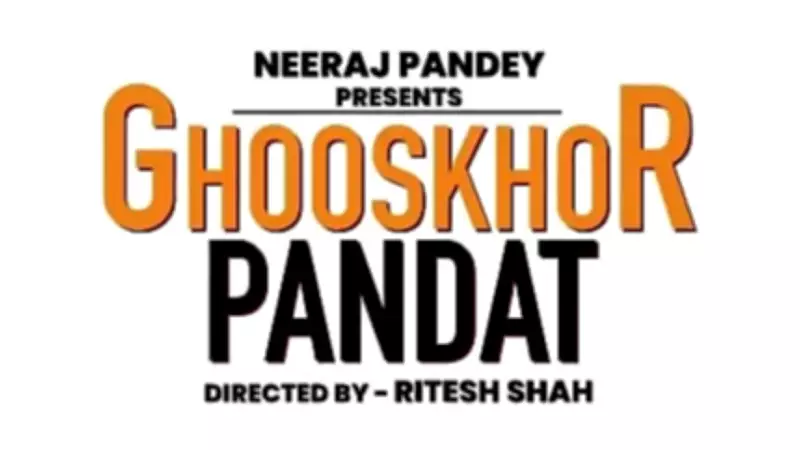
Delhi High Court Petition Aims to Halt Netflix Film 'Ghooskhor Pandat' Amid Defamation Allegations
A significant legal development has emerged in the entertainment sector, as a petition has been filed in the Delhi High Court seeking an immediate stay on the release and streaming of the Netflix film titled 'Ghooskhor Pandat'. The plea, which has garnered attention across India, alleges that the film contains content that defames the Brahmin community, raising concerns about cultural sensitivity and media representation.
Allegations of Defamation and Community Harm
According to the detailed petition submitted to the court, Netflix India has actively announced and promoted the film, circulating promotional materials that allegedly associate the term 'Pandat' with immoral and corrupt conduct. The petitioners argue that this portrayal not only tarnishes the reputation of the Brahmin community but also perpetuates harmful stereotypes that could lead to social discord and discrimination. The plea emphasizes the need for responsible content creation, especially on global platforms like Netflix, which have a wide reach in India.
Legal and Social Implications of the Case
This case highlights the ongoing tension between creative freedom and community rights in India's dynamic media landscape. Key aspects of the petition include:

- Request for Stay: The primary demand is for the Delhi High Court to issue a stay order on the film, preventing its further promotion or availability on Netflix until the matter is resolved.
- Alleged Defamatory Content: The petition points to specific promotional clips and descriptions that, according to the complainants, misrepresent Brahmin traditions and values.
- Impact on Community: Concerns are raised about the potential for the film to incite negative perceptions and affect the social standing of Brahmins, a community with deep historical and cultural roots in India.
As the legal proceedings unfold, this case is expected to set a precedent for how defamation claims are handled in the context of digital streaming content. It underscores the importance of balancing artistic expression with respect for diverse communities in a multicultural society like India.