Delhi High Court Questions Singer Jubin Nautiyal's Choice of Jurisdiction in Personality Rights Case
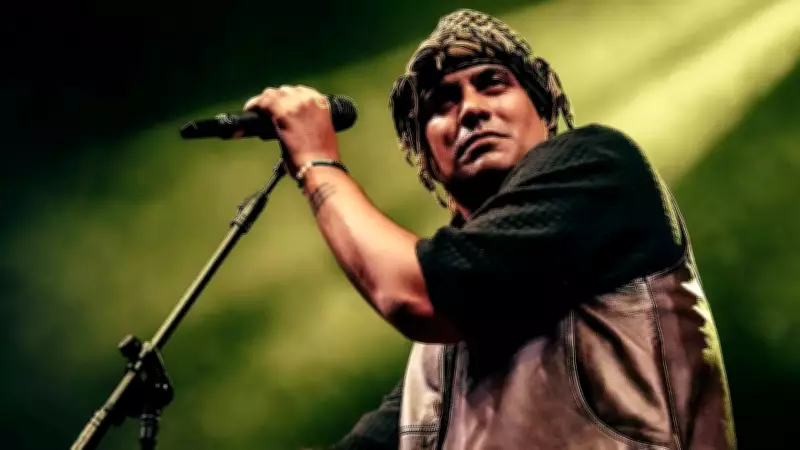
Prominent playback singer Jubin Nautiyal approached the Delhi High Court on Thursday, seeking legal protection for his personality rights against alleged unauthorized commercial exploitation. However, the court immediately raised jurisdictional questions, asking why the Uttarakhand-based artist did not file his petition in his home state's high court instead.
Court Questions Jurisdictional Reasoning
During the hearing, Justice Sanjeev Narula directly questioned Nautiyal's legal counsel about the jurisdictional choice. "Why didn't you approach a court in Uttarakhand?" the judge asked, adding pointedly that "courts there have not been abolished." The singer's lawyer argued that the Delhi High Court was the appropriate venue because controlling authorities like the Ministry of Electronics and Information Technology (MeitY) and the Department of Telecommunications (DoT) are headquartered in the national capital.
The court appeared unconvinced by this reasoning and pressed further on jurisdictional grounds. "What is the reason for coming here?" Justice Narula asked. "Court in Uttarakhand can't call them (defendants) and pass directions? Are you saying Google is not available in Uttarakhand?"

The bench elaborated its concerns about jurisdiction: "You have to tell us this, no? Why Uttarakhand doesn't have jurisdiction when you yourself are located there? Is it the law that because the ministry is here, whatever will be against them, all jurisdiction, whether from Madras, Calcutta or Bombay will come here?"
Nautiyal's Allegations of Unauthorized Use
In his legal petition, Jubin Nautiyal alleged that multiple entities have been commercially exploiting his name, voice, image, likeness, and other distinctive elements of his persona without proper authorization, license, or permission. The singer claimed these actions constitute infringement of his personality and publicity rights, while also violating his registered trademarks, copyrights, and other intellectual property protections.
Nautiyal's counsel informed the court that several other celebrities had previously approached the Delhi High Court seeking similar relief for personality rights violations. However, the bench observed that those were interim orders and did not establish binding legal precedents for future cases.
Growing Trend of Celebrity Personality Rights Cases
The Delhi High Court has seen a significant increase in personality rights cases filed by celebrities over the past year. Numerous Bollywood stars and public figures have approached the court seeking protection against AI-generated content, deepfakes, and unauthorized commercial use of their image and likeness.
Notable celebrities who have filed similar petitions include:
- Amitabh Bachchan
- Shatrughan Sinha
- Anil Kapoor
- Salman Khan
- Aishwarya Rai Bachchan
- Jackie Shroff
- Jr NTR
- Kumar Sanu
- Nagarjuna
- Daler Mehndi
- Karan Johar
Despite this growing trend, the High Court clarified during Thursday's hearing that interim orders in previous celebrity cases do not automatically create binding precedents for future personality rights matters. Each case must establish its own jurisdictional and legal merits.
Legal Implications and Pending Decision
The court has reserved its order in Jubin Nautiyal's case, with the jurisdictional question remaining a central issue. Legal experts suggest this case could have significant implications for how personality rights cases are filed in India, particularly regarding the appropriate venue for litigation when plaintiffs reside in different states than where government authorities or defendants are located.
Personality rights, also known as publicity rights, protect individuals from unauthorized commercial use of their name, image, likeness, or other identifiable aspects of their persona. In India's evolving digital landscape, these rights have gained increased importance as celebrities face growing threats from deepfake technology, unauthorized endorsements, and AI-generated content.

The Delhi High Court's questioning of jurisdictional appropriateness suggests a potential shift in how courts might handle celebrity rights cases moving forward, emphasizing proper venue selection based on the plaintiff's residence and the location of alleged violations rather than merely the headquarters of government regulatory bodies.