Hollywood Star Dennis Quaid Sparks Outrage with Trump Support and Air Force One Moment
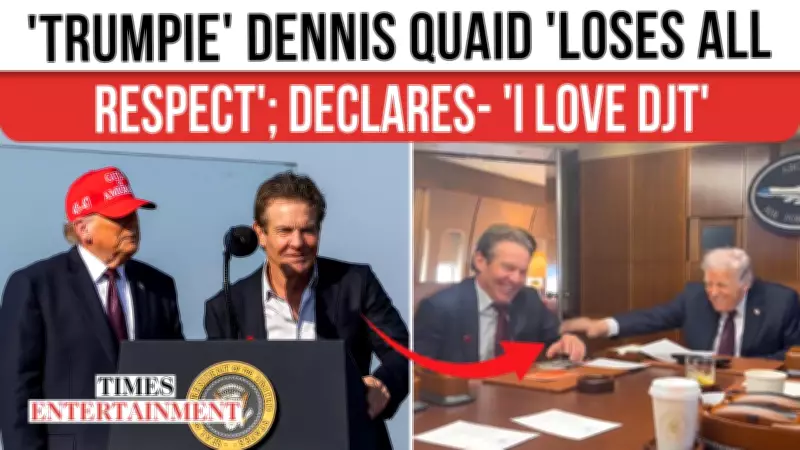
Renowned Hollywood actor Dennis Quaid is currently facing a significant wave of backlash and public criticism following his recent public appearance alongside former U.S. President Donald Trump. The controversy erupted after Quaid participated in a political event at the Port of Corpus Christi in Texas, where he shared the stage with Trump, drawing immediate attention from media and political observers.
Viral Air Force One Moment Adds Fuel to the Fire
The situation intensified dramatically when Texas Senator Ted Cruz shared a viral moment on social media platform X, showing Quaid and himself laughing together aboard the iconic Air Force One aircraft. This shared moment of levity, occurring in the prestigious setting of the presidential plane, quickly spread across digital platforms, amplifying the scrutiny on Quaid's political affiliations.
Social Media Erupts with Criticism and Disappointment
The combination of Quaid's Texas appearance with Trump and the Air Force One laughter has triggered widespread outrage across social media platforms. Numerous fans and followers have expressed their disappointment publicly, criticizing the actor for his continued support of Trump. This criticism comes at a particularly sensitive time, as public attention remains focused on the ongoing discussions surrounding the Epstein files and related controversies.

Key elements of the backlash include:
- Public disappointment from long-time fans who feel betrayed by Quaid's political stance
- Criticism of the timing, given the current political climate and Epstein-related developments
- Questions about celebrity involvement in partisan politics
- Debate over the appropriateness of the Air Force One moment during a period of national political tension
Broader Context of Celebrity Political Involvement
This incident highlights the ongoing tension between Hollywood celebrities and political engagement, particularly when such involvement aligns with controversial political figures. Quaid's actions have placed him at the center of a heated debate about the role of entertainment figures in political discourse and the consequences of their public political affiliations.
The backlash against Quaid reflects broader societal divisions and the intense polarization surrounding political figures and their supporters. As the story continues to develop, it raises important questions about celebrity influence, political expression, and the intersection of entertainment and politics in contemporary American society.