Aditya Dhar's latest directorial venture, Dhurandhar, presents a troubling paradox. The film, a sprawling crime epic set against the backdrop of Indo-Pak tensions, demonstrates undeniable technical prowess and narrative control. Yet, it deploys this very craft to gaslight audiences into accepting a deeply bigoted vision, packaged as mainstream entertainment.
A Pressure Chamber of Propaganda
The film's intent becomes clear within its first few minutes. Set in 1999 during the Kandahar hijacking, a scene inside the captured plane sets the tone. Intelligence Bureau chief Ajay Sanyal (R Madhavan) attempts to rally Indian hostages with a patriotic chant. The deafening silence that meets his call is punctuated by the mocking laughter of a Pakistani hijacker, who delivers a line designed solely to provoke: "You Hindus are so cowardly." This moment, as criticised by many, is not subtle storytelling but deliberate agitation. Dhar seeks friction, aiming to unsettle and divide by folding political incitement into the broad sweep of a genre film.
Narrative Craft vs. Ethical Vacuum
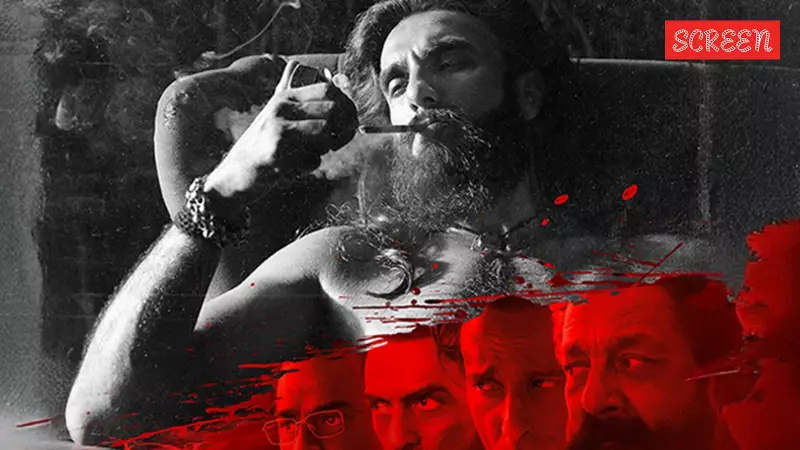
On a purely cinematic level, Dhar makes several smart choices. He moves the espionage story away from traditional confines, steering it closer to a Pakistani gangster saga. Much of the narrative unfolds across the border, delving into the underworld nexus. In a subversive shift, the deployed spy Hamza (Ranveer Singh) recedes, allowing the crime kingpin Rehman Dakait (Akshaye Khanna) to take centre stage alongside Sanjay Dutt's cop Chaudhary Aslam. Dhar displays a keen understanding of suspense architecture, using delayed payoffs and inventive stylistic touches like a techno-qawwali chase sequence.

However, the film forces a critical question: to what end is this skill applied? When craft is divorced from conscience, it risks becoming mere manipulation. This is starkly evident in the film's most haunting segment, where the screen bleeds red and transcripts from the 26/11 Mumbai attacks scroll silently, punctuated only by the repeated word "kaafir" (infidel). The preceding scene shows Pakistani officials celebrating the slaughter of innocents. The reduction of an entire faith to a caricature of barbarism, solely to achieve polarization, reveals the film's core moral failing. Empathy is absent; the narrative is dictated solely by vengeance.
Performances and Missed Potential
The cast delivers power within the confines of the script. Akshaye Khanna is superb as the charismatic crime lord, clearly relishing his role. The characters are fleshed out, often delivering whistle-worthy dialogue. The plot, set against the complex backdrop of Balochistan's struggle and gang rivalries, maintains engagement through sheer collision of forces.
Yet, the potential for a nuanced geopolitical thriller is squandered. A subplot where Sanyal discovers Pakistani terror outfits circulating counterfeit notes but waits for a "more patriotic leader" to act, slips into absurdity. It mirrors a waiting game for "ache din" (good days), a sentiment that underscores the film's fixation on propaganda over substantive storytelling. The review concludes that Dhar is fixated on delivering propaganda masquerading as entertainment, ultimately failing to realise the true potential of his rich material.