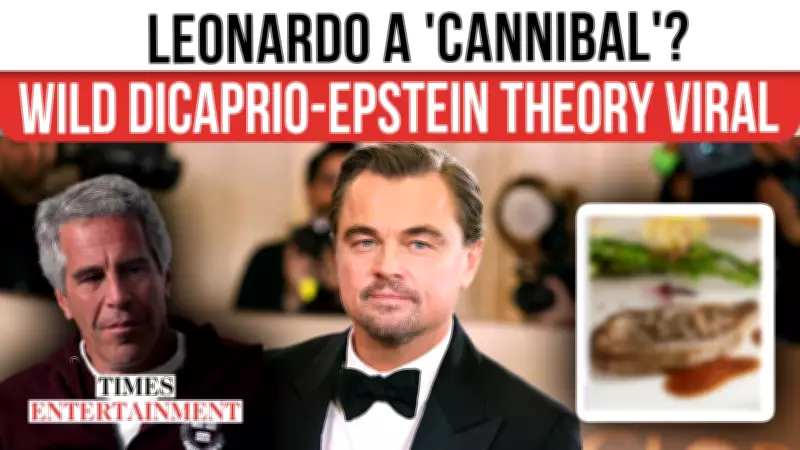
Leonardo DiCaprio's Name Surfaces in Epstein Files, Igniting Online Frenzy
The release of new documents related to the Jeffrey Epstein case has unexpectedly drawn Hollywood superstar Leonardo DiCaprio into the spotlight, sparking a wildfire of sensational conspiracy theories across social media platforms. While his name appears in the materials, credible reporting and legal experts emphasize that this does not equate to evidence of misconduct.
What the Epstein Documents Actually Reveal About DiCaprio
According to verified reports, DiCaprio's name is mentioned in the context of social connections and events, not in allegations of illegal activities. The documents, part of ongoing legal proceedings, include various names from entertainment, business, and political circles. Legal analysts stress that inclusion in these files often reflects tangential associations rather than direct involvement in Epstein's crimes.
Key facts confirmed by investigators:

- DiCaprio's name appears in connection with social gatherings and philanthropic events
- No allegations of wrongdoing against the actor have been substantiated
- The mention appears to be incidental rather than central to the Epstein case
- DiCaprio has not been accused of any crimes related to the Epstein investigation
The Viral Spread of Bizarre Conspiracy Theories
Despite the lack of evidence, social media platforms have exploded with extreme and unfounded claims, including shocking cannibalism allegations that have gone viral. These theories appear to originate from unverified sources and have been amplified through algorithmic amplification and coordinated sharing campaigns.
Digital misinformation experts note several concerning patterns:
- Rapid spread of sensational claims without factual basis
- Manipulation of document excerpts to create misleading narratives
- Exploitation of public interest in high-profile cases for engagement farming
- Blurring of lines between legitimate document analysis and conspiracy peddling
Expert Analysis: Why Document Inclusion Doesn't Imply Guilt
Legal professionals specializing in high-profile cases provide crucial context for understanding these developments. "The Epstein documents contain thousands of names," explains one attorney familiar with the case. "Many appear simply because they were in Epstein's social orbit or attended events he hosted. Presence in these files should not be interpreted as evidence of criminal behavior."
Investigative journalists covering the Epstein case for years emphasize that:
- The documents serve multiple purposes beyond identifying perpetrators
- Many names appear as witnesses, acquaintances, or incidental contacts
- Proper legal analysis requires understanding context and evidentiary standards
- Social media speculation often ignores these crucial distinctions
The Broader Pattern of Celebrity Conspiracy Theories
This incident represents the latest example of how high-profile cases involving powerful figures can generate widespread misinformation campaigns. Similar patterns have emerged with other celebrities mentioned in various legal proceedings, where minimal connections become amplified into elaborate conspiracy narratives.
Media analysts observe that these phenomena typically follow a predictable cycle:
- Release of documents containing celebrity names
- Selective excerpting and decontextualization by online actors
- Rapid spread through social media echo chambers
- Mainstream media coverage attempting to provide factual context
- Continued circulation of disproven claims in certain online communities
As the online frenzy continues, responsible reporting emphasizes the importance of distinguishing between documented facts and viral speculation. The DiCaprio case highlights ongoing challenges in navigating complex legal information in the digital age, where sensational claims often travel faster than verified facts.