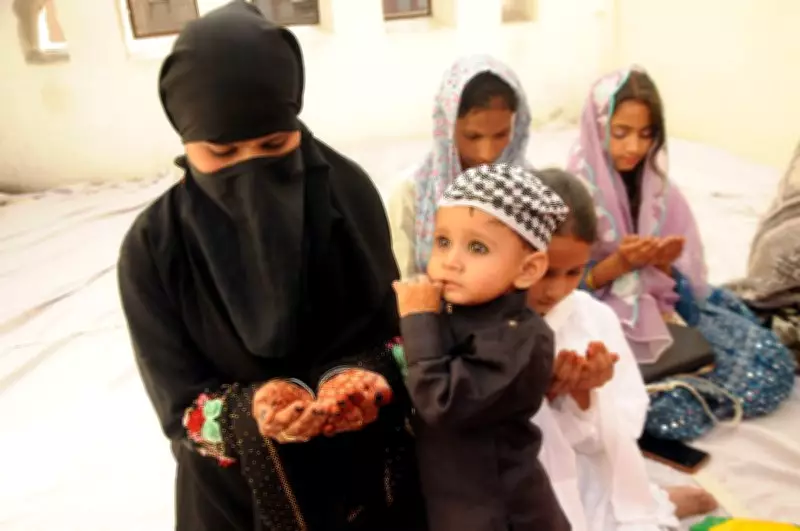
Eid al-Adha, also known as the Festival of Sacrifice, holds a special place in Amritsar, where it is celebrated with a unique blend of history, interfaith harmony, and culinary traditions. The city, renowned for the Golden Temple, showcases a secular spirit that transcends religious boundaries.
Historical Significance
Amritsar's history is deeply intertwined with Muslim culture, dating back to the Mughal era. The city's architecture, including mosques like the historic Jama Masjid, reflects this heritage. During Eid al-Adha, these sites become centers of prayer and community gathering, reminding residents of their shared past.
Interfaith Harmony
Amritsar exemplifies interfaith harmony, with Hindus, Sikhs, and Muslims often participating in each other's festivals. On Eid al-Adha, Sikhs and Hindus visit Muslim neighbors to exchange greetings and sweets. This tradition strengthens communal bonds and showcases the city's inclusive ethos.

Community Feasts: Many families organize open-house feasts, inviting people from all faiths to share the sacrificial meat, known as qurbani. This practice emphasizes charity and togetherness.
Culinary Traditions
Eid al-Adha in Amritsar is a gastronomic affair. Traditional dishes include:
- Biryani: Fragrant rice cooked with meat and spices.
- Korma: A rich, creamy meat curry.
- Sheer Khurma: A sweet vermicelli pudding with dates and nuts.
- Kebabs: Grilled meat skewers, often served with naan.
Local eateries and home kitchens prepare these delicacies, filling the air with enticing aromas. The city's famous street food, such as Amritsari kulcha, also gets a festive twist.
Modern Celebrations
Today, Eid al-Adha in Amritsar is marked by grand prayers at mosques, followed by community gatherings. The younger generation embraces both tradition and modernity, using social media to spread messages of peace. Despite challenges, the spirit of Eid remains resilient, reflecting the city's enduring values of harmony and generosity.
In conclusion, Eid al-Adha in Amritsar is not just a religious festival but a celebration of the city's multicultural identity, where history, interfaith bonds, and culinary heritage come together in a vibrant tapestry.