Frederick Forsyth's Cobra: A Fictional Blueprint for Real Cartel Turmoil
In the realm of spy thrillers, Frederick Forsyth's later works often face criticism for lacking the groundbreaking genius of his early classics. Familiarity with his meticulous, detail-driven style can render subsequent novels more pedestrian, yet one standout defies this trend: Cobra, the sequel to Avenger. This novel uniquely weaves a tale where spymaster Paul Devereux III and bounty hunter Calvin Dexter unite to dismantle a global cocaine cartel, triggering a berserk wave of violence across continents as cartels turn on each other.
Netflix's Mythology vs. Cartel Reality
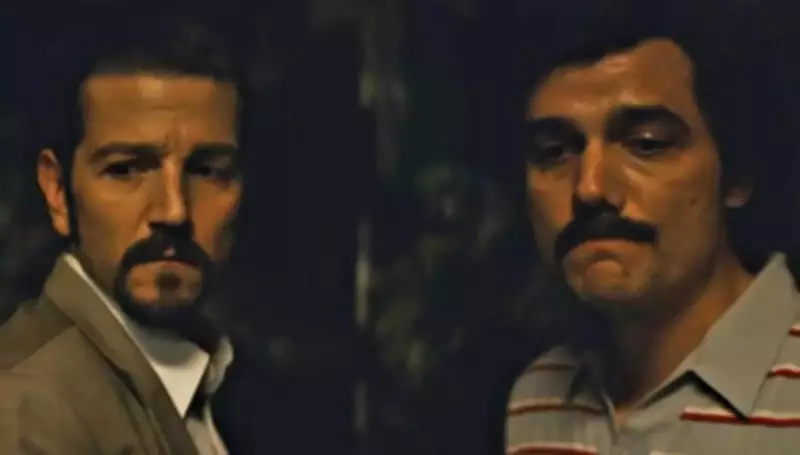
For global audiences, Mexican cartels first materialize through Netflix series like Narcos: Mexico and El Chapo, which craft a visual grammar of cartel power. These shows portray figures like Diego Luna's Miguel Ángel Félix Gallardo as rational architects imposing order on chaos, while Marco de la O's Joaquín "El Chapo" Guzmán embodies feudal succession. However, this televised coherence is an illusion; real cartels operate as unstable ecosystems of traffickers, financiers, and corrupt officials, cooperating or fighting based on profit, not discipline.
The Colombian Origins of Mexican Cartel Power
Mexican cartels ascended not solely through domestic prowess but due to Colombian necessity. In the late 20th century, Colombian producers like Pablo Escobar, immortalized by Wagner Moura in Narcos, excelled in cocaine production but struggled with U.S. distribution. Mexican smugglers, with decades of evasion expertise, became indispensable partners. Initially paid in cash, they soon demanded payment in product, shifting from intermediaries to market controllers. This transformation turned Mexico from a mere corridor into a narcotics epicenter, irreversibly altering global trafficking dynamics.

Architectural Control and Post-9/11 Evolution
Félix Gallardo's territorial plaza system, though dramatized in Narcos: Mexico, introduced a structural innovation that organized trafficking geographically. His 1989 arrest revealed the system's resilience, as it fragmented into competing entities like El Chapo's Sinaloa organization. The 9/11 attacks inadvertently strengthened cartels by hardening U.S. borders, which concentrated power in Mexico's land routes. Cartels adapted with tunnels and maritime logistics, evolving into sophisticated enterprises that thrived under increased enforcement.
Synthetics and the Rise of El Mencho
The shift from cocaine to synthetic drugs like methamphetamine and fentanyl revolutionized cartel economics, enabling local manufacturing and higher profits. Nemesio Oseguera Cervantes, known as El Mencho, epitomized this mature phase with his Cartel de Jalisco Nueva Generación (CJNG). Unlike predecessors, CJNG operated as a decentralized, multi-sector criminal enterprise, showcasing structural resilience beyond any leader. El Mencho's 2026 death triggered violent reorganization, mirroring Forsyth's Cobra, where leader removal unleashes chaos, yet the system persists.
The Enduring Cartel System Beyond Fiction
Forsyth's Cobra illustrates a critical truth: cartel systems, built on structural incentives, survive individual downfalls. In reality, cartels reorganize and adapt, indifferent to leadership changes. As Netflix narratives focus on personalities, the deeper lesson is that geography, economics, and demand perpetuate these organizations. The next successor is already emerging, shaped by the same forces that produced El Mencho, ensuring the cartel saga continues unabated.