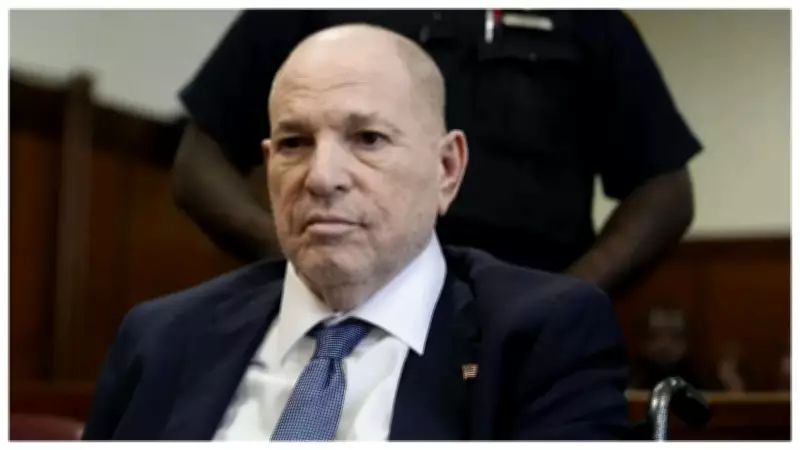
Harvey Weinstein Returns to Court for New York Retrial on Rape Charge
After years of legal turmoil, prison time, and infamy linked to the #MeToo movement, former Hollywood mogul Harvey Weinstein is once again standing trial in New York City. The disgraced film producer faces a rape charge in a retrial that began with jury selection on Tuesday, marking the third time jurors will deliberate on allegations involving hairstylist and actor Jessica Mann.
Streamlined Proceedings and Jury Selection Challenges
The current trial is more focused than previous proceedings, which featured a wide array of accusations. Weinstein, who has consistently denied all allegations, stated in court earlier this year, "I acted wrongly, but I never assaulted anyone." Despite this, the retrial is anticipated to last up to six weeks, posing challenges for jury selection.
During initial screening on Tuesday morning, over 80 prospective jurors requested to be excused, citing concerns about the trial's length and their ability to remain impartial in such a highly publicized case. Approximately 60 individuals remained for further questioning in the afternoon, highlighting the difficulties in assembling a fair jury.

Prosecutors Introduce Potential New Evidence
In a surprising development before jury selection, prosecutors indicated they might present new evidence. Manhattan Assistant District Attorney Candace White revealed that a court officer recently came forward, claiming to have heard Weinstein make a remark six years ago during his 2020 sexual assault conviction, which was later overturned.
According to the officer, Weinstein allegedly said, "If you had seen these girls, you would have done the exact same thing." Weinstein's defense team, led by attorney Marc Agnifilo, has urged Judge Curtis Farber to exclude this alleged remark from the trial, arguing it is "far-fetched" and too late to introduce.
Changes in Defense Strategy and Team
The retrial features a new defense team, with Marc Agnifilo and his partners taking over in February. They replaced longtime Weinstein lawyer Arthur Aidala, who stepped aside to focus on appeals and civil matters. Both attorneys are prominent New York defense lawyers, but their styles differ significantly—Aidala is known for a folksy approach, while Agnifilo is more formal and buttoned-up.
Weinstein, once a powerful figure in Hollywood with hits like "Shakespeare in Love" and "Pulp Fiction," also served as a major Democratic donor. His fall from grace began in 2017 when sexual harassment and assault allegations surfaced in the media, fueling the global #MeToo movement.
A Complex Legal History and Ongoing Appeals
Weinstein's legal battles have been tangled and extensive. He was criminally charged in New York in 2018 and in Los Angeles in 2020, leading to trials with mixed outcomes. His initial New York convictions were overturned, prompting a retrial last year that resulted in a partial verdict.
In that retrial, Weinstein was convicted of forcing oral sex on production assistant Miriam Haley in 2006 but acquitted of similar charges involving model-turned-psychotherapist Kaja Sokola. The jury could not reach a decision on the rape charge involving Jessica Mann due to a foreperson's refusal to continue deliberations.
Mann has testified that she had a consensual, on-and-off relationship with Weinstein, who was married at the time. However, she described an incident in 2013 where he cornered her in a Manhattan hotel room during a weekend getaway. She told jurors she protested, saying, "I don't want to do this," but eventually "just gave up" after persistent advances.
Weinstein's Health and Future Legal Prospects
Weinstein, now 73 years old, has not testified in any of his trials. His defense has argued that he never engaged in non-consensual sex, claiming accusers willingly participated to advance their careers in show business. The accusers, however, maintain that Weinstein used his Hollywood influence to lure and victimize them.

Currently, Weinstein is appealing his Los Angeles verdict and is expected to appeal the New York conviction involving Miriam Haley, which carries a potential sentence of up to 25 years in prison. The current rape charge is a lower-level felony with a maximum penalty of four years, but Weinstein has already served longer than that.
Suffering from various health issues and using a wheelchair, Weinstein told the judge in January that his "mental state is collapsing" while incarcerated at New York's notorious Rikers Island jail. As the retrial progresses, it adds another chapter to a saga that has reshaped conversations about power, abuse, and accountability in the entertainment industry.