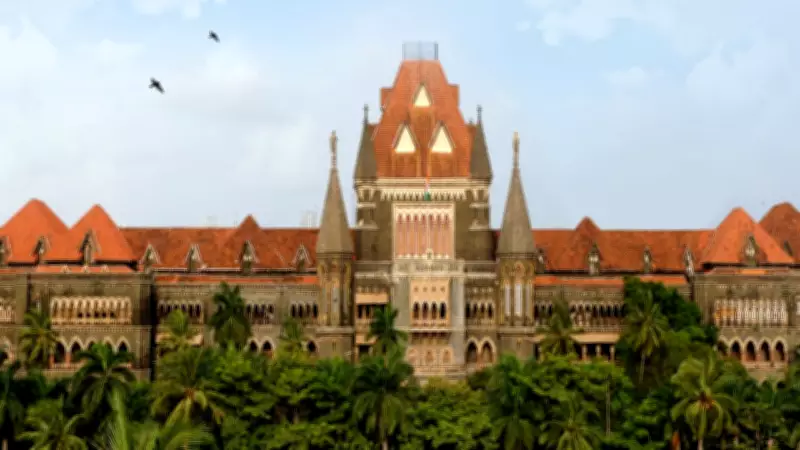
Bombay High Court Orders Protection for Shatrughan Sinha's Iconic Persona
In a landmark ruling, the Bombay High Court has decisively intervened to shield veteran Bollywood actor Shatrughan Sinha from widespread online exploitation. The court issued a resounding "Khamosh" to numerous social media platforms, celebrity blogs, e-commerce sites, and other digital entities that have been infringing upon Sinha's unique persona for commercial motives.
Court's Interim Order Against Unauthorized Exploitation
The High Court passed an interim order on February 16, specifically designed to protect the 79-year-old actor's name, likeness, image, and distinctive persona. This legal action targets both known and unknown individuals and websites that have created fabricated profiles to impersonate Sinha, leveraging his fame for unauthorized commercial exploitation.
Justice Sharmila Deshmukh, presiding over the single-judge bench, emphasized in her order that Sinha "has a unique style of dialogue delivery and is especially known for the unique manner of delivery of the term 'Khamosh', which is widely recognised and associated with the Plaintiff." This iconic delivery style earned him the screen name "Shotgun," further cementing his legendary status in Indian cinema.

Legal Grounds and Violations Cited
The court noted that the protection of personality rights can be prima facie traced to provisions under the Trade Marks Act, 1999, as well as moral rights safeguarded by the Copyright Act. Sinha filed a John Doe commercial suit, seeking orders against unknown perpetrators and specific platforms, including a pornographic website.
Through his counsel, Hiren Kamod, Sinha pursued a permanent and mandatory injunction to halt the ongoing infringement and unauthorized commercial use of his personality rights. These rights encompass his name, screen name, unique dialogue delivery, likeness, voice, performance style, mannerisms, and other identifiable attributes.
Evidence of Digital Manipulation and AI Misuse
The High Court highlighted that the material on record clearly demonstrates infringement through the creation of fake profiles on social media platforms, digitally manipulated photographs, and AI-generated content uploaded across multiple websites. Justice Deshmukh observed, "The present case is one such instance of misuse and unauthorised exploitation of the personality rights of a well-known individual."
Kamod argued for the protection of Sinha's personality and moral rights, as well as restraint against passing-off. He submitted that Sinha's personality attributes constitute valuable rights, which have been commercially exploited without authorization across various mediums, making the defendants liable for the tort of passing-off.
Broader Implications for Personality Rights in the Digital Age
The court underscored that Sinha's "personality attributes are protectable elements of the Plaintiff's personality right as well as right to publicity." It noted that the concept of personality rights has gained significant momentum due to unauthorized exploitation on digital platforms for commercial gain, often resulting in tarnishing the reputation of renowned individuals.
Justice Deshmukh added that Sinha is not only a celebrated actor with numerous awards but also an active figure in national and regional politics, contributing to various social and welfare issues. The court firmly stated, "There cannot be any justification for misutilising Shatrughan Sinha's personality for commercial exploitation, which ultimately results in dilution and tarnishing the Plaintiff's image."
Understanding Personality Rights in Modern Context
Personality rights broadly encompass the exclusive use of one's name, style, voice, and persona. With the advent of artificial intelligence, digital forgeries have proliferated, leading to increased violations of these rights. The High Court found sufficient evidence in this case to demonstrate clear infringement of Sinha's personality rights, setting a precedent for similar cases in the future.
The creation and dissemination of digital content without the actor's authority constitute a serious violation of his rights, as affirmed by the court's order. This ruling serves as a crucial step in combating the misuse of celebrity personas in the rapidly evolving digital landscape.