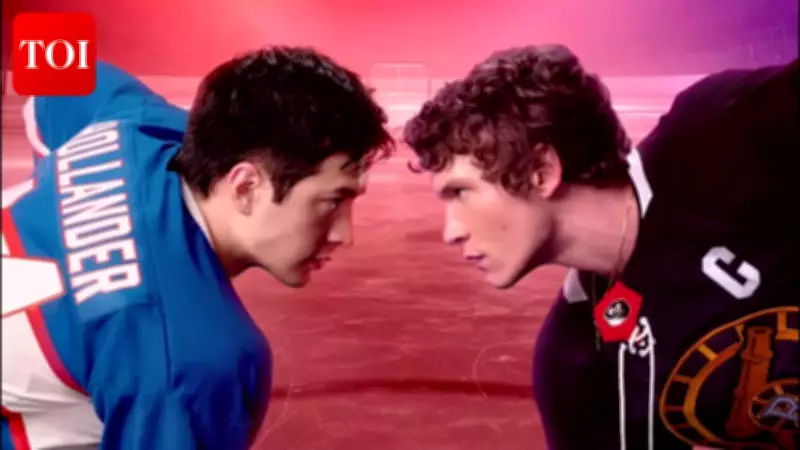
Heated Rivalry Star Hudson Williams Takes Stand Against Toxic Online Fan Behavior
Hudson Williams, the breakout star of the massively popular Canadian television series Heated Rivalry, has issued a powerful public rebuke against a wave of hateful online posts directed at the show and its cast. The hockey-themed drama, which has achieved global phenomenon status, has unfortunately inspired intense and often toxic fan engagement across social media platforms.
A Global Hit Marred by Online Harassment
The show, which chronicles the budding careers and secret romantic relationship between two young male hockey stars—one Canadian and one Russian—over several years, premiered on the Canadian streaming service Crave in late November. Its subsequent release on HBO Max propelled it to become one of the platform's most popular offerings by Christmas, transforming previously unknown actors like Williams and his co-star Connor Storrie into international celebrities.
However, this meteoric success has been accompanied by a dark side: a surge of homophobic, racist, and otherwise bigoted comments from certain segments of the online audience. Showrunner Jacob Tierney has previously expressed alarm, noting in a recent podcast interview that people have said "horrible things about my actors and about characters."

Williams's Unambiguous Message on Instagram
Lead actor Hudson Williams, who portrays Canadian hockey star Shane Hollander, directly addressed this issue in a pointed Instagram post. "Don't call yourself a fan if you share racist/homophobic/biphobic/misogynist/ageist/ableist/parasocial/bigoted comments of any kind," Williams stated unequivocally. He added, "None of us need your hateful 'love.'" The post, shared on Monday, served as a clear boundary-setting message to the show's viewership.
His stance was echoed and supported by several other key figures involved with Heated Rivalry. The same statement was shared by actor Francois Arnaud, showrunner Jacob Tierney, and Rachel Reid, the author of the hockey-themed queer romance novels that inspired the television adaptation. This collective action underscores a unified front against the toxic elements within the fandom.
The Broader Context of Toxic Fan Engagement
The incident highlights a growing concern in the entertainment industry regarding toxic fan engagement. As shows with diverse and LGBTQ+ themes gain mainstream popularity and global reach, they can sometimes attract backlash from viewers who espouse prejudiced views. The cast and creators of Heated Rivalry are now actively pushing back, defining what constitutes acceptable support and condemning harassment disguised as fandom.
This move by Williams and his colleagues is not just about defending their work; it is a public stand for inclusivity and respect in digital spaces. It signals that success will not come at the cost of enduring hate speech, setting a precedent for how creative teams might address similar challenges in the future.