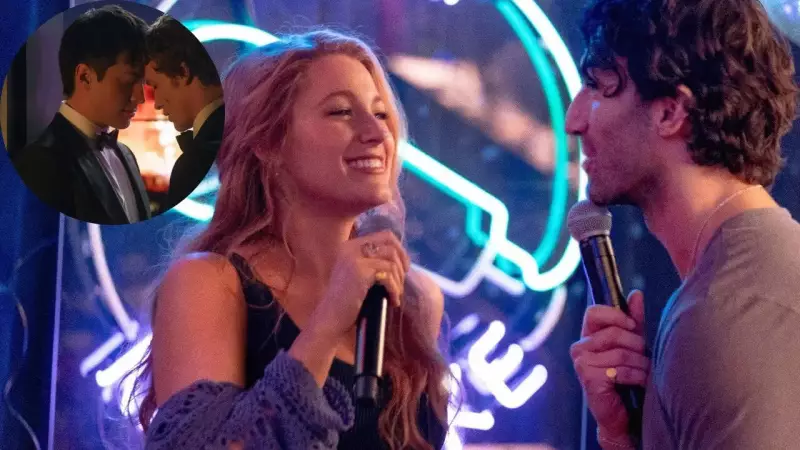
The ongoing legal confrontation between actress Blake Lively and director Justin Baldoni has evolved into one of Hollywood's most sensational and complex dramas, capturing widespread media attention and sparking intense debates about workplace conduct in the entertainment industry.
The Origins: Blake Lively's Multi-Million Dollar Lawsuit
In December 2024, Blake Lively initiated legal proceedings against her director and co-star Justin Baldoni, along with his production company Wayfarer Studios, seeking damages exceeding $160 million. The lawsuit centers on allegations of a toxic work environment during the filming of the movie 'It Ends With Us.' Lively has accused Baldoni of inappropriate physical contact during intimate scenes and subsequent attempts to damage her professional reputation when she raised concerns.
The actress claims the experience caused significant emotional distress and constituted harassment that created a hostile workplace atmosphere. These allegations have brought renewed scrutiny to power dynamics and professional boundaries on film sets.

Counterattack and Legal Setbacks for Justin Baldoni
Justin Baldoni responded aggressively to Lively's accusations, filing a countersuit in 2025 that sought $400 million in damages from Lively, her husband Ryan Reynolds, and her publicist. Baldoni alleged defamation and interference with his career prospects.
However, this legal maneuver proved unsuccessful when a federal judge dismissed the countersuit, ruling that Lively's statements were protected speech and did not meet the legal threshold for defamation. Undeterred, Baldoni's legal team filed another motion in January 2026 seeking dismissal of Lively's original lawsuit, arguing that improvisational moments during filming don't constitute harassment under existing laws.
The Unexpected Connection to 'Heated Rivalry'
In a surprising legal strategy, Baldoni's attorneys referenced the popular gay hockey drama series 'Heated Rivalry' during court proceedings. Their argument suggested that spontaneous, unscripted intimate scenes between actors are common practice in television and film production, using the series as an example of how such moments don't automatically equate to harassment.
This comparison has generated significant controversy, with critics arguing that Baldoni's defense team is attempting to conflate consensual, professionally managed scenes with alleged boundary violations. Lively's legal representatives have countered that the core issue involves consent and professional conduct rather than creative improvisation.
Celebrity Involvement and Media Frenzy
The case has drawn several high-profile figures into its orbit, most notably pop superstar Taylor Swift. Court documents have revealed text messages between Swift and Lively showing the singer's support for her friend during the alleged incidents. This celebrity connection has amplified media coverage and public interest in the proceedings.
The lawsuit has transformed into a public spectacle with entertainment journalists, industry professionals, and fans closely monitoring every development. Beyond the specific allegations, the case has become a focal point for broader conversations about power structures, consent protocols, and accountability mechanisms within Hollywood's production culture.
Upcoming Trial and Legal Strategies
The trial is scheduled to commence on May 18, 2026, with Judge Lewis J. Liman presiding over proceedings in Manhattan. While Baldoni's legal team continues efforts to have the case dismissed before trial, Lively's attorneys are preparing to present evidence they believe demonstrates patterns of harassment, retaliation, and workplace hostility.
Legal experts anticipate the trial will address fundamental questions about professional boundaries in creative industries, potentially establishing important precedents for how similar cases are handled in the future. Both sides appear prepared for a protracted legal battle that could have lasting implications for Hollywood's production practices and workplace standards.