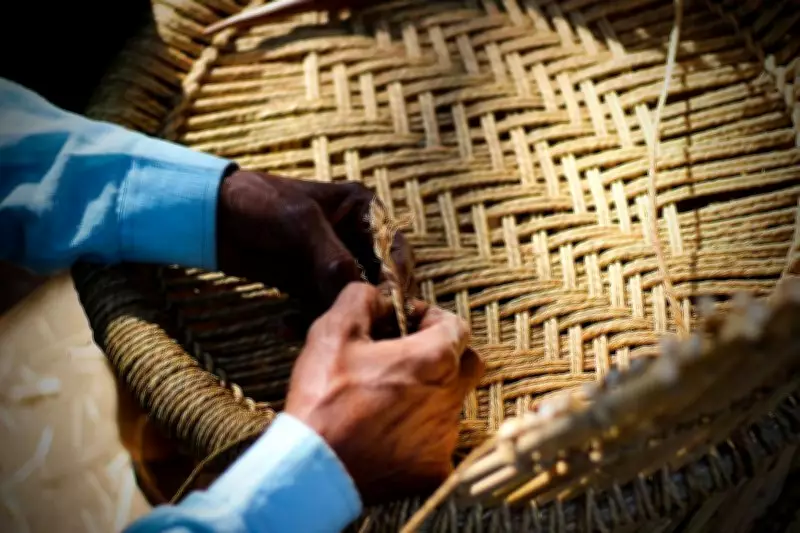
The Indira Gandhi National Centre for the Arts (IGNCA) in New Delhi will open a new exhibition on Tuesday, June 23, 2026, titled ‘Living Heritage in Metal, Bamboo and Clay: Traditional Utensils of Northeast India’. The exhibition celebrates the artistry and everyday lives of communities in Northeast India through household utensils often overlooked in an age of mass production.
Exhibition Details and Collaborations
Organised by the National Mission on Cultural Mapping (NMCM) in collaboration with the North Eastern Handicrafts and Handlooms Development Corporation Limited (NEHHDC), the exhibition will be held at IGNCA’s Darshanam-I and II Galleries on Janpath. It will remain open to visitors until July 2, 2026. The inauguration will be led by Culture Secretary Vivek Aggarwal.
Showcasing Craftsmanship and Cultural Practices
The display includes intricately crafted bamboo containers and baskets, clay vessels, and bell-metal utensils. According to organisers, these objects are not merely artefacts but living expressions of identity, memory, and a sustainable relationship with nature. The exhibition highlights generations of inherited craftsmanship, ecological knowledge, and cultural practices that have remained integral to life in the region for generations.

Monographs on Traditional Crafts
Alongside the exhibition, two monographs—Bell-Metal Craft of Assam and Chiteri Art of Bundelkhand—will be released. These publications document traditional craft practices and aim to contribute to the preservation of India’s artistic heritage. Officials stated that the event is expected to attract researchers, artists, and members of the public interested in understanding how ordinary objects can reveal extraordinary stories about culture, community, and heritage.
Context and Significance
At a time when traditional crafts face increasing pressure from industrialisation and changing consumer preferences, the exhibition offers visitors an opportunity to engage with living traditions that continue to shape everyday life in many parts of India. The displayed utensils are handcrafted from natural materials and reflect a deep connection to the environment and community identity.