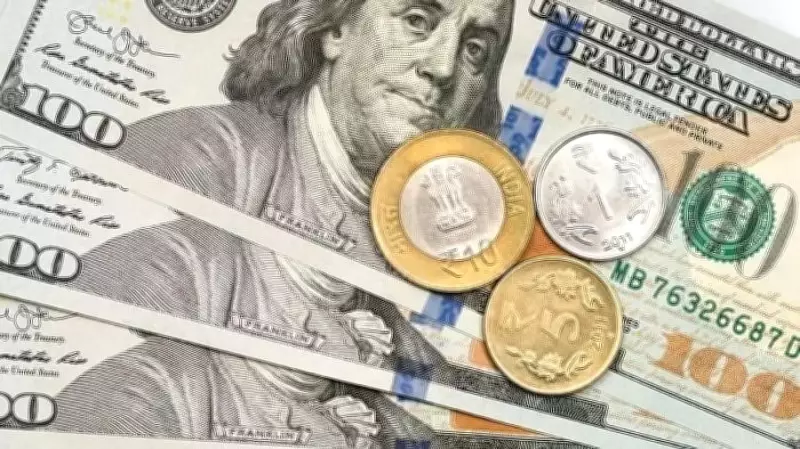
The Indian rupee weakened by 6 paise to 94.69 against the US dollar in early trade on Tuesday, June 23, 2026, at the interbank foreign exchange market. The domestic currency opened at 94.73 per dollar before inching up to 94.69, still lower than its previous close of 94.63.
Market Drivers Behind the Decline
Forex traders attributed the rupee's fall to a combination of factors, including a muted trend in domestic equities and sustained selling pressure from foreign institutional investors (FIIs). The dollar index, which gauges the greenback's strength against a basket of six major currencies, traded marginally higher, adding to the rupee's woes.
According to analysts, the rupee remains under pressure due to persistent foreign fund outflows from Indian equity markets. In June so far, FIIs have pulled out over $2 billion from Indian stocks, exacerbating the currency's weakness.

Domestic Equity Market Impact
The benchmark BSE Sensex slipped 150 points in early trade to 58,200 levels, while the NSE Nifty50 declined 45 points to 17,350. The negative sentiment in equities further dampened investor appetite for the rupee.
Meanwhile, crude oil prices remained elevated near $85 per barrel, posing additional headwinds for the Indian currency as the country imports nearly 85% of its oil requirements. A higher import bill typically widens the current account deficit and pressures the rupee.
Broader Economic Context
The rupee has been under pressure in recent weeks amid global monetary tightening and risk-off sentiment. The Reserve Bank of India (RBI) has been intervening intermittently to curb excessive volatility, but the currency continues to trade near its all-time low levels.
Market participants are now awaiting cues from the US Federal Reserve's policy stance and domestic inflation data for further direction. The rupee is expected to trade in a range of 94.50 to 95.00 in the near term, according to forex dealers.