Cinematic Diplomacy: India and Russia Strengthen Ties Through Film Festivals
In a significant display of cultural diplomacy, India and Russia have recently engaged in reciprocal film festival exchanges, underscoring the deepening cinematic relationship between the two nations. Following an Indian delegation's visit to Russia for the Indian Film Festival, a Russian contingent comprising actors, producers, and film industry stakeholders traveled to India for the Russian Film Festival. This bilateral initiative highlights the ongoing cultural and cinematic collaboration that is bridging geographical distances through the universal language of cinema.
Firsthand Experience from a Bilateral Cultural Ambassador
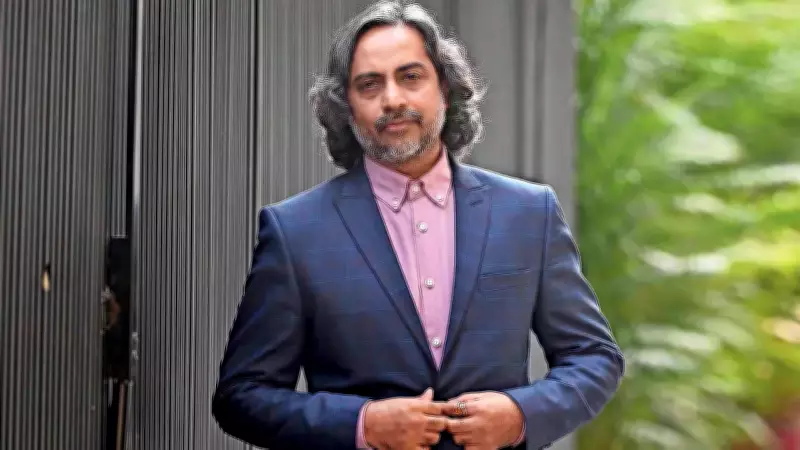
Sarfaraz Alam Safu, an accomplished actor and producer known for his work in films like Zero and Sardar Udham, participated in both delegations. Having spent considerable time in Russia, Safu provided unique insights into these cultural exchanges. "It was a great initiative by the Indian Embassy in Moscow and in Tatarstan," he remarked. "They organized the business dialogue under Waves Bazaar and the Indian Film Festival. The response was huge, and the organizational level was very good."
Safu shared that his films Snow Flower and Gems were screened in Moscow, Tatarstan, and St. Petersburg during the festival. "The response was great. Russians were crying while watching Snow Flower," he revealed, expressing gratitude to the Embassy for facilitating this cultural bridge.

Identifying the Right Partners for Co-Productions
Addressing the practical aspects of collaboration, Safu emphasized the mutual enthusiasm for co-productions while noting a crucial gap. "We lack understanding of the real players who can convert the conversation into a product," he observed. Through panel discussions in both countries, he realized the need to identify individuals who can genuinely bring projects to fruition.
Safu pointed to a unique opportunity for Indian filmmakers: "Hollywood films are currently banned in Russia, so this is the prime time for Indian filmmakers to enter the market. It is a huge market. They love Indian films, but they don't know what is being released or when." He lamented the absence of proper distribution channels and the diminished presence of Indian producers and actors compared to earlier eras featuring icons like Raj Kapoor and Mithun Chakraborty.
With four Indo-Russian co-productions to his credit, Safu elaborated: "Indian filmmakers find Russia intriguing, and for Russian filmmakers, India is the perfect location – heaven. Russia also has huge geography. But people need to tap into the right stakeholders to convert dialogue into real work."
The Crucial Role of Cultural Understanding
Safu stressed the importance of cultural comprehension in these exchanges. "Such delegations help in networking. Understanding of language and culture for both sides is very important," he asserted. He recommended that individuals traveling to Russia familiarize themselves with Russian films, writers, and filmmakers, and vice versa for Russians visiting India.
He also highlighted a notable omission in delegation compositions: "While delegations are taken every time, there are never writers in the delegation. Writers should be taken to both the countries." Safu shared a concrete example of how these interactions foster collaboration, recounting how he met the producer of his film Gems at a previous Russian Film Festival. This encounter led to discussions about shooting parts of the film in India, ultimately resulting in scenes being created for iconic locations like the Taj Mahal.
Official Engagements and Broader Cultural Impact
The Indian Film Festival in Russia was organized by the Embassy of India with support from the Ministry of Culture of the Russian Federation, spanning multiple cities including St. Petersburg, Moscow, Kazan, Yakutsk, and Vladivostok. In Russia, Ambassador Vinay Kumar inaugurated the festival in Kazan alongside Tatarstan Deputy Prime Minister Leyla Fazleeva and Deputy Culture Minister Damir Natfullin during the India–Russia Business Forum.

In India, the Russian delegation's visit to Delhi coincided with President Vladimir Putin's visit, featuring a business session titled Cinema as a Cultural Bridge: From Shared Values to Joint Projects. A special programme of open screenings in Delhi was presented by the Russian Cultural Foundation in partnership with ROSKINO and the Ministry of Culture of the Russian Federation, showcasing films from Russia, Belarus, Serbia, Turkmenistan, Uzbekistan, and Kyrgyzstan.
This series of events demonstrates how cinema serves as a powerful cultural bridge, fostering mutual understanding and creating tangible opportunities for collaboration between India and Russia. As both nations continue to explore their cinematic potential together, these festivals and exchanges pave the way for deeper cultural integration and creative partnerships.