Indian Films That Made Oscar History: From Mother India to RRR
For over nine decades, the Academy Awards have represented the pinnacle of global cinematic achievement. In India, a nation that produces thousands of films annually across numerous languages, the path to Oscar recognition has been neither straightforward nor simple. It has required decades of dedication, immense passion, and several truly unforgettable cinematic moments. While filmmaker Satyajit Ray received an Honorary Academy Award for Lifetime Achievement in 1992, the recognition of Indian films at this elite international level remains a rare accomplishment, largely due to the significant cultural and linguistic barriers that must be overcome.
Nevertheless, a select group of Indian movies has successfully achieved this feat. Some have earned nominations in major categories, while others have secured historic wins. Emerging filmmakers continue to build upon this legacy, with each groundbreaking film reshaping global perceptions of Indian cinema. Let us delve into the Indian films that have left an indelible mark on the Oscar stage.
Mother India (1957)
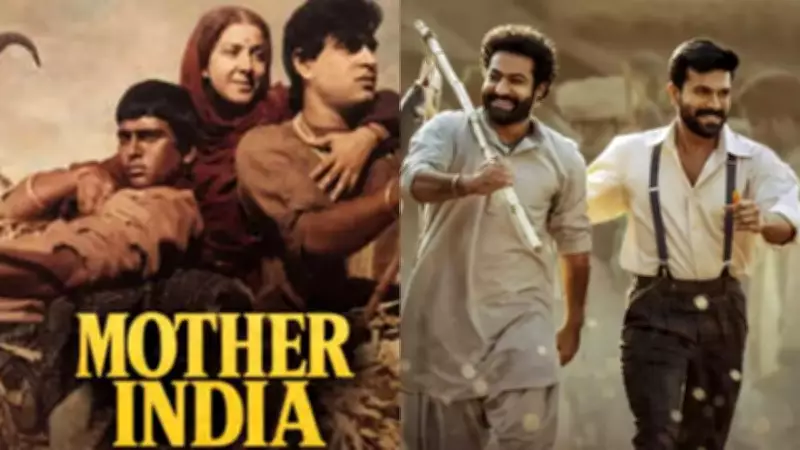
This is where the journey truly began. Mehboob Khan's Mother India became the first Indian film to receive an Oscar nomination, competing in the Best Foreign Language Film category in 1957. Featuring Nargis in the lead role as Radha, a impoverished village woman striving to raise her sons with dignity amidst severe poverty and a ruthless moneylender, the film did not win the coveted golden statue. However, the nomination itself was a monumental achievement, placing Indian storytelling on the world map and demonstrating that India had powerful narratives to share.

Gandhi (1982)
Directed by Richard Attenborough, Gandhi chronicles the extraordinary life of Mahatma Gandhi, the iconic leader of India's freedom movement. Although it was a co-production between India and the United Kingdom and primarily a British project, Indian talent and perspectives were deeply embedded throughout. The film made a tremendous impact at the Oscars, securing 11 nominations and winning eight awards, including Best Picture, Best Director, and Best Actor for Ben Kingsley. Additionally, Bhanu Athaiya made history by becoming the first Indian to win an Oscar, receiving the award for Best Costume Design.
Salaam Bombay! (1988)
More than thirty years later, Mira Nair's Salaam Bombay! earned another Best Foreign Language Film nomination, becoming the second Indian film to reach this milestone. The movie follows a group of street children struggling to survive in Mumbai's slums, offering a raw, honest, and realistic portrayal of their lives. A distinctive aspect of the film was its casting of actual street children, who were trained specifically for their roles. Salaam Bombay! was widely praised for its innovative approach, unflinching depiction of poverty and resilience, and its ability to provide a glimpse into a side of India previously unseen by global audiences.
Lagaan (2001)
Directed by Ashutosh Gowariker and starring Aamir Khan, who also produced the film, Lagaan received a Best Foreign Language Film nomination at the 2002 Oscars. Set during British colonial rule, the story revolves around a group of villagers who wager everything on a cricket match against their colonial oppressors to avoid paying oppressive taxes, known as lagaan. The film's unique blend of sports, history, and music resonated with audiences worldwide. Although it did not win the Academy Award, Lagaan remains one of the most celebrated Indian Oscar contenders in history.
Slumdog Millionaire (2008)
Slumdog Millionaire, a British-Indian co-production directed by Danny Boyle, is fundamentally an Indian story at its core, featuring an Indian narrative, cast, and music. The film became a sensation at the 2009 Oscars, winning eight awards, including Best Picture and Best Director. Indian artists played a crucial role in this success: A.R. Rahman won two Oscars for Best Original Score and Best Original Song (Jai Ho), Gulzar also won for Best Original Song, and Resul Pookutty secured the award for Best Sound Mixing.

Writing With Fire (2021)
In recent years, Indian documentaries have also begun to make significant strides. Writing With Fire, directed by Rintu Thomas and Sushmit Ghosh, became the first Indian feature documentary to receive an Oscar nomination for Best Documentary Feature. The film follows the courageous journalists of Khabar Lahariya, a news outlet run by Dalit women in rural India, as they transition from print to digital reporting. This nomination highlighted the growing global recognition of India's powerful grassroots stories.
RRR (2022)
S.S. Rajamouli's blockbuster RRR not only captivated audiences but also made Oscar history. The song Naatu Naatu, composed by M.M. Keeravani and written by Chandrabose, won the Best Original Song award at the 2023 Oscars. The electrifying dance performance and infectious rhythm went viral on the Academy Awards stage, marking the first time a song from an Indian film secured this prestigious honor.
All That Breathes (2022)
Shaunak Sen's All That Breathes elevated Indian documentary filmmaking further by earning a nomination for Best Documentary Feature. The film tells the story of two brothers in Delhi who dedicate their lives to rescuing black kites and other birds injured by the city's severe air pollution. Its poetic storytelling and compelling environmental message garnered widespread acclaim from critics and audiences alike.
The Elephant Whisperers (2022)
Directed by Kartiki Gonsalves and produced by Guneet Monga, The Elephant Whisperers did not just receive a nomination—it won the Oscar for Best Documentary Short Film. The heartwarming documentary follows Bomman and Bellie, an indigenous couple in Tamil Nadu, as they care for an orphaned baby elephant named Raghu. Its heartfelt and authentic narrative made history as the first Indian production to win in this category.