India's Oscar Journey: A Decade of Evolving Cinematic Voices
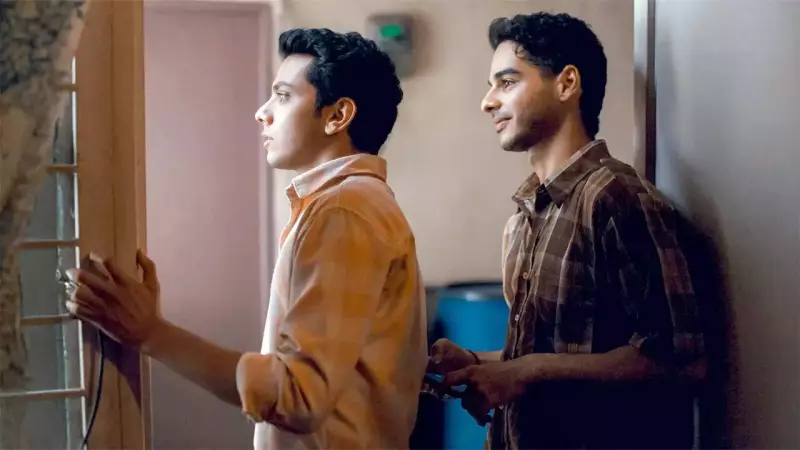
The 98th Academy Awards nominations have been announced, concluding weeks of global anticipation. In India, all eyes were on Homebound, directed by Neeraj Ghaywan, which reached the final shortlist in the Best International Feature Film category but ultimately missed securing a nomination. Backed by Dharma Productions under Karan Johar's leadership, the film features performances by Ishaan Khatter, Vishal Jethwa, and Janhvi Kapoor. Attention now shifts to Oscar frontrunners including One Battle After Another and Sinners. The ceremony is scheduled for March 15, with Conan O'Brien serving as host.
Homebound (2025): Grounded Storytelling Takes Center Stage
Homebound represents India's latest official Oscar entry, continuing a noticeable trend toward more grounded, intimate storytelling. The film explores profound themes of displacement, belonging, and emotional return that resonate across global audiences. By focusing on personal loss rather than cinematic spectacle, Homebound aimed to create universal connections that transcend geographical boundaries. Its selection suggests India's growing confidence in subtle narratives that trust viewers to engage with silence and deep emotional undercurrents.
Laapataa Ladies (2024): Humor Meets Social Commentary
Laapataa Ladies successfully blended humor with sharp social observation. Produced by Aamir Khan and directed by Kiran Rao, the film follows two brides accidentally swapped during a train journey. Beneath its gentle comedic surface lies incisive commentary on patriarchy and rural life dynamics. The selection received widespread praise for balancing accessibility with meaningful insight, presenting a distinctly Indian story told with exceptional warmth and narrative clarity.

2018 (2023): Disaster Narratives with Human Focus
2018 revisited the devastating Kerala floods through multiple interconnected human stories. Directed by Jude Anthany Joseph, the film emphasized survival, resilience, and collective human effort. Its large ensemble cast and emotional scale distinguished it from quieter recent entries. This Oscar submission reflected India's willingness to present disaster narratives firmly rooted in real events and shared national trauma.
Chhello Show (2022): Nostalgic Tribute to Cinema
Released internationally as Last Film Show, this Gujarati film served as a nostalgic tribute to cinema itself. Directed by Pan Nalin, the story follows a young boy discovering movies in a rural town. Partly inspired by the director's childhood, it celebrated theatrical viewing experiences in an increasingly digital age. The entry struck a powerful emotional chord, particularly amid growing concerns about vanishing single-screen theaters across India.
Koozhangal (2021): Minimalist Storytelling Approach
Also known as Pebbles, this Tamil film represented an austere, emotionally spare selection. Directed by Vinothraj PS, it traces a father and son walking through harsh landscapes following a domestic dispute. The film utilized silence and terrain as primary storytelling tools. Its selection signaled India's continued faith in minimalist cinema rooted in authentic lived experiences rather than cinematic spectacle.
Jallikattu (2020): Visceral Cinematic Experience
Jallikattu offered a visceral, chaotic entry from Malayalam cinema. Directed by Lijo Jose Pellissery, the film follows a village descending into frenzy after a buffalo escapes. With pounding sound design and relentless pacing, it explored primal human instincts and mob mentality dynamics. Jallikattu later became only the third Indian film to reach the Oscars shortlist, earning rare international recognition for its distinctive approach.

Gully Boy (2019): Mainstream Energy Meets Social Reality
Gully Boy brought mainstream energy to India's Oscar journey. Inspired by Mumbai's underground rap scene, starring Ranveer Singh and Alia Bhatt, and featuring original hip-hop tracks, the film blended social reality with commercial appeal under Zoya Akhtar's direction. Gully Boy also marked India's first submission chosen through the newly introduced Film Federation screening process.
Village Rockstars (2018): Intimate Story from India's Margins
Village Rockstars represented a deeply personal selection from Assam. Written, directed, shot, and edited by Rima Das, the film follows a young girl dreaming of forming a rock band. Made on a shoestring budget with local actors, it captured rural life with exceptional warmth and honesty. Its Oscar submission highlighted how small, intimate stories from India's geographical and cultural margins could achieve significant international reach.
Newton (2017): Political Satire with Restrained Tone
Newton distinguished itself through sharp political satire. Starring Rajkummar Rao, the film follows an earnest election officer working in a conflict zone. Its humor remained dry, its messages pointed, and its tone refreshingly restrained. Newton later achieved the rare accomplishment of making the Oscar shortlist, sparking domestic debates about democracy, duty, and the gap between procedural ideals and ground realities.
Visaranai (2016): Uncompromising Confrontation of Power
Visaranai became India's official entry after winning significant international acclaim. Directed by Vetrimaaran, this Tamil film exposed custodial violence through a harrowing, realistic lens. Based on real-life experiences and avoiding melodrama, it allowed brutality to speak plainly. Having premiered at Venice and won the Amnesty International award, Visaranai reinforced how regional Indian cinema could confront power structures and injustice without artistic compromise.
Court (2015): Quiet Realism That Started the Journey
Court marked India's official Oscar entry with its quiet, courtroom realism. Directed by Chaitanya Tamhane, this Marathi film follows a folk singer accused under an outdated law. Its strength lay in remarkable restraint, using long takes and everyday details to demonstrate institutional mechanisms. Court traveled extensively on the festival circuit, winning awards at Venice and drawing global attention to India's independent cinema voice.
This decade-long journey from Court to Homebound reveals India's evolving cinematic identity on the global stage, showcasing diverse storytelling approaches that range from minimalist realism to mainstream narratives, all while maintaining distinct cultural authenticity.