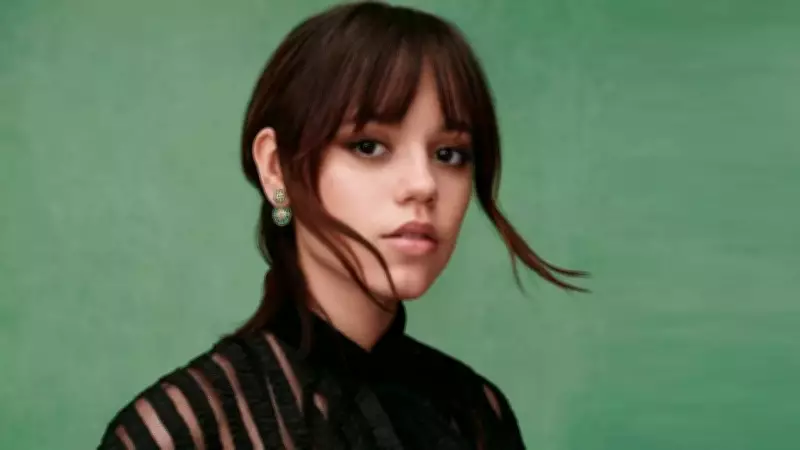
From Disney Darling to Goth Icon: The Remarkable Journey of Jenna Ortega
Long before Jenna Ortega captivated audiences worldwide as the deadpan Wednesday Addams and claimed her throne as the internet's goth queen, she was already a seasoned professional in the entertainment industry. Unlike many actors who transition from other careers, Ortega's life has been dedicated to performing from an exceptionally young age, with no "other" job preceding her acting career.
Early Beginnings: A Hollywood Childhood
Jenna Ortega was born on September 27, 2002, in Rancho Mirage, California. Her journey into acting commenced remarkably early, with her first television appearances materializing in 2012 when she was just nine years old. She made her debut on the sitcom 'Rob' and appeared in an episode of the crime drama 'CSI: NY', marking the inception of what would become a prolific career.
Shortly thereafter, Ortega secured a minor role in the blockbuster film 'Iron Man 3', portraying the vice president's daughter. Although her scenes were ultimately edited out of the final cut, the experience of working on a major Marvel production at such a tender age is a testament to her early immersion in high-profile Hollywood projects.

The Disney Breakthrough and Steady Rise
Ortega's career gained significant momentum with her role as Harley Diaz on the Disney Channel series 'Stuck in the Middle'. As the intelligent middle child in a large family, she quickly became a household name, endearing herself to audiences across the globe. This period also saw her appearing in other notable television shows, including 'Jane the Virgin', where she played Young Jane, and the Netflix series 'Richie Rich'.
These diverse roles provided Ortega with a robust foundation in the industry. She spent her formative years constantly working, honing her craft, and growing up in the public eye, which equipped her with invaluable experience and resilience.
Transition to Edgier Roles and Horror Stardom
As Ortega matured beyond her child star image, she deliberately shifted towards more mature and darker projects. She embraced the horror genre with notable performances in films such as 'The Babysitter: Killer Queen', 'X', and the revitalized 'Scream' franchise, where she portrayed Tara Carpenter.
Her compelling performances in these films earned her the moniker of Gen Z's scream queen, a title she has lived up to with remarkable skill. Ortega's talent was recognized with an MTV Movie Award for Best Frightened Performance in 'Scream'. Beyond horror, she also received critical acclaim for her dramatic work, particularly in 'The Fallout', where she delivered a poignant portrayal of a high school shooting survivor.
The Wednesday Phenomenon and Global Stardom
The year 2022 marked a pivotal moment in Ortega's career when she was cast as the lead in Tim Burton's Netflix series 'Wednesday'. Rather than merely playing the iconic character, Ortega infused Wednesday Addams with a fresh, contemporary edge, masterfully blending sharp sarcasm with a distinctive goth aesthetic.
To fully embody the role, Ortega underwent a significant transformation, cutting and dyeing her hair black, learning to play the cello, and meticulously studying the character's unique mannerisms. The series became an instant global sensation, breaking numerous streaming records and catapulting Ortega to international fame. Her performance garnered prestigious nominations at the Golden Globes and Emmys, solidifying her status as a global superstar.
Beyond Acting: Expanding Her Creative Horizons
At just 23 years old, Jenna Ortega continues to evolve as an artist. While acting remains her primary focus, she has ventured into producing, serving as an executive producer for the second season of 'Wednesday' and developing new projects. Ortega has expressed a keen interest in writing and directing, with reports indicating she has been working on a personal script for a decade.
Given her lifelong involvement in the entertainment industry, it is fitting that Ortega now seeks to tell her own stories, leveraging her extensive experience to shape narratives from behind the camera as well as in front of it.