Josh Safdie's Marty Supreme Faces Oscar Controversy Over Story Origins
As the awards season nears its climax with the Oscars and BAFTAs approaching, director Josh Safdie's film Marty Supreme is under intense scrutiny. The movie, considered a frontrunner for major awards, is embroiled in a controversy regarding the origins of its story, with the family of real-life table tennis player Marty Reisman alleging they never blessed the project.
Family of Marty Reisman Alleges Lack of Approval
According to a report by The Hollywood Reporter, the Reisman family spoke to the Daily Mail, stating that they never authorized the film or its narrative. They claimed that A24, the studio behind Marty Supreme, profited while externalizing harm and used Marty's name without proper attribution or compensation. This has cast a shadow over the film's Oscar campaign, raising questions about ethical storytelling in Hollywood.
Josh Safdie's Personal Connection to the Story
In response, Josh Safdie has defended the film as a personal project. He explained that his interest in table tennis stems from his upbringing, with several family members involved in the sport. The idea for the movie crystallized when his wife, Sara Rossein, who served as an executive producer and researcher, gave him a copy of Reisman's autobiography. Safdie emphasized that while the film draws inspiration, it is largely fictional, with similarities intended as an homage.

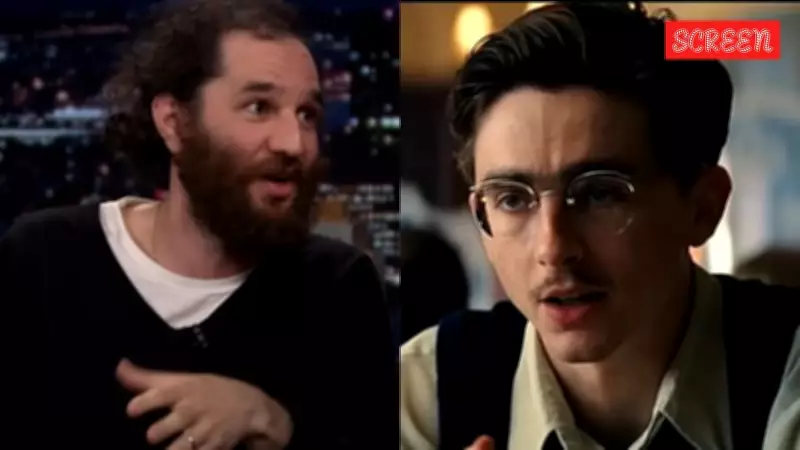
During an appearance on The Tonight Show with Jimmy Fallon, Safdie described Marty Supreme as a story about a dreamer pursuing greatness in table tennis. He stated, "As big as this movie is in terms of scope, it's a personal movie, and all my films are personal." This highlights his artistic intent, but it contrasts sharply with the family's allegations of exploitation.
Impact on Awards Season and Broader Implications
The controversy threatens to derail Marty Supreme's Oscar run, as such disputes often influence voter sentiment in the competitive awards landscape. Key points of contention include:
- The family's claim of no blessing or compensation for using Marty Reisman's name.
- Safdie's argument that the film is a fictional homage, not a biographical copy.
- The potential ethical implications for filmmakers drawing from real-life stories without explicit consent.
As the debate unfolds, it raises broader questions about the balance between artistic freedom and respect for real individuals' legacies. With the Oscars looming, the outcome of this controversy could significantly affect the film's reception and legacy in Hollywood.