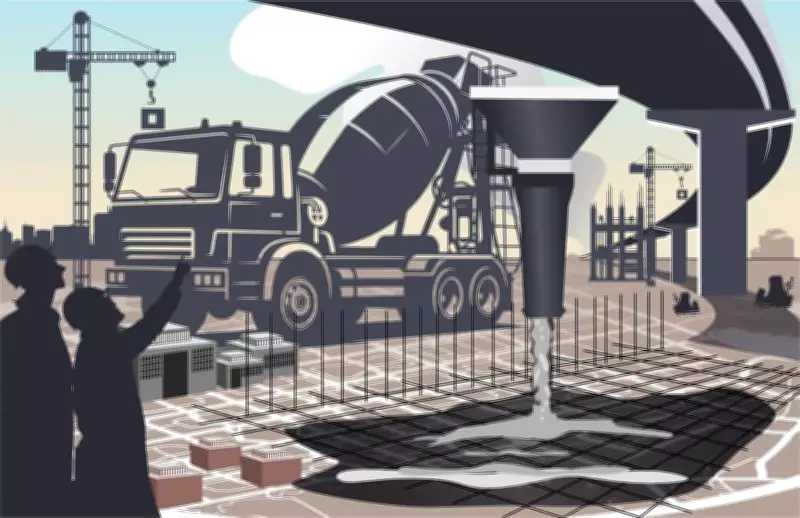
The proposed construction of the Tribune flyover in Chandigarh has ignited a fierce debate, pitting the city's need for improved traffic infrastructure against the preservation of its founding architectural vision. The flyover, intended to ease congestion at a major intersection, threatens to disrupt the carefully planned urban layout envisioned by the city's master planner, Le Corbusier.
The Vision of Le Corbusier
Chandigarh, designed in the 1950s by the Swiss-French architect Le Corbusier, stands as a testament to modernist urban planning. Its unique grid system, sector-based layout, and emphasis on green spaces and pedestrian pathways were revolutionary. The city was conceived as a symbol of a new, independent India, free from the constraints of colonial architecture. Le Corbusier's design prioritized functionality, aesthetics, and a harmonious relationship between built and natural environments.
The Tribune Flyover Proposal
The proposed flyover, located near the Tribune Chowk, aims to address the growing traffic congestion that plagues the city. Proponents argue that the flyover is essential for improving commute times and accommodating the increasing number of vehicles. However, critics contend that the structure would be a blight on the city's landscape, violating the low-rise, open-plan ethos that defines Chandigarh's character.

The flyover's design, which includes elevated concrete pillars and a long stretch of roadway, is seen as antithetical to Le Corbusier's principles. The architect's vision emphasized horizontal lines and integration with the natural topography, rather than imposing vertical structures. The flyover would also disrupt the sightlines and open spaces that are integral to the city's identity.
Heritage vs. Development
The controversy highlights a broader tension between heritage conservation and urban development. Chandigarh is one of the few cities in the world that remains largely faithful to its original master plan. Its architectural legacy has earned it a place on the UNESCO World Heritage tentative list. Many residents and heritage activists fear that the flyover could set a precedent for further encroachments on the city's design.
On the other hand, city officials and some residents point to the practical challenges of a growing population and increasing traffic. They argue that preserving the city's heritage should not come at the cost of livability. The debate underscores the difficulty of balancing the need for modern infrastructure with the preservation of historical and cultural assets.
Alternatives and Solutions
Several alternatives to the flyover have been proposed, including improved public transportation, traffic management systems, and roundabouts. Some suggest that the flyover could be redesigned to be less intrusive, perhaps with aesthetic elements that complement the city's architecture. Others advocate for underground tunnels or bypass roads that would not disrupt the skyline.
The Chandigarh Administration has yet to make a final decision, but the issue has mobilized citizens, architects, and urban planners. A public consultation process has been initiated to gather input from stakeholders. The outcome will likely have significant implications for the future of urban planning in heritage cities across India.
As the debate continues, the core question remains: Can Chandigarh evolve to meet modern needs without sacrificing the vision that made it a landmark of modernist architecture? The answer will shape not only the city's physical landscape but also its identity as a unique urban experiment.