BTS's Jungkook Sparks Global Concern with Shocking Livestream Revelations
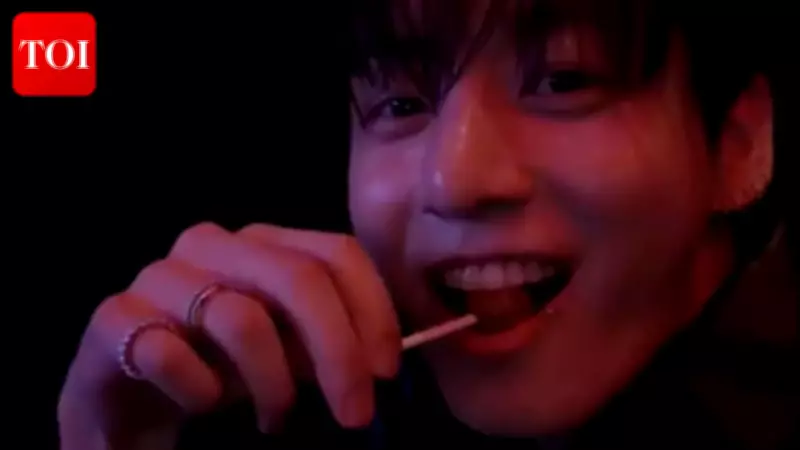
In a startling turn of events this week, BTS member Jungkook sent shockwaves across social media platforms with a now-deleted late-night livestream that has been widely described as a 'drunken' broadcast. The video, which rapidly went viral, featured the global superstar speaking with unprecedented candor about deeply personal struggles, including his battle to quit smoking and frustrations with his management company. However, it was a chilling detail revealed through a fan translation that has ignited widespread alarm and outrage among his devoted fanbase, known as ARMY.
Death Threats Revealed: Jungkook's Disturbing Admission
The livestream, initially circulated for its raw and unfiltered nature, took a dark turn when a Korean-to-English translation uncovered Jungkook referencing individuals who "want to kill" him. In the widely shared clip, the singer stated, "Honestly, there must be a lot of people who don’t support me and don’t like me and want to belittle me…and people who want to kill me. There must be a lot of people who hate me. But so what? I don’t care." This admission has raised serious questions about the singer's safety and the prevalence of death threats in the high-pressure world of K-pop.
Despite the gravity of this revelation, neither Jungkook nor his record label, HYBE Corporation, has issued an official statement regarding the incident or the alleged threats. The video itself has been removed from platforms, adding to the mystery and concern surrounding the broadcast.

Fan Outrage Over Media Coverage Priorities
The response from fans has been one of intense frustration and anger, directed primarily at Korean media outlets for their perceived mishandling of the situation. Many fans have criticized reports for focusing excessively on Jungkook's smoking habits, drinking, use of profanity, and rumored love life, while seemingly ignoring the more serious issue of potential death threats.
Social media platforms have been flooded with reactions from concerned supporters. One fan expressed disbelief, writing, "I couldn't check the full LIVE yet, but WTF IS THIS?? #Jungkook is getting death threats but KOREAN MEDIA chose to cover useless points of smoking and dating instead! Is death threat so normalized in kpop now?" Another added, "this korean man translated what jungkook said here and I’m shocked.. 'people who want to kill me', he’s getting death threats??? oh my god... I’m speechless."
A third fan lamented, "jungkook getting death threats he opened up about it to us but those koreans and k-media focused on his drinking, smoking and cussing habits which is a normal thing everyone does instead of trying to protect him. my heart breaks for him." This collective outcry highlights a growing tension between celebrity privacy, media responsibility, and fan protection in the digital age.
Jungkook's Candid Confessions on Fame and Personal Struggles
Beyond the alarming death threat references, the livestream served as a rare glimpse into the immense pressures faced by one of the world's biggest pop stars. Jungkook openly discussed the burdens of fame, emphasizing his humanity and desire for authenticity. He told viewers, "I'm human too. I just want to enjoy myself… I wanted to be honest with ARMYs."
On the topic of smoking, the singer admitted, "I want to talk about smoking," before revealing, "I'm thirty now. I smoked a lot. I tried really hard to quit." He further explained that his comments were made "out of frustration" and without prior consultation with his company, suggesting possible tensions behind the scenes regarding his public image and personal disclosures.
The Broader Implications for K-pop and Celebrity Culture
This incident underscores the intense scrutiny and psychological toll experienced by K-pop idols, who often navigate a landscape of extreme fame, relentless media attention, and toxic fan interactions. Jungkook's willingness to speak openly about such vulnerabilities, albeit in a controversial setting, has sparked broader conversations about mental health, safety, and the ethics of entertainment journalism.

As the story continues to unfold without official commentary, fans worldwide are left grappling with concerns for Jungkook's well-being while demanding more responsible reporting from media entities. The episode serves as a poignant reminder of the complex realities behind the glamorous facade of global stardom.