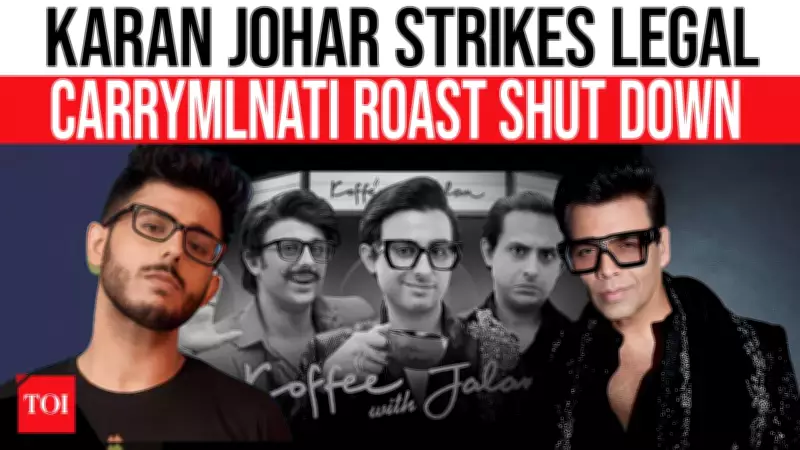
Karan Johar Secures Court Order Against CarryMinati in Defamation Dispute
In a notable legal development within the entertainment industry, prominent Bollywood filmmaker and talk show host Karan Johar has obtained temporary relief from the court against popular YouTuber CarryMinati. The case centers on a parody video created by CarryMinati that allegedly mocks Johar's talk show format, with Johar claiming it caused significant reputational harm and damage to his dignity.
Court Directs Takedown and Issues John Doe Order
The court has not only ordered the immediate removal of the disputed content from digital platforms but has also issued John Doe directions. This legal measure is designed to prevent the re-upload or dissemination of the video under any other names or accounts, effectively blocking attempts to circumvent the takedown. The order represents a proactive step to enforce the ruling and protect Johar's interests in the digital space.
Johar's legal team has emphasized that this action was necessary to safeguard his reputation and personal dignity, arguing that the parody crossed legal boundaries into defamation. They contend that while creative expression is valued, it must not infringe on an individual's right to protection from harmful falsehoods or malicious mockery.

Online Debate Erupts Over Creative Freedom and Roast Culture
The case has sparked widespread conversations across social media and online forums, highlighting a clash between creative freedom and legal limits. Supporters of CarryMinati and similar content creators argue that roast culture and satire are essential forms of digital expression, often used to critique public figures in a humorous manner. They express concern that such legal actions could stifle creativity and set a precedent for censorship in the online entertainment sphere.
Conversely, advocates for stricter defamation laws point to the potential for reputational damage and emotional distress caused by viral parody videos. They stress the importance of balancing free speech with accountability, especially in an era where digital content can reach millions instantly. This debate touches on broader issues of how satire is perceived legally and socially in India's evolving media landscape.
Background and Implications for Digital Content
CarryMinati, known for his comedic roasts and commentary on pop culture, has a massive following, making this case particularly high-profile. The video in question reportedly parodied Johar's talk show style, which is a staple of Indian television, leading to allegations that it misrepresented his professional work and personal character.
This incident underscores the growing legal challenges faced by digital creators as online content becomes more influential. It raises questions about the boundaries of parody, the definition of defamation in the digital age, and the role of courts in mediating such disputes. Industry observers note that similar cases could emerge as more celebrities and influencers seek legal recourse against perceived online harms.
The temporary nature of the court order suggests that further hearings may be scheduled to determine a final resolution. Both parties are expected to present additional arguments, potentially shaping future legal standards for digital satire and defamation in India. As the case progresses, it will likely continue to fuel discussions on the intersection of law, entertainment, and internet culture.