Karan Johar Announces Digital Detox, Igniting Broader Conversation on Screen Addiction
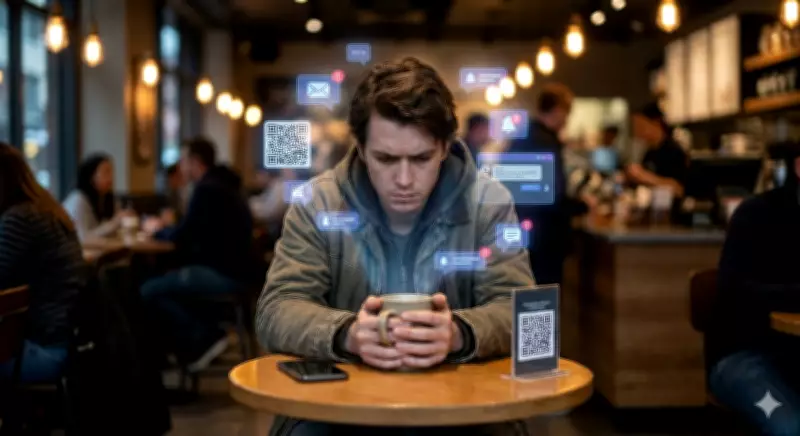
Renowned filmmaker Karan Johar recently made a significant announcement on his Instagram story, declaring his intention to embark on a week-long digital detox. In his post, he emphatically wrote, "Digital Detox for a week ! No doom scrolling! No DMs! No posts! May the universe give me the strength to stay away!!!!" This candid revelation resonated deeply with many, reflecting a common desire that most people contemplate regularly but often struggle to implement in their daily lives.
The Celebrity Trend of Digital Disconnection
Karan Johar is not alone in this endeavor. Previously, other prominent celebrities including Hrithik Roshan, Aamir Khan, and Esha Gupta have been vocal about their own experiences with digital detoxes. They have openly discussed the considerable challenges that come with disengaging from our screens in an era where digital connectivity is omnipresent. For the average individual, escaping the relentless cycle of doomscrolling often feels like it requires herculean strength and unwavering discipline.
The Pervasive Nature of Digital Dependence
Our contemporary existence is intricately woven with digital interfaces. We are surrounded by:

- Digital menus at restaurants
- Ride-booking applications for transportation
- Online check-in systems for work and travel
- Food ordering platforms for daily sustenance
Most aspects of our lives revolve around the habitual use of our smartphones. Experienced scrollers understand all too well how a simple task like "just ordering lunch" can swiftly devolve into two hours of unproductive time lost on various social media platforms. The architecture of these applications, with their scroll-friendly navigation and endless content streams, is deliberately designed to keep users engaged and scrolling indefinitely.
The Temporary Nature of Digital Detoxes
As one observer noted, 'The detox is always temporary.' This statement captures a fundamental contradiction in our relationship with technology. Despite our best intentions, we often find ourselves pulled back into digital habits, sometimes with even greater intensity than before. The memes continue to proliferate, and the allure of the screen remains potent, making sustained disconnection a formidable challenge.
Imagining an Analog Alternative
If one were to envision an alternate universe where a complete digital detox was genuinely feasible, how would we occupy our time? In an ideal scenario, it would compel us to embrace authentic analog living—not merely for aesthetic purposes but as a substantive lifestyle shift. This return to analog existence would feel almost like being transported back in time. What once seemed dystopian has now become our everyday reality, particularly with the integration of artificial intelligence into our mobile devices.
Perhaps the concept of a digital detox was never truly about deleting applications or physically locking away our phones. Instead, it might represent a deeper yearning for mindful engagement with technology.
Personal Experiences with Screen Time Struggles
Student Hiba Ahmed shared her personal relationship with social media, stating, "Despite having awareness about screen time, my basic human addiction tendencies nearly always take over and I end up doomscrolling slop for hours while the intention to cut down my usage is always there." She highlighted the cyclical nature of this struggle, where temporary detoxes often lead to a stronger re-immersion into digital habits. Hiba remains hopeful that someday she will cultivate the discipline to reduce her usage permanently, but acknowledges that for now, it is a process of trial and error.

The Embedded Systems of Modern Life
The systems of digital convenience are now so deeply embedded in our infrastructure that they are no longer luxuries but essential components of daily functioning. This is especially true for professionals working in technology-related fields. Sadain Samir Khan, an AI engineer based in Noida, explained, "Social media can become quite overwhelming at times. I routinely take a step back to reset and relax. It's almost meditative to stay out of touch with most people, remaining in touch only with close friends and family. But as Gen Z often does, I log in to another account just to catch up sometimes! A digital detox in our times can barely be a social media detox. It's a lot of trial and error to see what works for each individual."
Expert Insights on Intentional Technology Use
Clinical psychologist Aakanksha Verma offered a nuanced perspective on this issue. She noted that in a world where groceries, job applications, banking, and basic communication all require a smartphone, the notion of a "complete detox" becomes increasingly unrealistic. Instead, she suggested that the objective might not be to sever all connections entirely, but to cultivate intentionality in our technological engagements. "Maybe the goal isn’t cutting off entirely, but being intentional about what you use tech for and what you don't," Verma emphasized. This approach encourages a balanced and mindful relationship with digital tools, focusing on purposeful usage rather than absolute abstinence.