Kesha Demands Trump Team Stop Using Her Music in Political Video
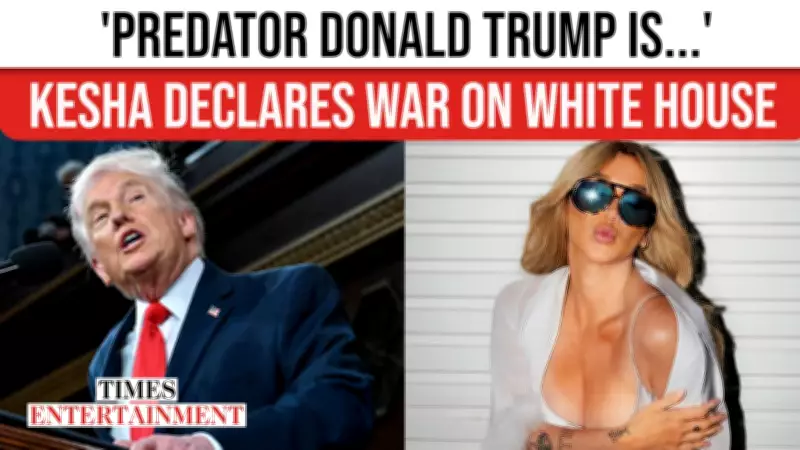
In a striking development, pop star Kesha has publicly called out the White House for using her music without permission in a politically charged video. The incident occurred on February 10, when a post from the White House featured a dramatic video titled "Lethality" that included Kesha's music, showing a jet launching a missile at an apparent enemy ship. Kesha's objection marks her entry into the ongoing battle over the unauthorized use of artists' songs in political contexts.
Growing List of Artists Protesting Political Use of Music
Kesha is not alone in this fight. She joins a growing roster of musicians and estates who have pushed back against Donald Trump and the MAGA movement for using their songs at rallies and in campaign-style content. Notable names include Olivia Rodrigo, The Rolling Stones, Celine Dion, Radiohead, Sabrina Carpenter, and the estate of Isaac Hayes. These artists argue that such use misrepresents their artistic intent and violates their rights, often leading to public disputes and legal challenges.
The video in question, "Lethality," was shared by the White House and used Kesha's music to underscore a military-themed message. Kesha has since demanded that the Trump team cease using her work, emphasizing that she does not endorse the political messaging associated with it. This move highlights the tension between artists and political entities over copyright and ethical use of creative content.

Impact on the Music and Political Landscape
This incident underscores a broader trend where artists are increasingly vocal about protecting their music from political exploitation. The use of popular songs in political campaigns or government content can amplify messages but often without the artists' consent, leading to backlash and public relations issues. Kesha's protest adds to the momentum of artists asserting control over how their work is used in divisive political arenas.
Experts note that such disputes can influence public perception and potentially affect voter sentiment, as music carries emotional weight and cultural significance. The White House has not yet responded to Kesha's demands, but the situation is being closely watched by both the entertainment and political communities. As more artists speak out, it may prompt stricter guidelines or legal reforms regarding the use of copyrighted music in political settings.
In summary, Kesha's objection to the White House using her music in the "Lethality" video is part of a larger movement of artists resisting the unauthorized political use of their songs. This case highlights ongoing conflicts between creative expression and political messaging, with implications for copyright law and ethical practices in media.