The Enduring Influence of Mani Shankar Mukherjee on Bengali Cinema
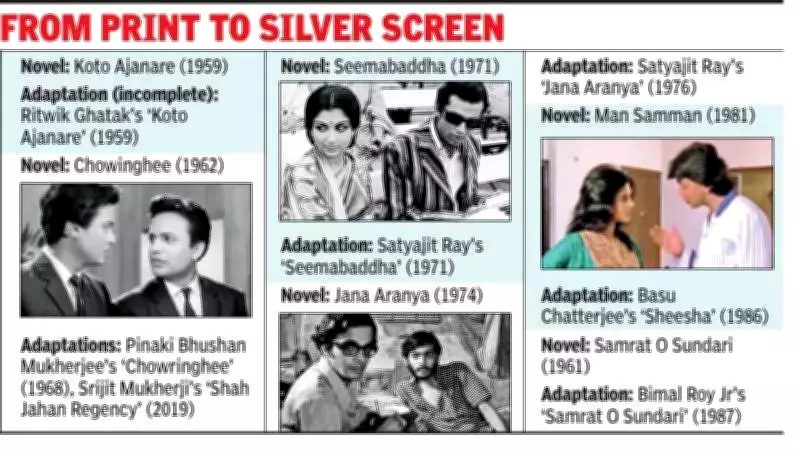
In a memorable moment from 1968, the iconic actor Uttam Kumar sat beside author Mani Shankar Mukherjee during the first screening of Pinaki Bhushan Mukherjee's film adaptation of 'Chowringhee'. As the lights came up, Shankar turned to the matinee idol and remarked that his performance surpassed the character of Sata Bose as he had envisioned on the page. When Uttam Kumar requested this compliment in writing, Shankar laughed it off, asserting that an author's approval was unnecessary because audiences would form their own judgments. This anecdote encapsulates Shankar's lightly worn authority—both affectionate and unsentimental—which defined his relationships with the cinematic greats of his time.
A Unique Approach to Adaptation and Character Development
Shankar's influence extended to directors like Satyajit Ray, Ritwik Ghatak, Basu Chatterjee, and Bimal Roy Jr., among others. His writing was characterized by detailed research and a pictorial style that brought layered characters to life. He resisted the notion of the possessive author, famously comparing adaptation to giving a daughter away in marriage: once the work left his hands, it had to find its own independent existence. This philosophy allowed his stories to thrive in new mediums, even when his first cinematic adaptation, Ghatak's attempt to film 'Koto Ajanare' in 1959, was abandoned due to financial constraints after just 20 days of shooting.
Collaborations with Satyajit Ray and Other Filmmakers
Satyajit Ray adapted two of Shankar's novels, showcasing different approaches to the source material. In 'Seemabaddha' (1971), Ray retained the broad structure but exercised decisive creative freedom, while in 'Jana Aranya', he adhered more closely to the novel's line and texture. Barun Chanda, who portrayed Shyamalendu in 'Seemabaddha' and is also a writer, highlighted how Ray found in Shankar the corporate narrative he sought. Chanda explained, "Manik-da's only film set in the corporate world was 'Seemabaddha'. In the novel, my sister-in-law's character is largely decorative, but Manik-da transformed Sudarshana, giving her depth and purpose that made her the hero's private conscience. The film's opening and ending were entirely different from Shankar's original."

The Cinematic Appeal of Shankar's Layered Characters
Arunava Sinha, translator of 'Chowringhee', noted that Shankar's characters naturally suited cinema due to their complexity and inner conflicts. He captured the struggles of successful individuals, where ambition clashed with personal morality. Sinha stated, "Not just Sata Bose in 'Chowringhee', there is Shyamalendu Chatterjee in 'Seemabaddha' and Somnath in 'Jana Aranya'. Shyamalendu is a bright corporate star battling inner turmoil, while Somnath exemplifies the moral dilemmas faced by people in the 1970s just to survive." This admiration for his characters, which became cult figures on screen, was shared by readers and filmmakers alike.
Legacy and Tributes from the Film Industry
Following Shankar's passing, director Srijit Mukherji expressed heartfelt gratitude on social media, thanking the author for making him fall in love with Kolkata through his novels. Mukherji wrote, "May you have a smooth check-out and thank you for a memorable stay, along with the memories and characters you created." This tribute underscores the lasting impact of Shankar's work, which continues to resonate with audiences and artists, cementing his legacy as a pivotal figure in Bengali literature and cinema.