Manipur Filmmaker Lakshmipriya Devi Reflects on BAFTA Win and Boong's Impact
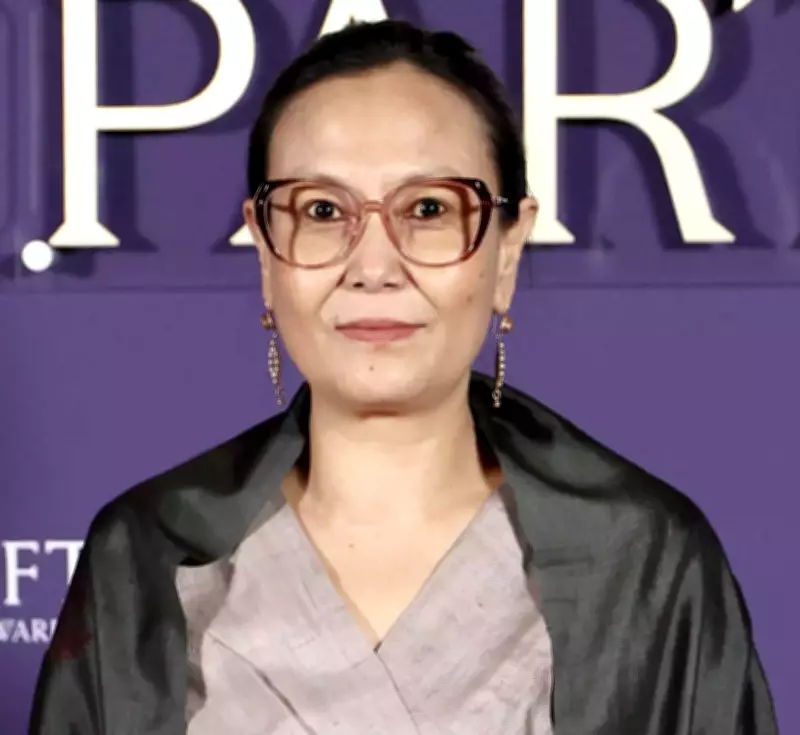
Lakshmipriya Devi wears her recent BAFTA win with the same disarming simplicity that characterizes her debut feature film, Boong. The movie, which follows a schoolboy's search for his missing father, wrapped production just weeks before ethnic clashes erupted in Manipur. In an interview, Devi opens up about crafting the story through the eyes of her ten-year-old self and the profound joy of creating something meaningful for her home state.
Hometown Joy and a Legacy of Storytelling
What has been the response to the win, especially in your hometown in Manipur?
"It has brought immense joy, and people are eagerly lining up at theaters," Devi shares. "I'm particularly excited for the audience in Moreh to see it. Manipuri and Assamese films like Ishanou (1990) and Imagi Ningthem (1981) have previously graced major festivals. Both were written by my aunt, Binodini Devi, whom I greatly admired. She often told me, 'You never do anything for Manipur.' I wish she were alive today to see that I finally have."

The Plight of Internally Displaced Children
In your speech, you mentioned 'internally displaced children, including the child actors in the film.' How have they been affected?
"Every displaced child is struggling profoundly," Devi explains. "Akhu (Chingangbam), our music director and line producer, works with children in camps, using music to help them cope with trauma. Imagine being uprooted and crammed into a small hall with sixty others—especially as a child. Gugun, who plays Boong, has been deeply affected; he may never return home, and that trauma lingers."
She adds that while larger tensions subtly seep into the film through words like 'go back' or 'foreigner,' it's incidental. "Children absorb what they see around them. They can play in their courtyard while chaos unfolds outside, yet their world remains their own. They're also the first to apologize. This layer isn't meant to highlight tensions but reflects reality. As I age, humor has become my retreat and protection."
Fostering Dialogue and Hope
Do you hope the film will open up conversations?
"During last year's limited release, people from Kuki and Meitei communities sat together, watched the film, and laughed," Devi recalls. "Seeing photos and videos of that filled me with happiness. It was a significant first step. I hope watching the film can inspire hope that unity is possible, though perhaps that's asking too much. For me, it's vital that a filmmaker has a voice; otherwise, what's the point?"
You ended your speech by saying, 'no conflict should be formidable enough to destroy our superpower—forgiveness.' In Manipur today, what does forgiveness look like?
"It must begin personally, within the four walls of a home," Devi asserts. "If your foundation isn't strong, external factors—neighbors, friends, political leaders—can easily sway you."
Storytelling Through a Child's Eyes
What made you feel this story needed to be seen through a child's perspective?
"I adore children's stories; they're full of fun and fantasy and have always cushioned me," Devi says. "I told this story as my ten-year-old self, drawing from my experiences. It's loosely inspired by my grandfather, who yearned for his father in exile in Myanmar. Boong symbolizes all those left behind. Many films today aren't suitable for children due to violence or messaging. I hope this encourages more women and children's storytelling in the genre."
The friendship between Boong and his Marwari best friend Raju gives the film its rhythm...
"I started casting child actors even before the film was greenlit," Devi explains. "Post-Covid, when I revisited them, they'd grown into 'uncles and aunties,' so I restarted the process. Meeting Gugun in 2021, I knew immediately he was perfect—his cheekiness shone through. He said, 'I can't audition; I don't speak Meitei.' I loved that. We bonded, and he showed me how to use a nauri (slingshot). In the film, the hand sign pays tribute to Manipur's Sangai, the nearly extinct brow-antlered deer. Raju, too, is a genuine Manipuri boy who speaks Hindi."

Messages for a Global Audience
When someone outside Manipur watches the film, what do you hope stays with them?
"I want them to remember closure and new beginnings," Devi emphasizes. "This theme resonates deeply with me. Whether in bad marriages or friendships, it's about moving on."
Transition from Bollywood to Local Filmmaking
You spent years as an assistant director on big Bollywood productions like PK and Rang De Basanti. With Boong, what was it like to shift to something so small and community-rooted?
"It was exactly how I always wanted to work," Devi reveals. "On large sets, I'd feel claustrophobic wondering why so many people were needed. Here, I could keep everything simple—the story, execution, and workflow—free from unnecessary Bollywood requirements. It was about pep-talking myself to realize my vision."
Inspirations and Future Directions
What films or filmmakers have inspired your love for cinema?
"Akira Kurosawa has been a huge influence," Devi notes. "More than his films, his interviews and advice to assistants resonate. He says all you need is a pen and paper, and when climbing a mountain, focus on one step at a time, not the summit."
Now that the global spotlight has found you, has it changed your plans?
"Not at all," Devi laughs. "I made this film with zero expectations; the win is a bonus. When congratulated, I ask, 'Do you have a first AD job for me?' I'll always approach a set as if it's my first time."