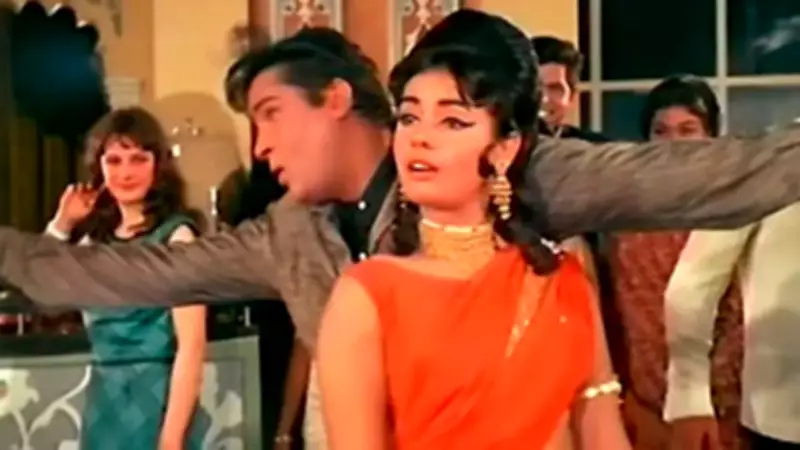
Mumtaz's Surprising Exit from Bollywood at the Height of Her Fame
In the vibrant 1970s, Mumtaz stood as one of Hindi cinema's most beloved leading ladies, captivating audiences with blockbuster hits like Tere Mere Sapne and Roti. However, at the pinnacle of her success, she stunned the film industry by stepping away from acting entirely after her marriage to businessman Mayur Madhvani in 1974. In a recent candid interview, the legendary actress has finally shed light on the profound reasons behind this life-altering choice.
Family Traditions and Orthodox Upbringing
Mumtaz revealed that her conservative Irani family background played a decisive role in her retirement. "I come from an orthodox Irani family, so my father believed that a girl should get married after a certain age, and not keep working till 40 or 50," she explained in conversation with Sandeep Kocchar. Her mother and relatives strongly advocated for marriage, particularly since the Madhvani family had been neighbors since Mumtaz was just seven or eight years old.
"My mother approved of them because she knew them well and believed I would be happy in that family," Mumtaz shared. "She told me not to continue in films and said they were good, cultured people who would keep me happy. I knew my family very well and always listened to them, so I married Mayur."

Practical Considerations and Husband's Support
The actress further elaborated on practical aspects, noting that her husband was settled abroad with a prosperous family business. "My husband didn't live in India; he was studying in England. His family had businesses in Uganda and were quite well-to-do people." Despite her personal desire to continue acting, Mumtaz chose to honor her family's traditional values. "If you had asked me, I would have wanted to work a little longer. But my family is very traditional and believed that a girl should marry after a certain age, so I agreed."
Remarkably, Mayur Madhvani demonstrated exceptional patience, waiting two years while Mumtaz fulfilled her professional obligations. "I returned the signing amounts for the films I had committed to, and I completed the shoots that were pending. My husband waited for two years so that I could wrap up all my films."
Past Relationship with Shammi Kapoor and Career Ambitions
Mumtaz also addressed her previous association with Shammi Kapoor and why marriage didn't materialize. "The issue was that I was too young. I didn't mind marriage, but Papaji (Prithviraj Kapoor) was a wonderful man, and his rule was that the daughter-in-law of the house would not work after marriage," she disclosed. Even Geeta Bali had ceased working post-marriage, setting a precedent.
"When they said I couldn't work, I felt I was still young and had ambitions. I wanted to work and achieve something, so I refused," Mumtaz stated, highlighting her determination to pursue her career at that time.
Contrasting Generational Attitudes
Reflecting on evolving social norms, Mumtaz observed significant shifts in relationship dynamics. "In our time, girls didn't start affairs so easily. Today, women openly express love for good-looking men, so those men are very happy, they have many options now." Her own upbringing was markedly stricter, with constant supervision during film shoots. "I was never allowed to go alone for outdoor shoots, my grandmother, aunt or mother would always accompany me. They felt a girl travelling alone could face problems. I never travelled alone."
This protective environment extended to her early marriage, driven by concerns about societal perception. "I was married early because they believed if you don't marry in time, people might think wrongly." Even today, Mumtaz maintains conservative views, clashing with her daughter Natasha over modern practices like sleepovers for her granddaughter. "My daughter Natasha allows her daughter to go for sleepovers, but I don't agree because I was never allowed to stay at anyone's house. I still argue with Natasha about this."

Mumtaz's revelations provide a fascinating glimpse into the intersection of Bollywood stardom and traditional family values during a transformative era in Indian cinema.