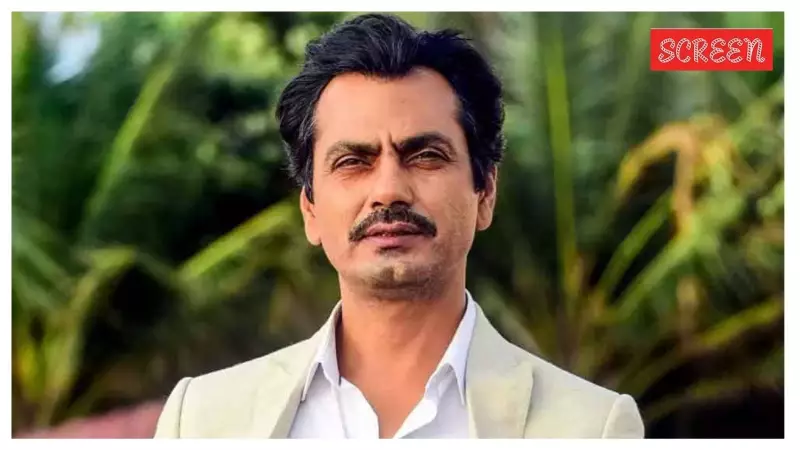
In a candid and revealing conversation, acclaimed actor Nawazuddin Siddiqui has issued a stark warning about the precarious state of independent cinema in India, labeling its current isolation as "dangerous." The actor, known for his powerful performances in both mainstream and offbeat projects, expressed deep concern over the fate of critically acclaimed films like Payal Kapadia's All We Imagine As Light, which he revealed was pulled from Indian theatres within just four days of its release.
Returning to a Familiar Role with Fresh Challenges
Siddiqui, in an exclusive interview given from Mumbai on December 24, 2025, opened up about his rare decision to reprise a character in the new whodunit Raat Akeli Hai: The Bansal Murders. Directed by Honey Trehan, this marks only the third time the actor has returned to a previous role, following the iconic Gangs of Wasseypur and Netflix's Sacred Games.
He plays investigating officer Jatil Yadav once again, a character first introduced in the 2020 film. However, Siddiqui was quick to dismiss the idea that returning to a familiar role is effortless. "It's better if it takes effort," he stated, explaining that approaching a sequel with a sense of complacency can lead to failure. He emphasized that while the character's core remains, the new film presents a layered case delving into class disparities, demanding a fresh perspective.

The actor heaped praise on writer Smita Singh, who also co-wrote Sacred Games, for crafting dialogues with a natural rhythm that are easy for an actor to internalize and deliver. "Once you learn the dialogues, they're a lot of fun to mouth because of that connection and rhythm," Siddiqui noted.
Sharing the Screen with Powerhouse Performers
The sequel boasts a formidable ensemble cast. Alongside returning actors Radhika Apte and Ila Arun, the film features new additions including Chitrangada Singh, Rajat Kapoor, Sanjay Kapoor, and two legendary actresses: Revathy and Deepti Naval.
Siddiqui admitted to being on his toes while working with the seasoned performers. He recounted watching Revathy's performance become "more real take by take," as she infused her character with unscripted nuances that ultimately transformed her completely on screen. "It was a great learning curve for me," he recalled.
He was equally effusive about Deepti Naval, who plays a scheming spiritual guru—a role against her typical typecast. Siddiqui, with a laugh, referred to her as "Guruma" and described the haunting effect of her delivering a chilling line like "Nawaz, iski gardan kaat do" with immense love in her voice.
The Perilous Plight of Independent Indian Cinema
The conversation took a serious turn as Siddiqui, a staunch supporter of indie films, lamented the severe crisis facing the sector. He pointed to the recent example of Kanu Behl's critically praised film Agra, which struggled to secure screens as it clashed with the mainstream Ajay Devgn-starrer De De Pyaar De 2.
He nostalgically recalled the early days of streaming in India, which provided a reliable platform for such content. "One can only hope that time comes back. There are only a few films that have kept cinema alive," he argued. Siddiqui challenged the notion that films must be commercially viable through massive marketing, comparing it to a beloved restaurant that thrives on quality, not promotion.
His most poignant example was Payal Kapadia's All We Imagine As Light (2024). The film, which earned India a prestigious spot in the Cannes Film Festival Competition after decades and won an award, met a dismal fate in its home country. "We can't imagine how many people around the world would've watched it. But once it released in India, it was thrown out of theatres after four days!" Siddiqui declared this practice of sidelining indie films as the root of the danger.

He concluded by asserting that independent cinema is not only crucial for international recognition but also serves an aspirational need for an audience tired of being underestimated. "Not all audience members are dumb. The dumbest of dumb, including someone like me, wants to progress," Siddiqui said, expressing his own desire to watch content that challenges the mind, breaking free from the lethargy induced by formulaic commercial fare.