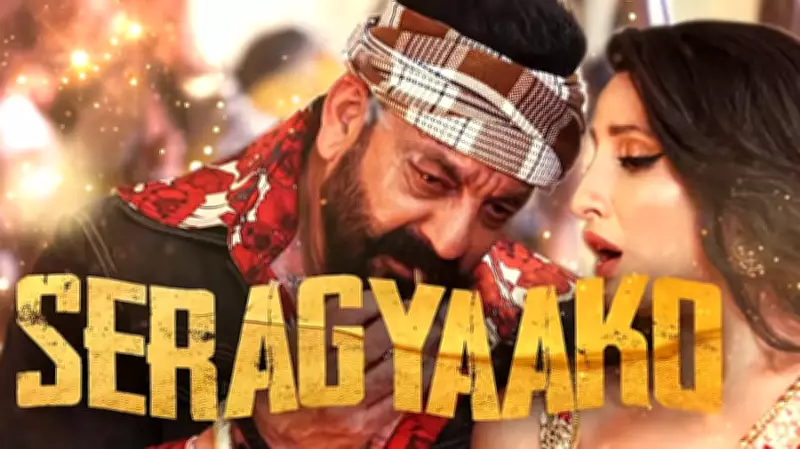
NCW Issues Summons to Bollywood Stars Over Contentious Song
The National Commission for Women (NCW) has taken a firm stance by summoning prominent Bollywood figures, including actors Nora Fatehi and Sanjay Dutt, along with lyricist Raqueeb Alam. The commission has directed them to appear in person on March 24, 2025, to address concerns related to a controversial song featured in the recent film 'Crakk'. This move underscores the NCW's commitment to scrutinizing media content that may potentially objectify or demean women, reflecting broader societal calls for responsible entertainment.
Details of the Summons and Allegations
The summons were issued following complaints received by the NCW regarding the song's lyrics and visual portrayal, which some groups argue perpetuate harmful stereotypes against women. Nora Fatehi, known for her dynamic dance performances, and Sanjay Dutt, a veteran actor with a massive fan following, are key figures in the film's promotional material. Lyricist Raqueeb Alam, who penned the song, is also under scrutiny for the content of his work. The NCW's action highlights an increasing trend of regulatory bodies intervening in creative industries to ensure alignment with ethical standards and gender sensitivity.
Background of the Film 'Crakk' and Public Reaction
'Crakk' is a sports drama that has garnered attention for its high-energy sequences and star cast. However, the song in question has sparked debates on social media and among advocacy groups, leading to the NCW's involvement. Public reaction has been mixed, with some defending artistic freedom while others support the commission's efforts to hold creators accountable. This incident adds to ongoing discussions about the balance between creative expression and social responsibility in Indian cinema, particularly in an era where digital platforms amplify content reach.

Implications for the Entertainment Industry
The summons could set a precedent for how similar cases are handled in the future, potentially influencing content creation norms in Bollywood. It raises questions about the role of regulatory commissions in media oversight and the potential legal ramifications for artists. As the March 24 appearance date approaches, stakeholders in the entertainment sector are closely monitoring developments, which may lead to revised guidelines or increased self-regulation to avoid such controversies. This event serves as a reminder of the evolving landscape where public sentiment and institutional actions shape artistic outputs.